SEARCH


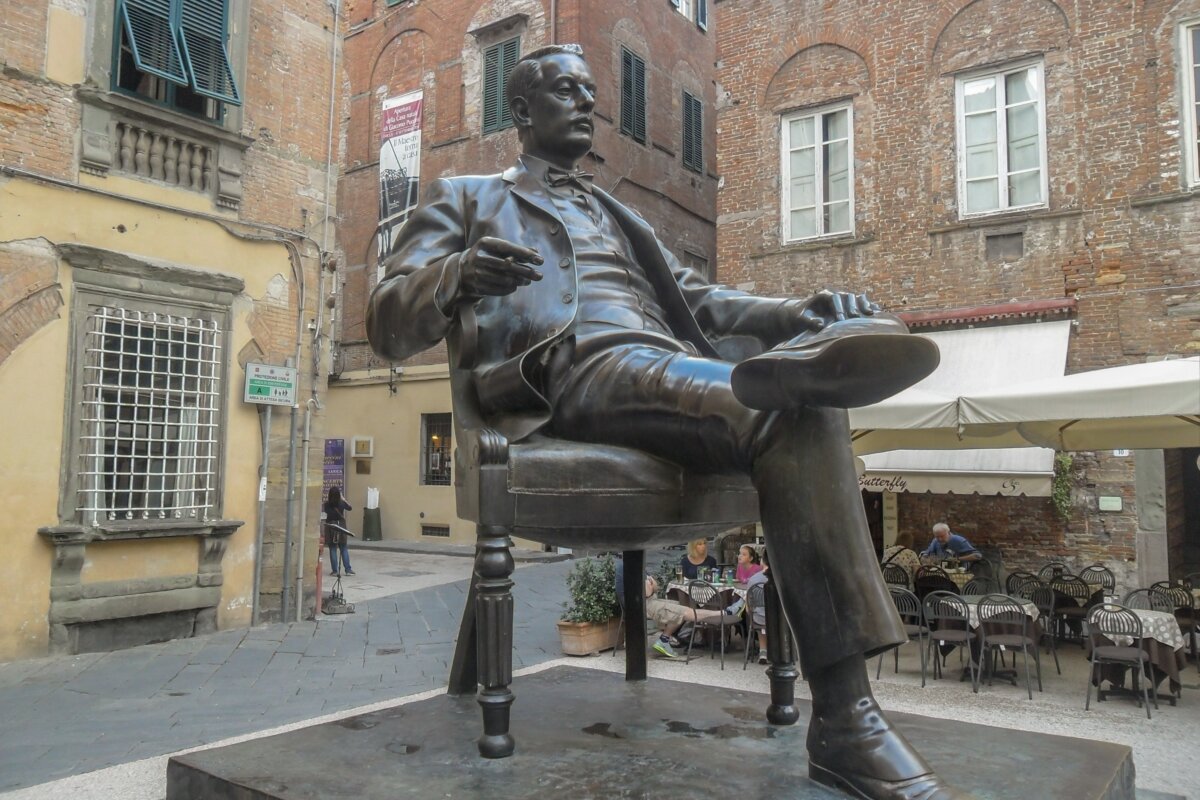
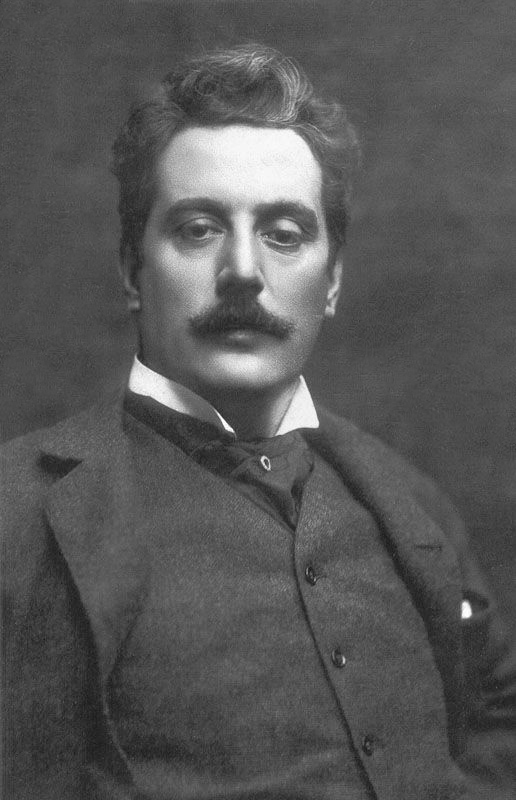
In the 1910s, the great Italian opera composer Giacomo Puccini began working on a group of one-act operas to be performed on the same night. These are known as “The Triptych” (“Il Trittico”).
He originally envisioned it as a double bill of a tragedy and a comedy. During the yearslong process of development, he eventually decided to round out the group with a third story, which would be either mystical or religious, and end up with a religious narrative.
After a long search for the right source material, a compelling adaptation, and the right librettist, Puccini got down to the business of creating the soul-stirring music which made and keeps him famous.
Ultimately, the tragedy was “The Cloak” (“Il Tabarro”), the religious story was “Sister Angelica” (“Suor Angelica”), and the comedy was “Gianni Schicchi.”
‘Suor Angelica’
“Suor Angelica” fared badly in early reviews and was the first opera to be cut when the trio was turned into a duo. However, “Suor Angelica” is now perhaps the most frequently performed, at least at the regional opera level, because of its unique cast.
The cast has 9 female soloist roles and no men besides the option for male voices in an offstage chorus. This opera presents an easy solution to the eternal problem of not enough male singers for the numerous roles and not enough roles for the numerous female singers.
Although it was the last added to the concept of “Il Trittico,” “Suor Angelica” ended up being Puccini’s personal favorite. While it, too, ends in death, this opera is a story of religious redemption instead of stark tragedy.
The opera takes place in a convent near Siena in the late 17th century. The libretto was written by Giovacchino Forzano, based on a story of his own invention. Some of the Latin liturgical texts were written by Puccini’s priest friend Don Pietro Panchielli.
“Suor Angelica” sets the scene by showing life for the nuns at an Italian convent, from hymns to penance to chores. When the nuns begin confiding their worldly desires, Angelica (a soprano) claims she has none, yet her sisters believe that she longs for news from her wealthy family.
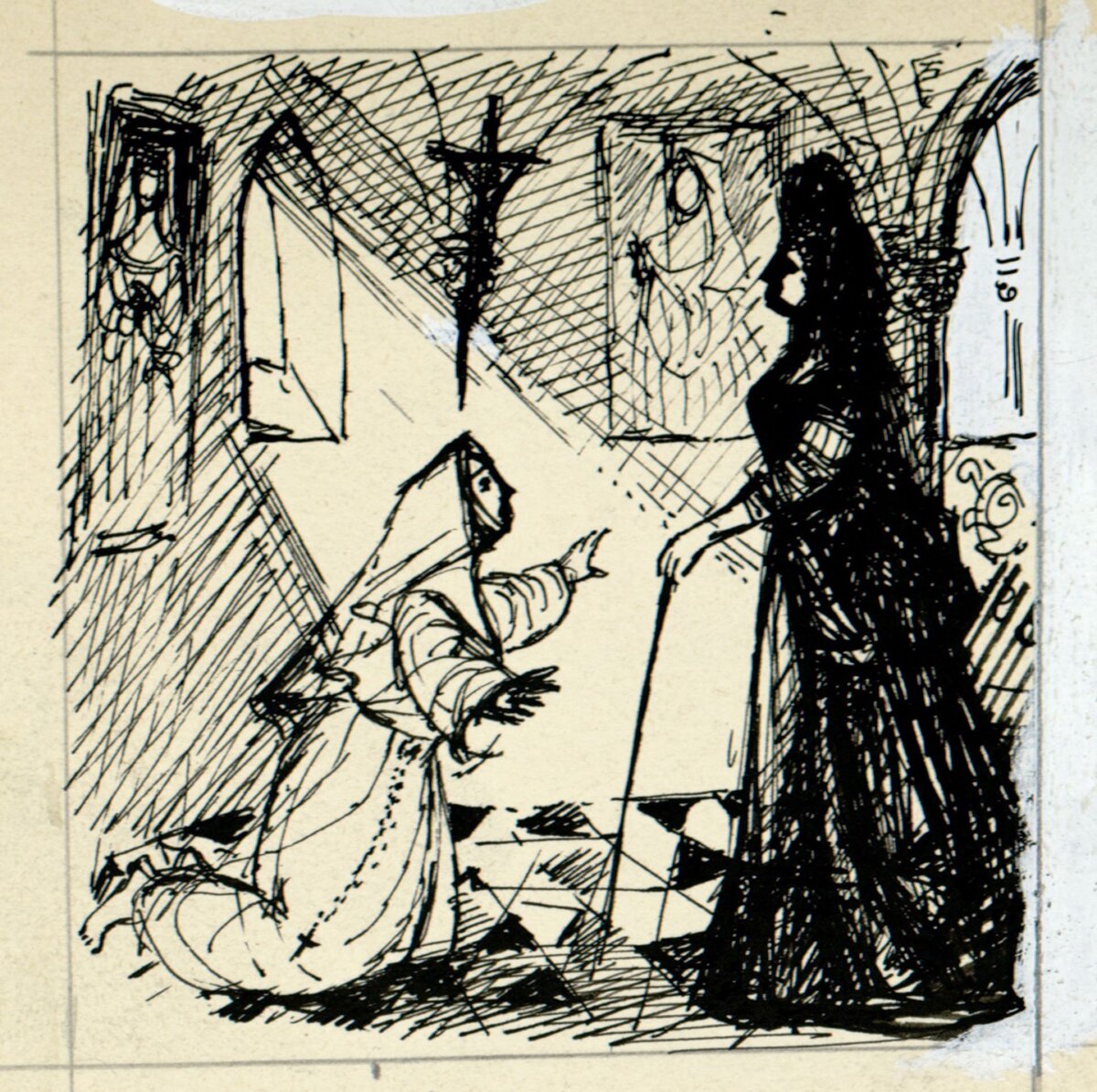
Shortly after, a lavish carriage arrives with the Princess (a contralto), Angelica’s aunt. The harsh woman has been Angelica’s guardian for 20 years. She now demands that her niece sign over her inheritance to her sister, who is about to be married.
Dark Secret
It is revealed that Angelica was sent to the convent as punishment for bearing an illegitimate son seven years before. When the Princess reveals that Angelica’s son died two years ago, the grief-stricken mother signs away her inheritance.
Once alone, Angelica is overcome by a vision that her son is calling her from heaven, so she takes poison to join him. When she realizes that suicide is a mortal sin, she begs the Virgin Mary for forgiveness, and the Blessed Mother welcomes her into heaven to meet her son.
“Suor Angelica” features arias for its two leading ladies which are noteworthy, the Princess’s harsh “In the Silence” (“Nel Silenzio”) and Angelica’s heartbreaking “Without Mamma” (“Senza mamma”), both of which can be performed in concert.
This opera can be divided into separate numbers more than the other two operas in “Il Trittico.” The score alternates between solemn liturgical music and Puccini’s customary sweeping melodrama.
To ensure the authenticity of his sacred passages, Puccini visited the convent of Vicopelago, where his sister was mother superior. There, he tested some of the music on the usually enclosed order of nuns; they were apparently deeply moved by it.
To fit its classic, sacred setting, the music of this opera is very traditional, including many ancient Latin prayers. The church bells replace foghorns to set the musical scene. “Suor Angelica” was a favorite of Puccini’s because it was one of the only times he wrote his long-cherished idea of a pastoral work.
As a portrait of pastoral female devotion among stories of stark tragedy and outrageous comedy, it’s no wonder that “Suor Angelica” is one of Puccini’s most beloved operas.
Read about Puccini’s other one-act operas in this series: “Il Tabarro” and “Gianni Schicchi.”
What arts and culture topics would you like us to cover? Please email ideas or feedback to features@epochtimes.nyc