SEARCH


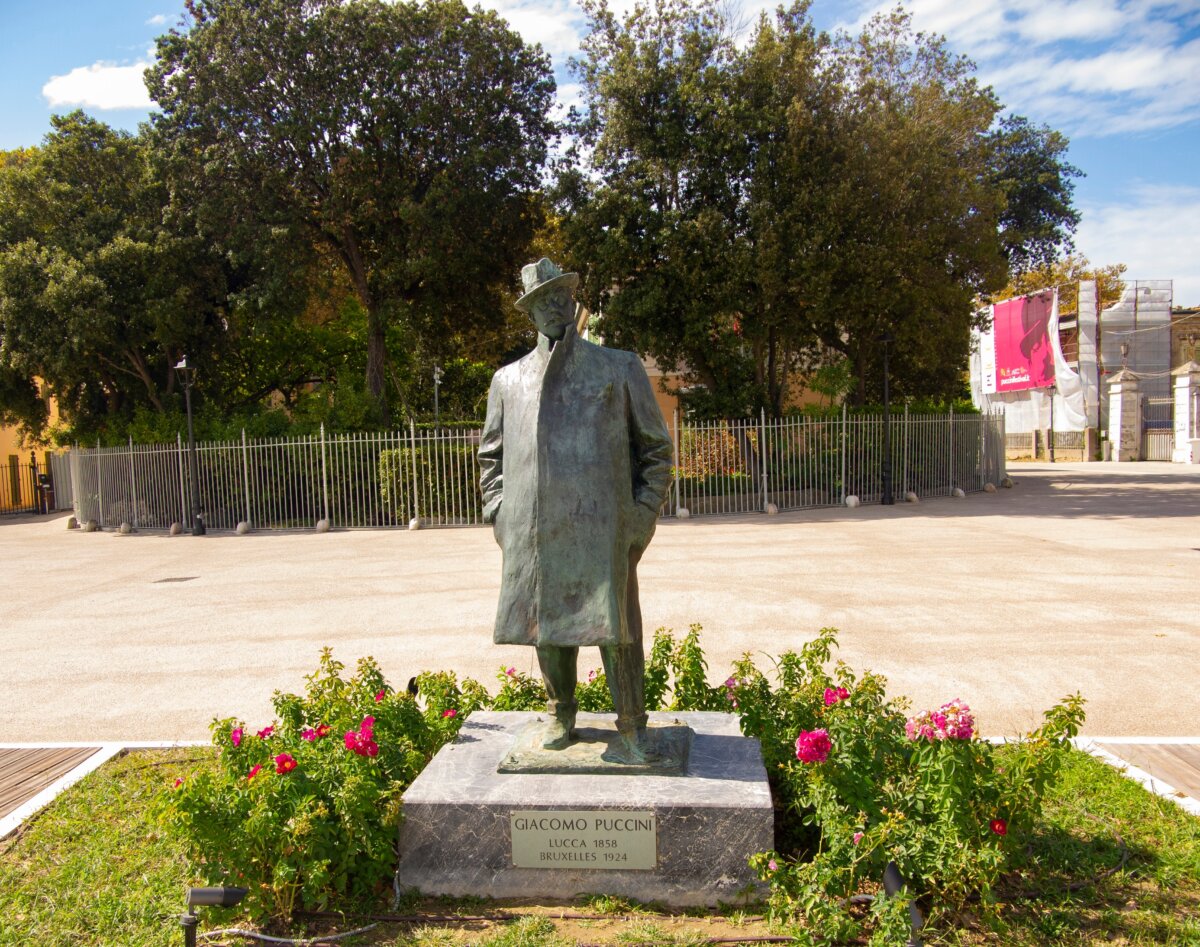
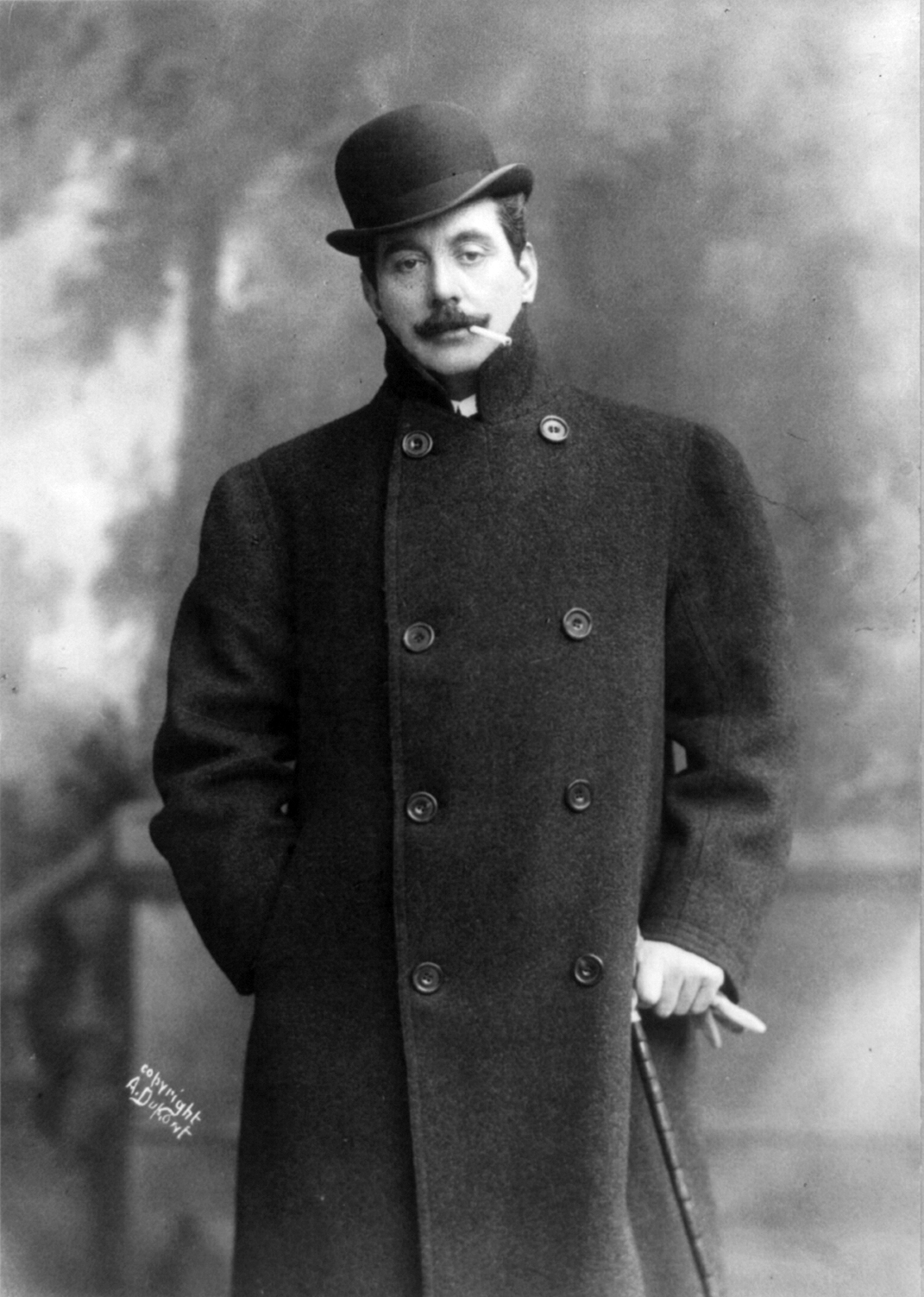
One of the most famous opera arias of all time is “O mio babbino caro.” Ironically, this aria by Giacomo Puccini is far better known than the opera for which it was written, “Gianni Schicchi,” which is itself just one of three one-act operas in “The Triptych” (“Il Trittico”).
This cycle of three hour-long operas features three unique works, each capable of standing alone, with three strikingly different moods. All too rarely performed together are the tragedy “The Cloak” (“Il Tabarro”), the religious story “Sister Angelica” (Suor Angelica”), and the comedy “Gianni Schicchi.”
‘Gianni Schicchi’
At the world premiere at the Metropolitan Opera in 1918, “Gianni Schicchi” immediately established itself as the most popular of the three operas. It has remained so ever since as a beloved part of the repertoire. It is popular whether performed on its own, with one of the other two operas, or paired with another one-act opera by a different composer.
Although Puccini added witty, playful moments to many of his full-length operas, “Gianni Schicchi” is his only comedy. It’s also the only Puccini opera without a chorus, instead featuring 15 soloist roles of varying prominence. Many characters only have a line or two, while the title character is given two arias.
The libretto was written by Giovacchino Forzano, based on an incident briefly mentioned in Dante’s “Divine Comedy.” The story was taken from a real historic incident in 13th-century Florence. Set in 1299, it’s one of the oldest settings for a Puccini opera (taking place three years earlier than “Edgar”).
After Buoso Donati, the patriarch of the family, dies, his greedy relatives are outraged to learn that he left his wealth to a monastery. Enterprising young nephew Rinuccio (tenor) suggests that crafty newcomer Gianni Schicchi (baritone) can devise a solution, which is necessary if Rinuccio is to marry Schicchi’s humbly born daughter, Lauretta (soprano). After Rinuccio’s mother, Zita (contralto), insults him, Schicchi refuses to help until Lauretta convinces him with pleading and threatening.
The wily Schicchi disguises himself as Donati, whom nobody, save the relatives, knows has died, and dictates a will. The greedy relations are horrified when the false Donati leaves the most coveted possessions, namely the mule, the house, and the mills, to “my devoted friend Gianni Schicchi.”
The relatives are unable to reveal the deception without implicating themselves in the crime. The only revenge they can take is pilfering whatever objects they can grab before Schicchi drives them out of his newly acquired house. Now that her father is a wealthy man, there is nothing barring Lauretta’s marriage to Rinuccio.
‘Babbino Caro’
The only well-known part of this score is “Oh my dear little father” (“O mio babbino caro”), which is commonly misnomered “Oh my dear baby” (“O mio bambino caro”). This is Lauretta’s aria, in which she tells her father she will throw herself in the river if he doesn’t help her win Rinuccio.
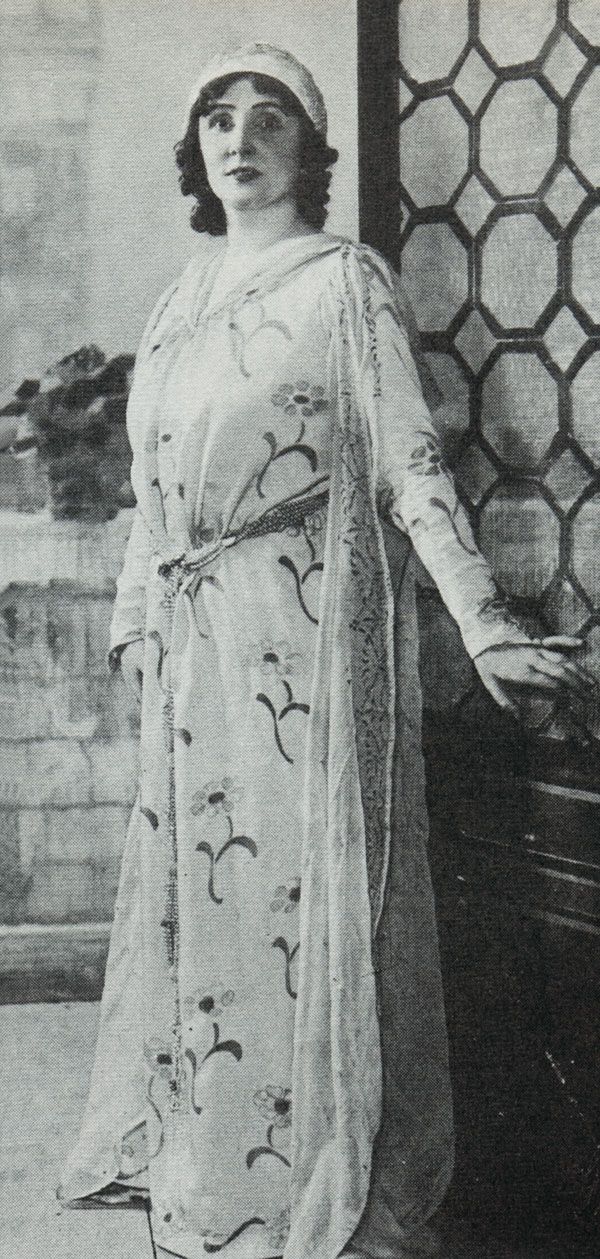
Although the only piece which can really stand alone, it’s not the only identifiable number. Besides Schicchi’s two arias, Rinuccio has a prominent solo. There also is a memorable trio sung by three female relatives as well as a brief love duet for Rinuccio and Lauretta.
Ironically, this through-composed opera features the fewest sweeping melodies of “Il Trittico,” instead relying on comical musical banter and playful dissonance, interwoven with the title character’s recurring theme.
Puccini’s brilliant handling of humor, demonstrated in occasional light moments throughout his earlier operas, is on full display in this single comic opera, in which he fulfilled his lifelong goal “to laugh and make others laugh.”
With three short but brilliant operas of very different styles, “Il Trittico” demonstrates the genius of Giacomo Puccini, to make audiences cry, thrill, and laugh in the span of three hours.
Read about Puccini’s other one-act operas in this series: “Il Tabarro” and “Suor Angelica.”
What arts and culture topics would you like us to cover? Please email ideas or feedback to features@epochtimes.nyc