SEARCH


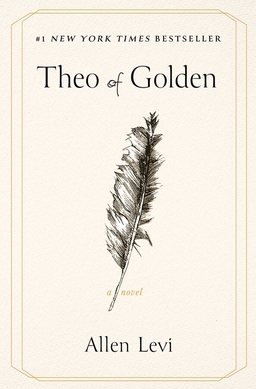
I came late to Allen Levi’s “Theo of Golden.”
One of my sisters recommended the novel. After waiting a few weeks for a copy to become available at the library, I read about its 86-year-old protagonist, who arrives in Georgia, and settles in the fictitious town of Golden. A stranger who gently avoids giving anyone his last name, Theo first mystifies and then charms all who come into contact with him.
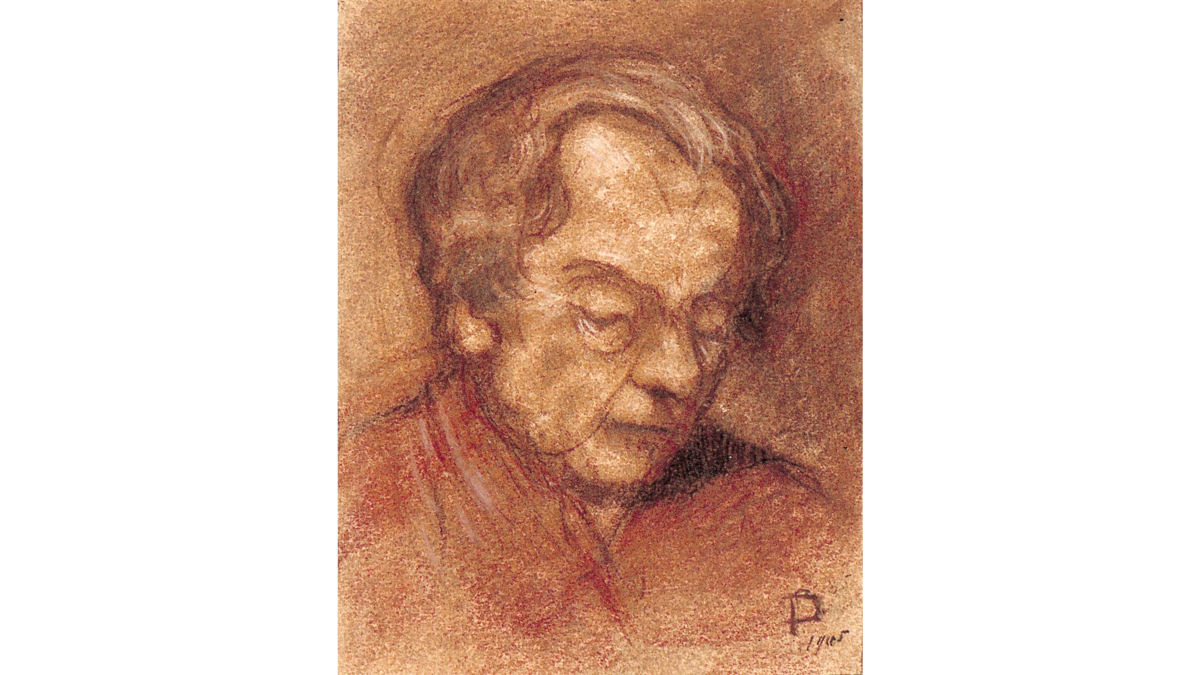
Theo also changes the lives of those whose pencil portraits, drawn by a local artist, hang on the walls of a local coffee shop. Seemingly entranced by these portraits, he begins buying them, one at a time, and giving them to what he calls their owners, the subjects of the drawings. Each encounter brings a story of that person’s past, a connection with Theo, and revelations about life in all its beauty and sorrow.
That is the bare-bones plot of the novel.
I finished “Theo of Golden” on a Friday. On Saturday morning, I did something I haven’t done since my elementary school years over 60 years ago. I began reading “Theo” again, more slowly this time, and finished it by the end of the next week. During that same week, I went online and ordered eight copies of the book. Three I gave to young writers I know here in town, four will appear in the Christmas baskets I give to each of my children and their families, and one I kept for myself.
Of poetry, Emily Dickinson once said, “If I read a book and it makes my whole body so cold no fire can ever warm me, I know that is poetry. If I feel physically as if the top of my head were taken off, I know that is poetry. These are the only ways I know it. Is there any other way?”
My own preference is for fire rather than ice. If I were to reconfigure the poet’s famous remark, I would say, “If I read a novel and it makes my whole being so warm that January becomes July, that is a good story. If I feel as if some optometrist had prescribed new glasses through which to see the world a little differently, that is great fiction.”
“Theo of Golden” gave me those glasses.
Here, for the first time in years, there came to me a novel in which the three transcendentals—truth, goodness, beauty—appeared in all their glory and without apology. Here in our impoverished culture was a gem glittering in the rubbish.
Truth
Truth is at work throughout the novel. One dramatic example occurs in a letter Theo writes near the end of the book.
Yet the best illustration of how truth works within us appears in the pencil portraits done by artist Asher Glisson. Once, after Asher and Theo become acquainted, they are in the coffee shop, the Chalice, discussing the drawings which hang from the walls, when Theo remarks, “Asher, in every face I detect sadness.” Prodded by Asher’s questions, Theo explains his meaning at length, then adds, “My expertise in sadness is hard-earned. But I realize more and more that it is a gift. Living with sadness, accepting it, is easier than trying to pretend it isn’t there. It is another of life’s great mysteries that sadness and joy can coexist so compatibly with one another. In fact, I wonder if, on this side of heaven, either one can be complete without the other. … There is no virtue in advertising one’s sadness. But there is no wisdom in denying it either. And there is the beautiful possibility that great love can grow out of sadness if it is well-tended. Sadness can make us bitter or wise. We get to choose.”
And then he returns to the portraits. “Asher, we are masters at masking our sadness, but deep down inside, if we are honest, we know that there is an unsatisfied longing deep inside all of us. Your portraits invite people to be alone and quiet and truthful with themselves; to admit the longing and to discover the goodness in their sadness.”
Goodness
A journalist in the book, Katherine Lesker, who, like so many others, receives her portrait and some words of wisdom from Theo, at one point writes of him, “His decision to live small made him larger than life.”
As is true of so many of us, only decades of living and suffering have made Theo a good man. The portraits he gives to their “rightful owners” bring them not only certain truths about themselves, but the possibility for goodness.
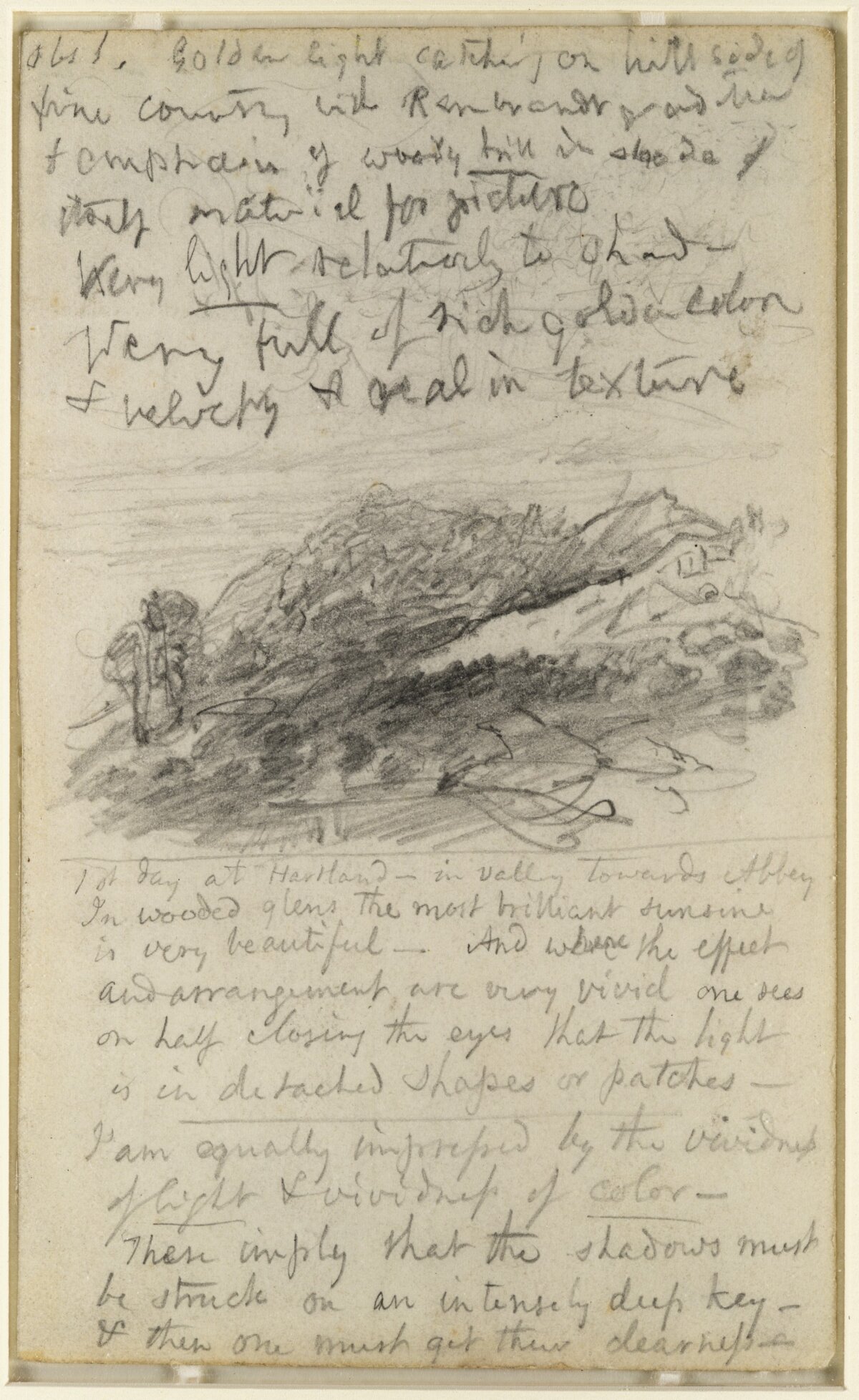
In another conversation with Asher, the artist asks Theo, “What do you think makes for good art?” Here is part of Theo’s reply:
“It might not make a lot of sense, but for anything to be good, truly good, there must be love in it. I’m not even sure I know fully what that means, but the older I get, the more I believe it. There must be love for the gift itself, love for the subject being depicted or the story being told, and love for the audience. Whether the art is sculpture, farming, teaching, lawmaking, medicine, music, or raising a child, if love is not in it—at the very heart of it—it might be skillful, marketable, or popular, but I doubt it is truly good. Nothing is what it’s supposed to be if love is not at the core.”
In “Theo of Golden, “ love is at the core.
Beauty
And so is beauty.
This novel is a meditation on art and beauty and on how powerfully they can move us when they are true and good. There’s the painter Asher, the cellist Simone Lavoy, the street musician Basil Cannonfield, and the many references to books, reading, and writing. Again and again, we encounter the restorative balm of art and beauty, and their ability to give us hope and inspiration.
Here, for instance, Kendrick Whitaker, a custodian at the local university, meets with a prosecutor, Derrick Prentiss, regarding a drunk-driving case that killed Whitaker’s wife and crippled his 7-year-old daughter. It’s the moment for Whitaker’s input, and he asks for mercy from the court after yesterday’s trial, describing how he saw the defendant in the courtroom as a face rather than as a label, as “a man with a soul” and with a child of his own.

Whitaker then asks the attorney if he remembers when he, Whitaker, was before the prosecutor and spent time in prison for a crime he hadn’t committed. Derrick Prentiss doesn’t remember. Whitaker then tells him that he’s met a man, Theo. Whitaker continues:
“[He] gave me a portrait that an artist had done of me. And I learned something from Mr. Theo. God gave us faces so we can see each other better. I used to not look at people’s faces so much. But I’m learning. Just like I’m looking at you right now. Mr. Derrick, 18 months ago, I hated you. But I never one time looked at your face. But I’m looking now. Mr. Derrick, I believe you’re a good man.”
Before they part, Prentiss says, “Mr. Whitaker, I apologize. I didn’t look at you. I’m gonna think about all that.”
Art and beauty have transformed the lives of these men.
Some readers despise “Theo of Golden,” attacking it as boring, too wholesome, or overly sentimental. When students used to ask me whether I’d read the Harry Potter series, I’d tell them that I’d tried, but that those books just weren’t for me. That, I would then explain, probably reflected more on my own tastes than on a fictional series which had attracted millions and millions of readers.
Those online critics of “Theo” might step back a moment to ask whether their dislike stems more from the book or from their own biases and the culture in which they’re immersed.
As for me, I’ll keep my new glasses and view the world around me with more affection and, I hope, with more kindness.
What arts and culture topics would you like us to cover? Please email ideas or feedback to features@epochtimes.nyc.