SEARCH


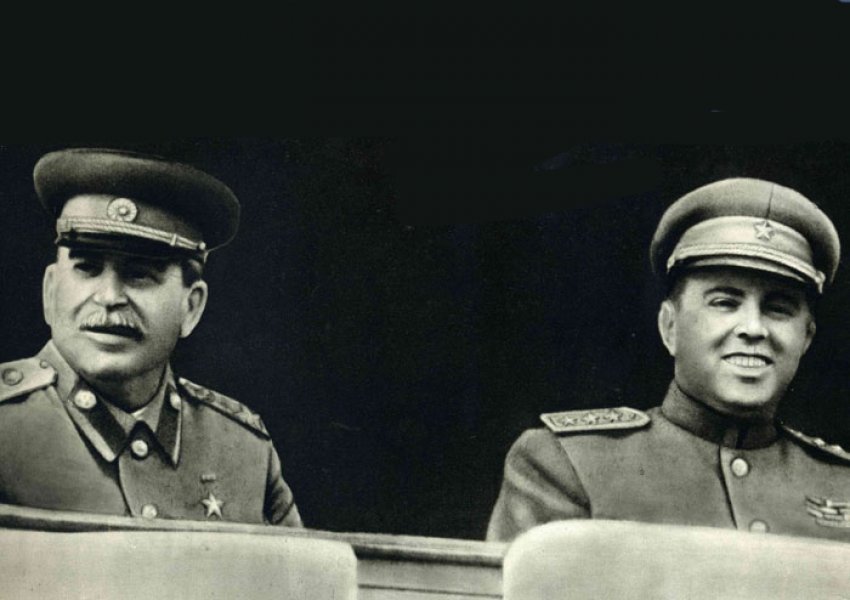
In the aftermath of World War II, Albania was plunged from the oppressive terror of fascist occupation into another hell of communist rule. Under the brutal leadership of Enver Hoxha, the country was mostly sealed off from the outside world and imprisoned in a Stalinist nightmare that robbed people of their liberty and dignity.
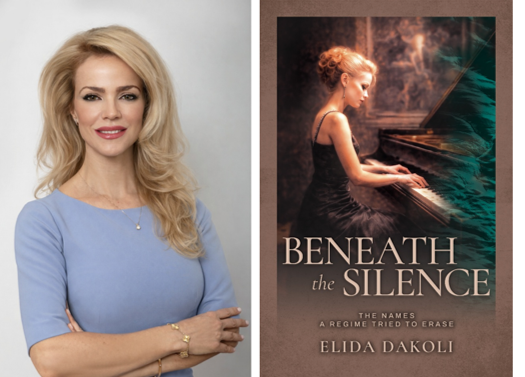
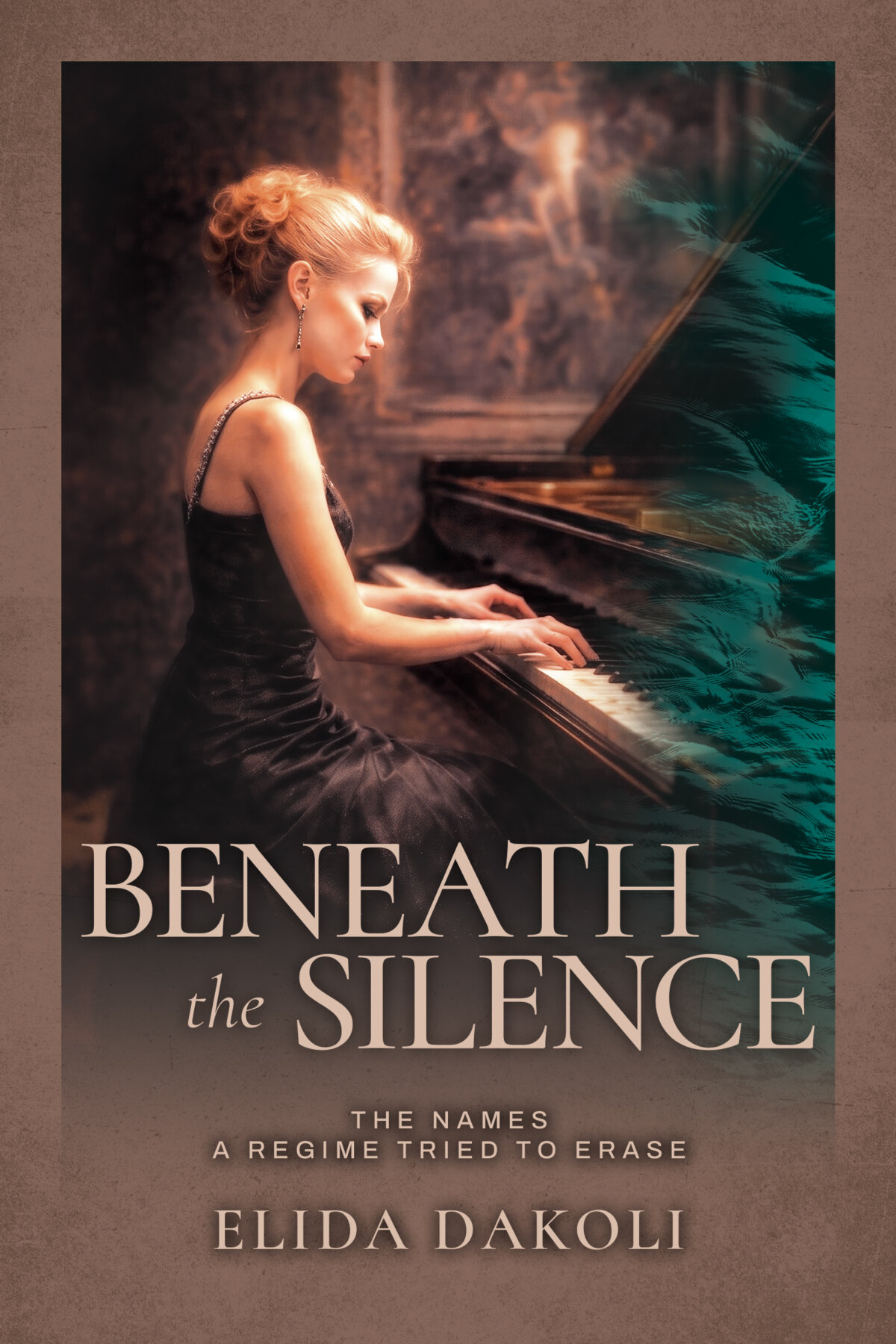
Elida Dakoli offers a harrowing family history of life during the Hoxha tyranny in her new book, “Beneath the Silence: The Names a Regime Tried to Erase.” It’s a disturbing story that recalls every small indignity and life-altering outrage inflicted by this regime, written in a poignant voice which calmly recalls the maelstrom that engulfed her nation.
Acts of Violence
Dakoli’s family story opens in the city of Durrës. Her great-grandfather, Hysen Myshketa, was a highly respected attorney and parliamentarian who sought to unify the fractious Albanian political environment and focus on creating a postwar democracy.
On October 4, 1943, Myshketa was shot in the street by members of a communist guerrilla movement. He was transferred to a hospital in the capital city of Tirana, where he died six days later. Dakoli believes his death was the result of an assassin who infiltrated the hospital.
The author’s grandfather, Sadik Dakoli, was a successful merchant who was well loved by his community. However, when the Hoxha regime took power, entrepreneurial men like him were considered enemies of the state. He was arrested and imprisoned, and his family remained unaware of his fate for years.
The author’s family became pariahs under the Hoxha regime. Her mother was shunned by friends and neighbors, while merchants refused to look at or speak with her while she was shopping. The author couldn’t understand why her beloved playmates suddenly stopped visiting her and abruptly excluded her from their activities.
In the book’s most chilling segment, the author recalls how the police barged into their home, stripped them of their belongings, and evicted them because of their family connections. One of those involved in this horrifying humiliation was a man who’d received an extra kilo of grain at no charge from Sadik Dakoli’s store; he was financially struggling and his wife was expecting a baby. That individual showed no remorse for destroying the lives of the family who’d helped his household.
A Piano Education
“Beneath the Silence” juxtaposes the mayhem involving the author’s family in the 1940s with her 1980s childhood. From an early age, she wanted to learn how to play the piano, but because of her family’s outcast status, her dreams were repeatedly kiboshed by Hoxha proxies. She was directed into violin lessons, which didn’t sync with her piano ambitions.
Nevertheless, the author didn’t give up her hopes to become a pianist. When she was denied access to the instrument by school authorities, her mother created a keyboard on paper so she would be able to practice in concept, if not actuality.
When a sympathetic music teacher enabled her to practice on a piano at 6 a.m., the author’s father would awake early and bring her by bicycle for lessons. Someone at the school got wind of these clandestine lessons and removed the light bulbs and light fixtures from the practice room before her sessions; they were returned after she left. Mercifully, her father provided replacement light bulbs and fixtures so she didn’t have to practice in darkness.
Fast-forward beyond the end of the communist rule. The author had since immigrated to the United States, earned a doctorate in music, and established a sterling career as a pianist. In 2023, she returned to Durres as an ambassador.
However, the piano she was supposed to use for her return engagement was vandalized, requiring a scramble to secure another piano before she could perform. It was obvious that supporters of the Hoxha-era evil still survived, despite ensuing years of democracy.
Excluding the World
The Albania described in “Beneath the Silence” is beyond comprehension for anyone unfamiliar with living under communism. Photos of Hoxha and books attributed to his authorship were required to be prominently displayed in every home.
Seeking out evidence of the world beyond the borders was considered seditious. The author recalls how the discovery of a Coca-Cola bottle on a beach in 1947 was viewed with terror because the popular soft drink wasn’t approved by the Hoxha regime.
In the 1980s, the author recalls, Albanians only enjoyed fleeting glimpses of the outside world when they could pick up unauthorized Yugoslavian television transmissions of “Popeye” cartoons and “Dynasty” episodes.
Readers coming to “Beneath the Silence” might have a greater appreciation of the book if they do some quick research on Albanian history during World War II and the postwar years. This will help them to understand how that country became so terribly warped.
But even if one approaches “Beneath the Silence” without that knowledge, Dakoli’s book should be appreciated as one of the most elegant condemnations of a communist state, written by a strong woman who withstood and outlived its demented reign of terror.
‘Beneath the Silence: The Names a Regime Tried to Erase‘
By Elida Dakoli
Post Hill Press: Nov. 3, 2026
Paperback, 320 pages
What arts and culture topics would you like us to cover? Please email ideas or feedback to features@epochtimes.nyc.