SEARCH


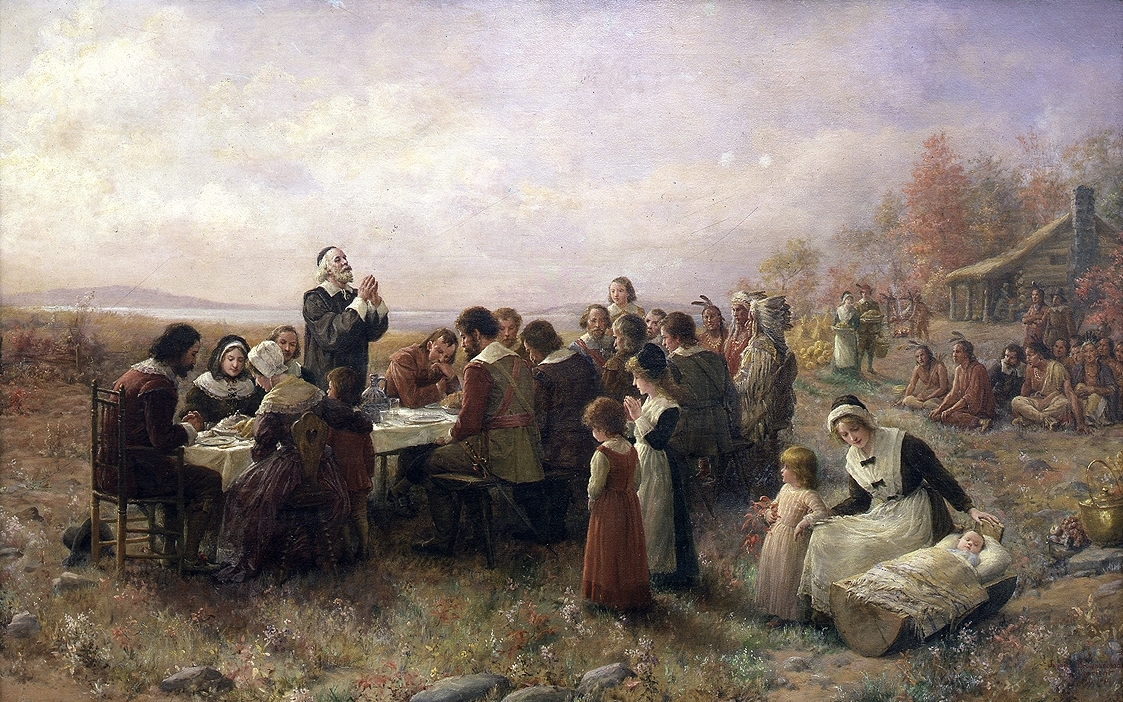
Each year, a special day arrives that calls us to join in the tradition of our forefathers and give thanks for the many blessings we have received in the past year and, indeed, throughout our lives. As its very name suggests, Thanksgiving calls on us to set aside our differences and immerse ourselves in gratitude for what we have.
In his short story “The First Thanksgiving,” Albert F. Blaisdell outlines the first Thanksgiving as celebrated by the Pilgrims and their Native American friends. Most importantly, Blaisdell highlights the wonderful gift of gratitude and thanksgiving at the very heart of this story, which makes even the simplest of things the most beautiful gift.
Autumn Harvest
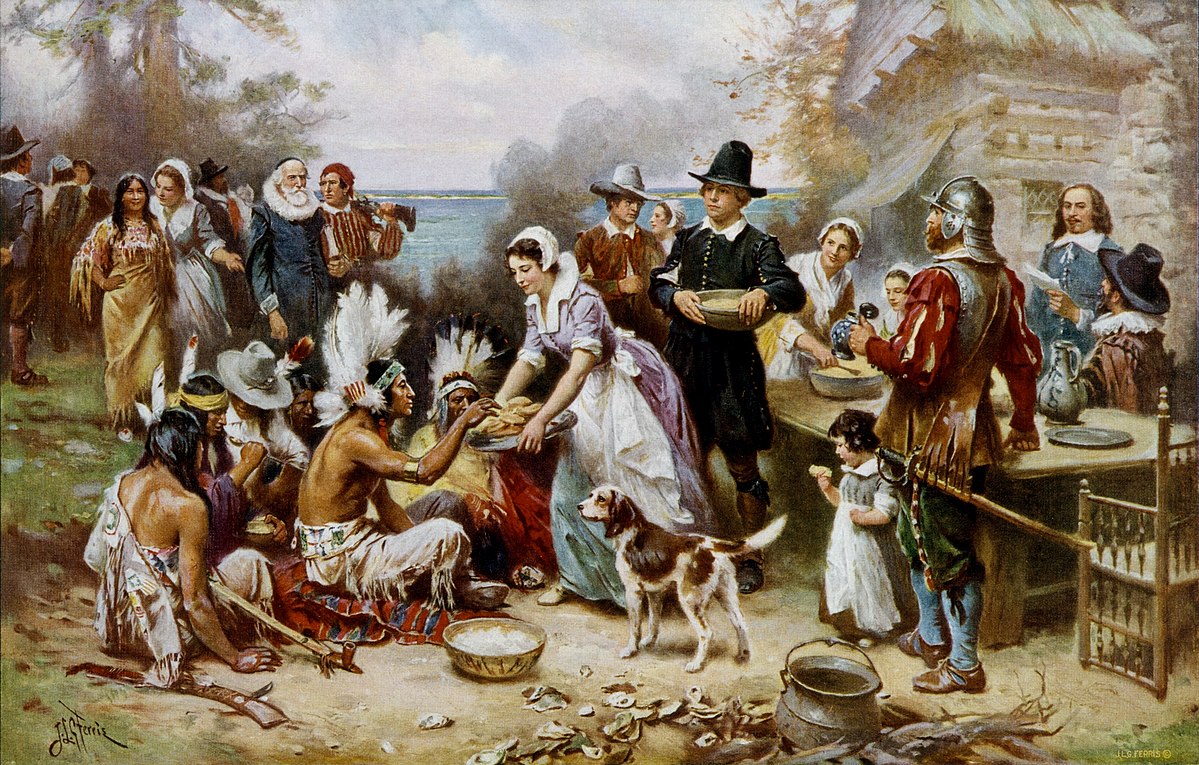
After a fruitful summer, the Pilgrims harvest a plethora of corn, wild strawberries, and grapes. They also successfully hunt turkeys, deer, fish, clams, and lobsters. With such an abundance, Gov. William Bradford announces: “Let us gather the fruits of our first labours and rejoice together.”
Having done so, the Pilgrims decide that they will have a day, no, a week of celebration in which they “may thank God for all [their] blessings.” Having set the week, which Blaisdell places somewhere in October, the Pilgrims invite their Indian friends and begin preparing for the grand week of Thanksgiving.
The Pilgrim men hunt wild turkeys, while Indian Chief Massasoit sends his warriors to hunt deer for the feast. With the food gathered, the Pilgrims build long, rough tables and spread a delicious array of “baked clams, broiled fish, roast turkey, and deer meat.”
The Pilgrim women serve both Indian and Pilgrim friends and family. As they do so, they laugh, joke, and remember the many incidents of their arrival at Cape Cod and their life afterward. Both Mary Chilton, “who leaped from the boat at Plymouth Rock,” and Mary Allerton, who “lived for seventy-eight years after this first Thanksgiving,” stand at the table serving, laughing, fondly recalling their journey.
Stories, Memories, and Gratitude
The Thanksgiving week is filled with more than food. By day, the men engage in races, games, and shooting matches. At night, the Indians entertain their Pilgrim friends with wild songs and loud war cries, which shake the surrounding woods.
And, though Massasoit and his warriors cannot stay the entire week, the Pilgrims show their gratitude to their new friends with beads and other trinkets. Then, on the last day, the Pilgrims gather together to hold a service of praise and prayer, thanking God for his beneficent bounty and grace.
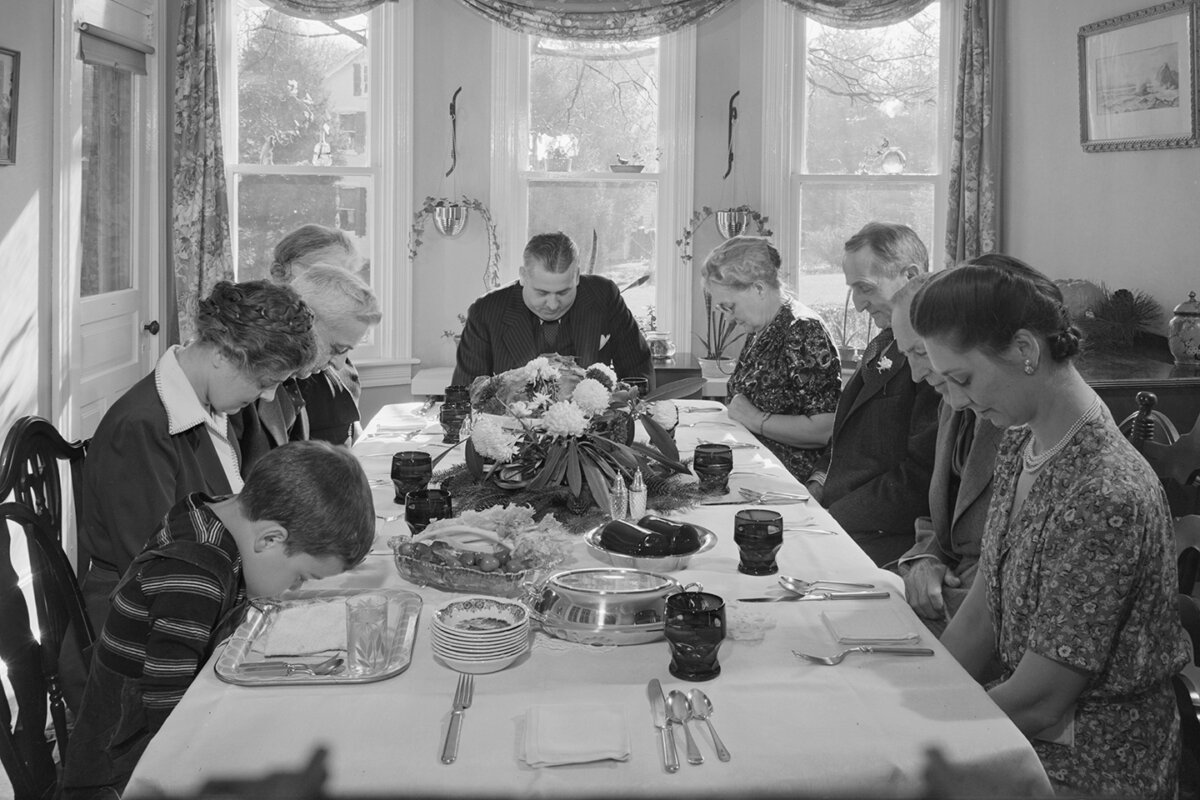
Thus, in his retelling of the Pilgrims’ first Thanksgiving, Blaisdell shows that gratitude, even in harsh and difficult times, allows us to enjoy even life’s simplest gifts. Thankfulness breaches the walls of discomfort, disagreement, and ill-will and opens up our hearts to light, beauty, and forgiveness.
When Thanksgiving arrives, we can readjust our perspective toward gratitude. As South African poet Gift Gugu Mona says in her book, “The Gift of Thanksgiving,” “When you look around, you will always find something to thank God for, whether you are onshore or offshore.” As the Pilgrims’ lives demonstrated, life is difficult and full of many woes, but the world is brimming with things we can be grateful for.
So, as we celebrate Thanksgiving, let us join the Pilgrims in opening our hearts with wondering, grateful eyes. In doing so, we will see the world anew, charged with grandeur, blessings, and graces that God has blessed us with.
What arts and culture topics would you like us to cover? Please email ideas or feedback to features@epochtimes.nyc.