SEARCH


My sorrow, when she’s here with me,
Thinks these dark days of autumn rain
Are beautiful as days can be;
She loves the bare, the withered tree;
She walks the sodden pasture lane.
Her pleasure will not let me stay.
She talks and I am fain to list:
She’s glad the birds are gone away,
She’s glad her simple worsted grey
Is silver now with clinging mist.
The desolate, deserted trees,
The faded earth, the heavy sky,
The beauties she so truly sees,
She thinks I have no eye for these,
And vexes me for reason why.
Not yesterday I learned to know
The love of bare November days
Before the coming of the snow,
But it were vain to tell her so,
And they are better for her praise.
While autumn is much beloved for its glorious hues and leaf-brushed landscapes, it also offers catharsis to melancholy souls in its drearier, drizzly days. Just as we derive some pleasure from listening to sad music when we are sad, so too do we find a strange solace in the grey and gloom of autumn when we are melancholy. In fact, we can sometimes luxuriate in our sorrow to the point of self-indulgence.
Frost and His Guest
In his poem “My November Guest,” Robert Frost notes this human tendency by not only personifying sorrow as a guest but painting her as the speaker’s romantic interest. In his own gloss for the text, Frost says, “He is in love with being misunderstood.” Indeed, his tone makes it clear that the speaker is enamored of his November guest.
Sorrow luxuriates in the grey, empty scene despoiled of its recent autumn riches. She pushes the speaker onward to admire the signs of decay in the landscape, as though to accelerate mortality. Ironically, the second stanza, while speaking of sorrow, is filled with the words “pleasure,” “fain,” and “glad.” As Frost noted in his gloss, sorrow is a welcome guest, and the speaker is charmed by her enjoyment of the bleak scene.
The speaker himself is rather coy, pretending he does not recognize the beauties of the season just to have sorrow vex him “for reason why” and to hear her continued praises of the days. Again, Frost employs irony in the final stanza, for while the cause of the speaker’s sorrow is being misunderstood, sorrow herself misunderstands him by thinking he does not consider November’s dreariness beautiful.
For most of the first three stanzas, the reader is left to believe, with sorrow, that the speaker does not appreciate the season’s beauty. Aside from the clue that the speaker is “fain to list” to sorrow, the reader is left, much like sorrow, to misunderstand the speaker. The end of the poem closes the gap between sorrow’s misunderstanding and the truth about the speaker’s feelings.
Because sorrow is, in fact, one of the speaker’s own emotions, the artificial gap he constructs between them to be misunderstood reveals to the reader that he revels in sorrow’s presence. It is not “in vain” to tell sorrow that he has long loved November days, but rather it is in vain to try to console him.
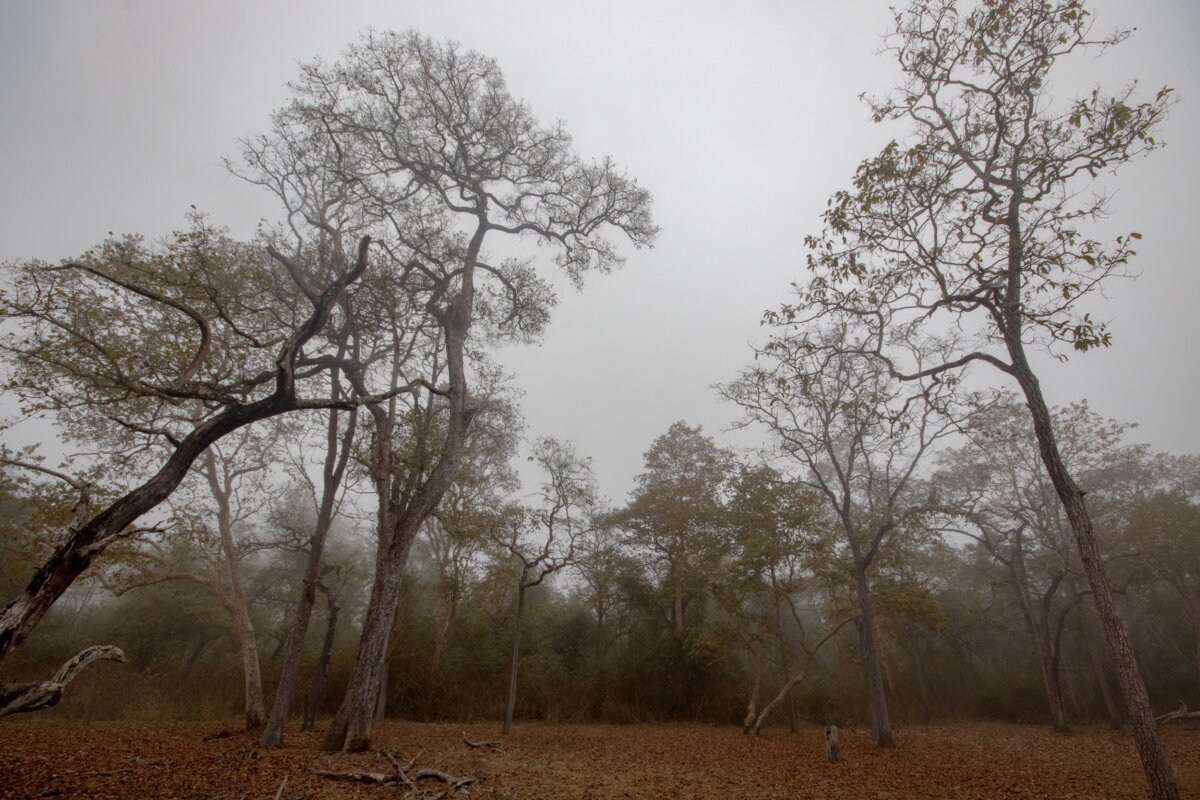
What seems an idyllic nature poem therefore exemplifies Frost’s technique of concealing a trick in seemingly simple lyrics. The poem is not a song of praise to November’s beauty but is rather a game of concealment. The question the reader is left to ponder is whether the drab autumn array is truly beautiful in itself or only beautiful to the eyes of those who are melancholy and wallowing.
Frost, however, is further successful in crafting a comely catalog of autumn adornments. The quiet beauty of the silver mist, the consonance of the “desolate, deserted trees,” and the contrast between the “faded earth” and the “heavy sky” paint a dynamic landscape full of character and quiet color.
Frost’s last trick, it seems, is to cloak, in a poem of deception, a genuinely beautiful description of the barren autumn landscape and to make his readers as enamored as the speaker of the forlorn November scene.
What arts and culture topics would you like us to cover? Please email ideas or feedback to features@epochtimes.nyc.