SEARCH


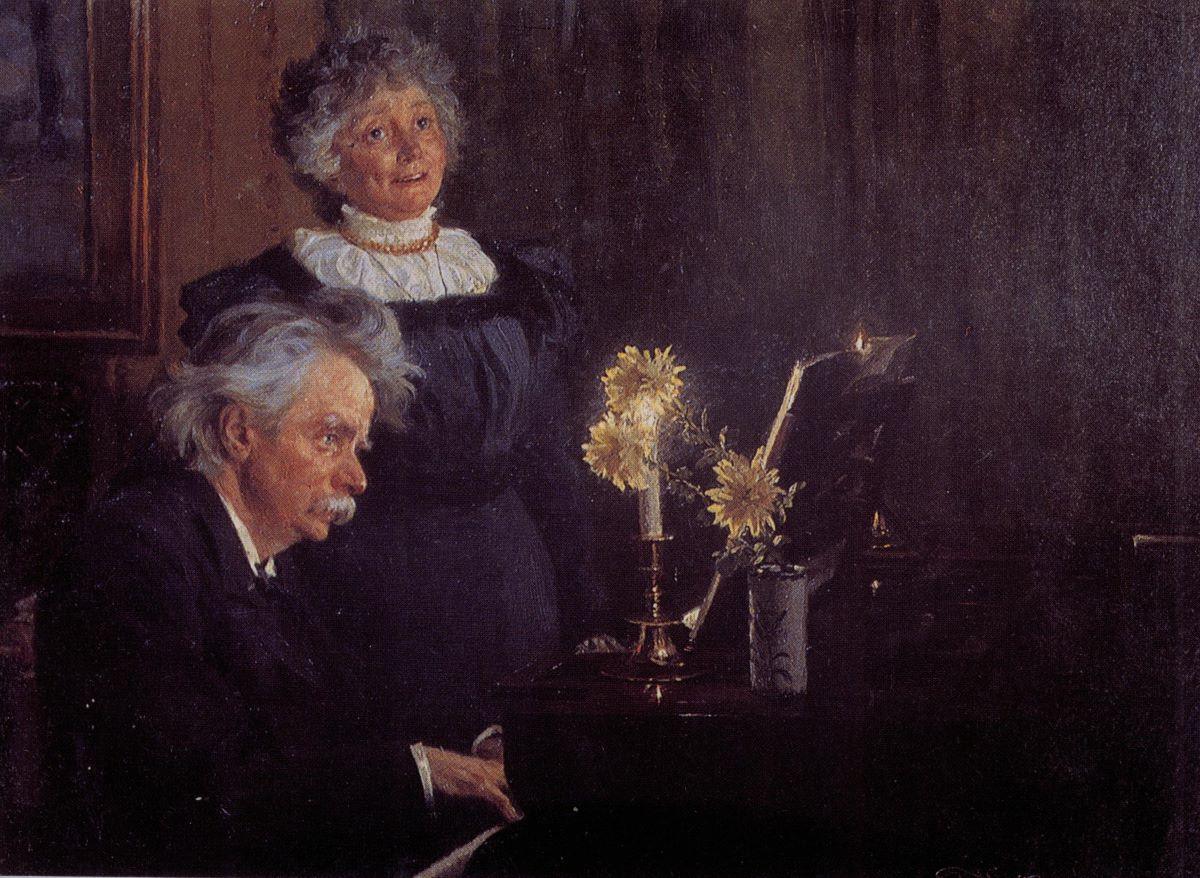
It’s exceedingly rare for melodies written 150 years ago to be familiar today by any ear, of any age, in any country. But such a claim for the melodies by Edvard Grieg, (1843–1907) is not an overstatement.
What is less known about Grieg’s music is the degree to which these were inspired and nurtured by his beloved wife, Nina (1845–1935). The entirety of Grieg’s stellar rise to national and international acclaim can be traced through his storied personal and professional bond with his equally brilliant wife. Tchaikovsky, after meeting the couple, noted in his journal that Nina Grieg was the most informed and cultivated woman he’d ever met.
The Breakout Piano Concerto
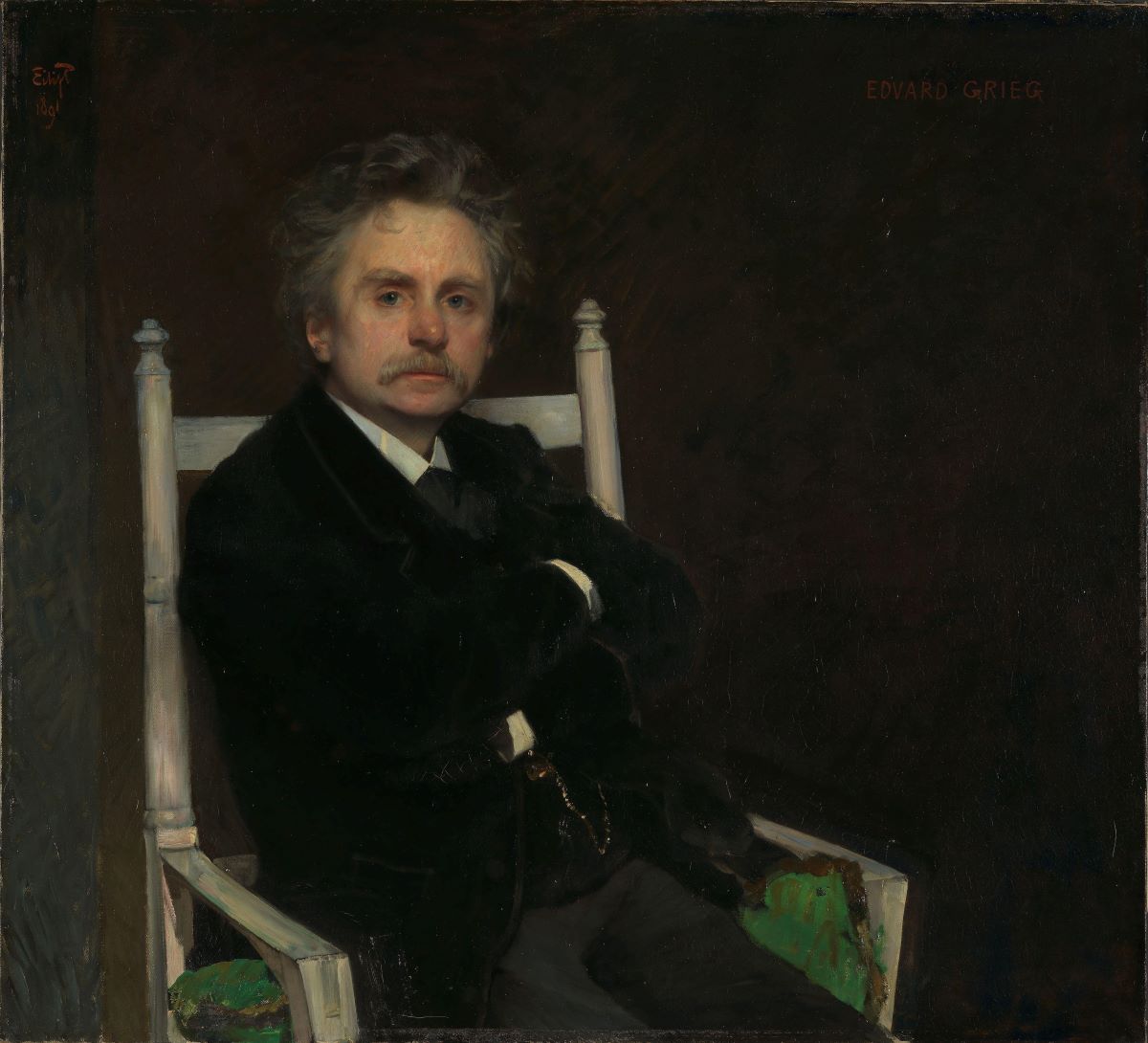
In October of 1858, Grieg was only a month deep in his music studies in Leipzig when he heard Clara Schumann perform her late husband’s Piano Concerto in A minor at the Old Gewandhaus concert hall. Throughout her 1,300-plus concert career, she would perform this piece well over 100 times. Yet, it was this particular performance that would most profoundly impact concerto repertoire for the next century because of its impact on the 15-year old Grieg.
Ten years later, in a little summer cottage in the suburbs north of Copenhagen, Grieg found a most auspicious time to write his own piano concerto. A year into his marriage with Nina, and with a newborn daughter, that summer marked a period of immense joy and inspiration drawing deeply from the memory of Schumann’s performance.
In the same dramatic key of A minor, with a similarly explosive opening flourish, Grieg’s concerto would be judged as both derivative and revolutionary and claimed Franz Liszt and Sergei Rachmaninoff among its champions.
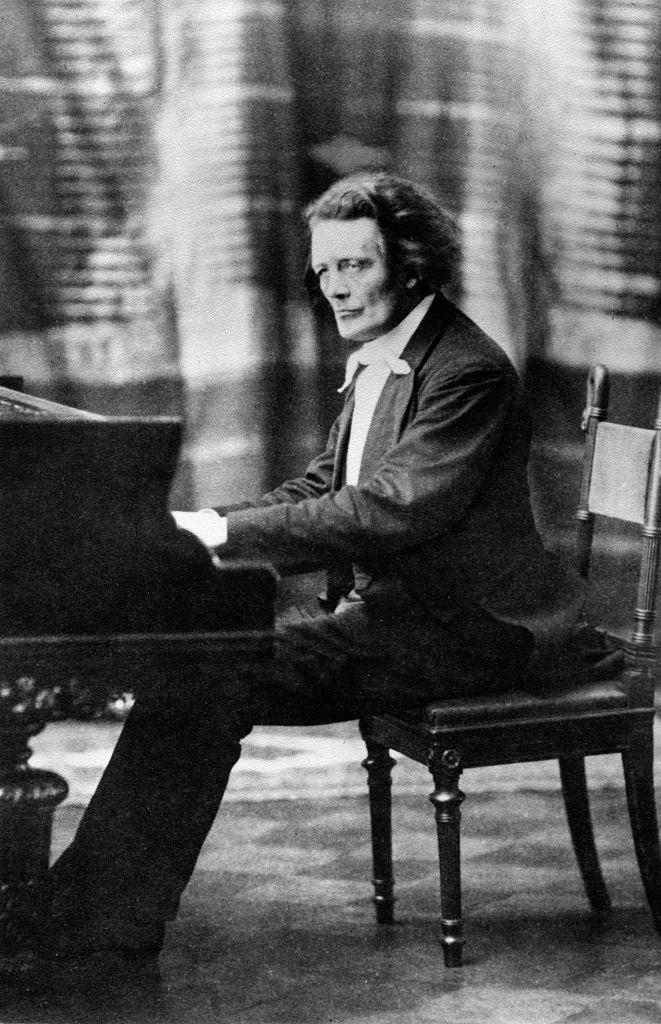
By the time of the concerto’s premiere on April 3, 1869, Grieg was still relatively unknown on the international music scene. Yet, the premiere was attended not only by the queen of Denmark but also the legendary pianist and composer Anton Rubeinstein who had founded the St. Petersburg Conservatory and was touring in Copenhagen at the time. The premiere’s star-studded attendance was largely due to the celebrated Norwegian soloist, Edmund Neupert, who took Grieg’s place. Grieg was unable to perform or even attend.
As was common between pianists of the era, Rubinstein lent Neupert his touring piano for the premiere, completely unaware of the impact the concerto was about to have on the future of Russian music. The fortuitous circumstances resulted in Rubinstein’s invitation for Neupert to visit to join the Moscow conservatory in 1880 as a piano instructor. The subsequent popularity of the concerto in Russia resulted in both Tchaikovsky and Rachmaninoff becoming ardent supporters of Grieg’s music. Rachmaninoff, throughout the evolution of his three celebrated piano concertos, would always honor Grieg as the primary inspiration behind them.
Deep Art From Deep Suffering
Just weeks after the concerto’s grand premiere, the baby daughter who inspired the piece died suddenly of meningitis. Nina, who was a concert pianist and soprano, was pregnant with a second child who would shortly die in her womb. She had planned to give up her performing career to raise her children, but she would never conceive again.
In an attempt to leave their grief behind, Griegs applied for a travel grant from the Norwegian government. Despite the glowing success of the recent premiere, the application was rejected; Grieg’s music was viewed in his home country as too dissonant. It took a glowing endorsement from none other than Liszt, who had recently discovered Grieg’s violin sonata, to compel the Norwegian government to promptly reverse their rejection of both Grieg’s application and his music.
The travel grant provided the Griegs the means to visit Liszt in Rome. Liszt had, by this time, recovered somewhat from the tragic deaths of his two adult children and devoted much of his life to the church and sacred music. In a unique position to console the grieving couple, Liszt proceeded to sight-read the entirety of Grieg’s piano concerto with its orchestral accompaniment before an audience, praising its originality and sincerity, and imploring the young composer that he must not give up on his talent and potential. Grieg would later say Liszt’s words carried him through his darkest times like a divine mandate.
Embodying Norway in ‘Peer Gynt’
Grieg’s personal mission to elevate Norwegian culture and folk melodies with his music was in large part driven by the nation’s deep-rooted identity crisis. The Black Death of 1349 had reduced Norway’s population by 50 percent to 70 percent, killing much of its nobility and clergy. This loss of the ruling class, in combination with the country’s resources being seized by Denmark during the Protestant Reformation in 1536, forced Norway to remain a Danish province for centuries with Danish as its only official written language.
Denmark’s surrender during the Napoleonic wars in 1814 resulted in a transfer of Norway’s political allegiance to Sweden. Norway would not win its independence until 1905, and its people spent much of the 19th century attempting to redefine their national identity apart from their neighboring kingdoms’ perpetual encroachment.
Enter Norwegian playwright, Henrik Ibsen and his epic poem, “Peer Gynt” (1867). Blending of fantasy elements with an antihero’s inner turmoil, its complex narrative was adapted for the stage with Grieg’s music in mind.
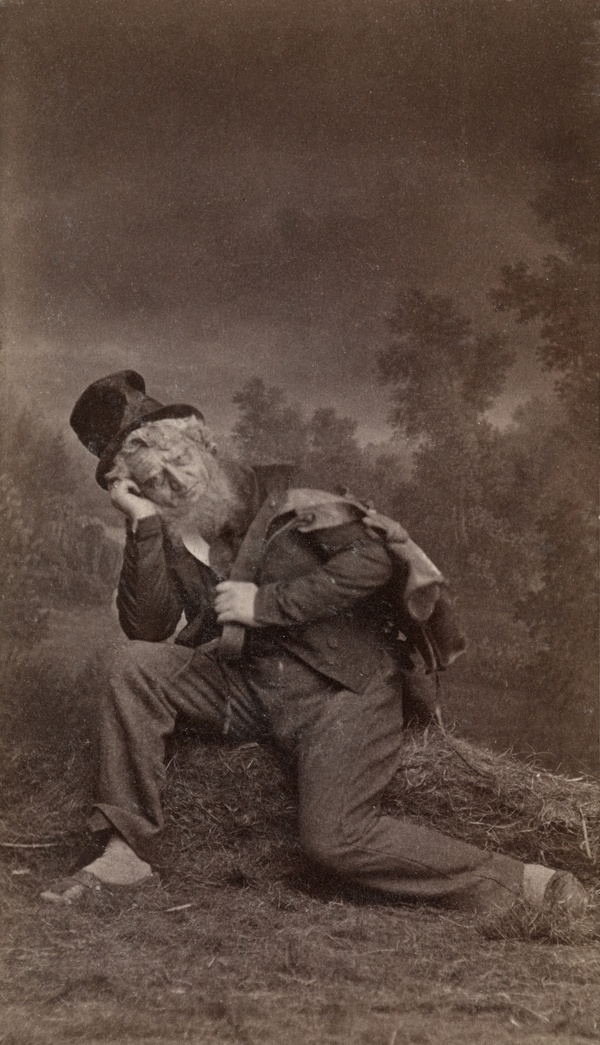
Ibsen would eventually became not just a Norwegian icon but also the most performed playwright after Shakespeare. While Grieg initially felt the commission to be his greatest artistic calling, he quickly found setting the massive, fragmented narrative’s 40 different scenes to be his greatest artistic challenge.
It took two years for Grieg to complete the score, and his frustrations with the process were documented in several letters to close friends. While finding the scope and development of the play “unmanageable,” there was one scene to which he took an instant liking and completed early on.
Throughout all of Peer Gynt’s long years of wandering, his beloved Solveig remains faithfully at home waiting for his return. Her love is captured in a piece inspired by Nina’s constant support and devotion to Edvard.
While the music written for “Sunrise” (or “Morning Mood”) and “In the Hall of the Mountain King” would eventually be used around the world in everything from cartoons to car commercials, “Solveig’s Song” would become known as Norway’s second national anthem. In 1991, the piece reached its cultural zenith when sung by Sissel Kyrkjebo to commemorate the coronation of King Harald.
From Heartbreak to Happy Ending
Despite the Griegs’ constant collaboration and companionship, the hardships of losing their daughter and years of constant touring eventually drove them to separate. Yet, thanks to the careful mediation and counsel of their close friend Frants Beyer, the separation lasted only six months, and the two reunited in Rome to perform again.
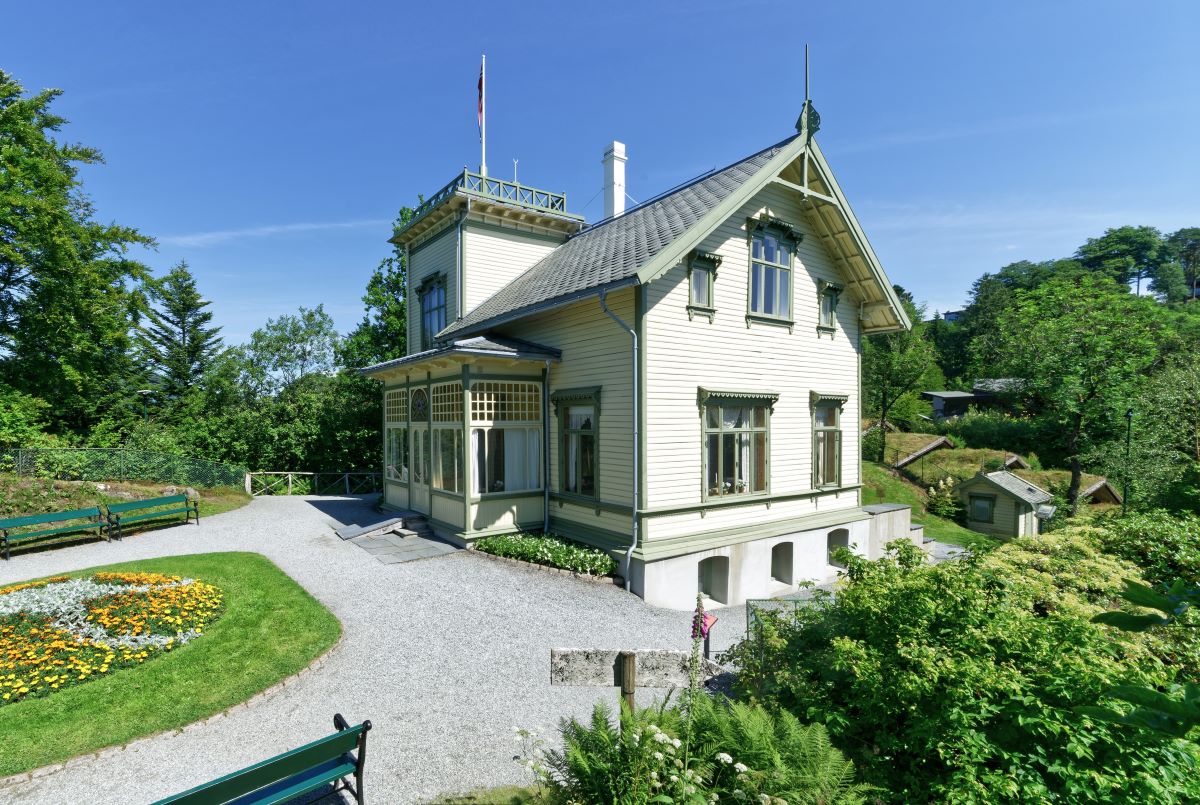
Upon returning to Norway, their reconciliation inspired the building of the now famous villa outside of Bergen fondly known as, Troldhaugen or “Troll Hill.” The beautiful setting overlooking the Nordasvannet Fjord was where Grieg would compose many of his final works. For all the iconic music which inspired performers and composers around the globe, it would be Troldhaugen that Grieg referred to as his greatest masterpiece.
What arts and culture topics would you like us to cover? Please email ideas or feedback to features@epochtimes.nyc.