SEARCH


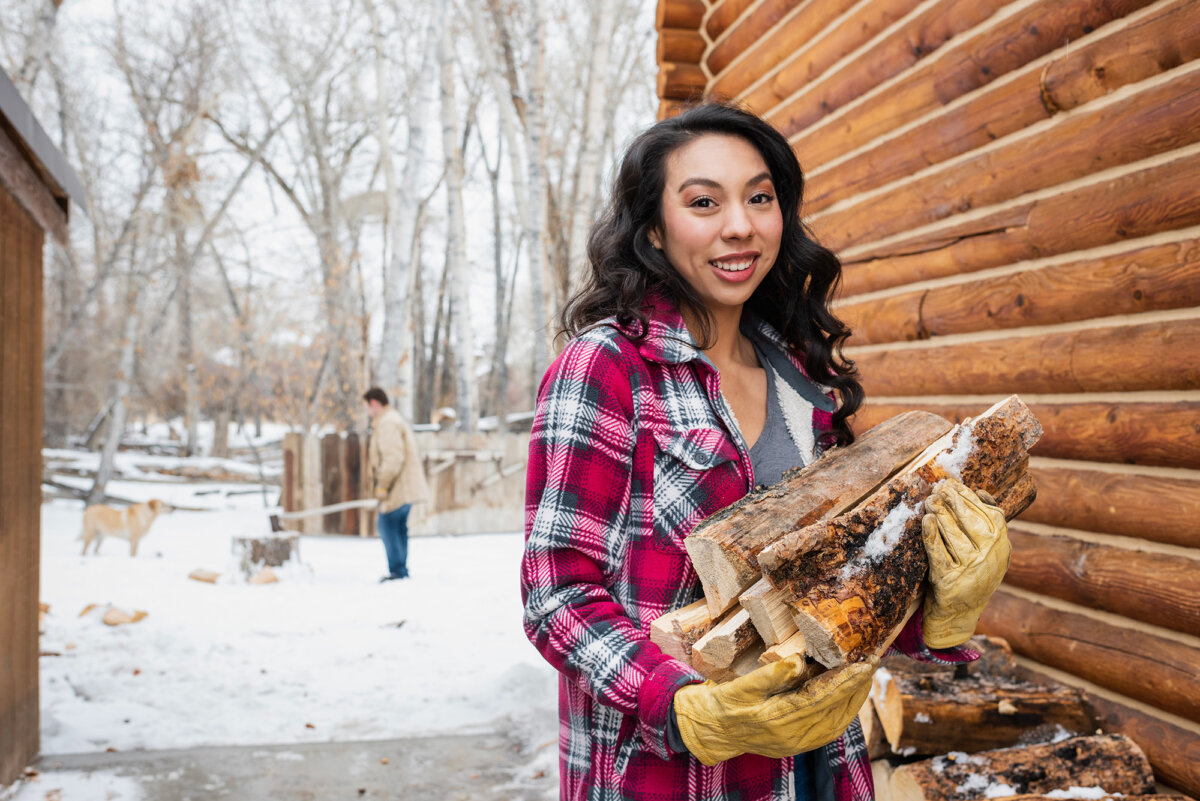
December through February is peak blizzard season for much of the country. Happily, much of the home protection work is already done for homeowners who did a comprehensive fall prep, including sealing window and door drafts, caulking shut cracks in exterior walls and siding, and a DIY HVAC/furnace service and test. Likewise, the gutters should have been recently cleared, the roof inspected and repaired, and dead or overhanging tree branches trimmed back for safety. And, of course, outside water sources should have been shut off with insulating covers secured over the spigots.
Missed a step? No worries, that’s why I’m providing this quick recap. Take care of it now, before the weather gets any colder.
Hidden Hazards
Burst water pipes and the resulting water leakage can lead to significant structural damage and mold. Water pipes that run through uninsulated areas of the home, such as basements, crawl spaces, attics, and garages, are especially vulnerable, but the whole house can be at risk if the storm knocks out the power.
Fortunately, there’s a cheap and easy fix. Cover cold water pipes with pre-slit foam or rubber sleeves with a R-4 or higher insulation value. If needed, cut them to 45-degree angles to fit over bends and elbows. Secure all into place with zip ties to keep them from sliding around. Hot water pipes should be insulated with fiberglass or mineral wool insulation in general, particularly near the water tank, as this will reduce energy loss year-round and can raise faucet temperatures as much as 2- to 4 degrees F.
If a pipe does burst, shut off the main water supply and electricity to the immediate area, if you can do so safely. Open all faucets and flush the toilet to drain the line and reduce pressure on the plumbing system. Dial a plumber, and begin water cleanup ASAP with towels, buckets, and ideally, a battery-powered wet/dry vacuum.
Exterior Reinforcement
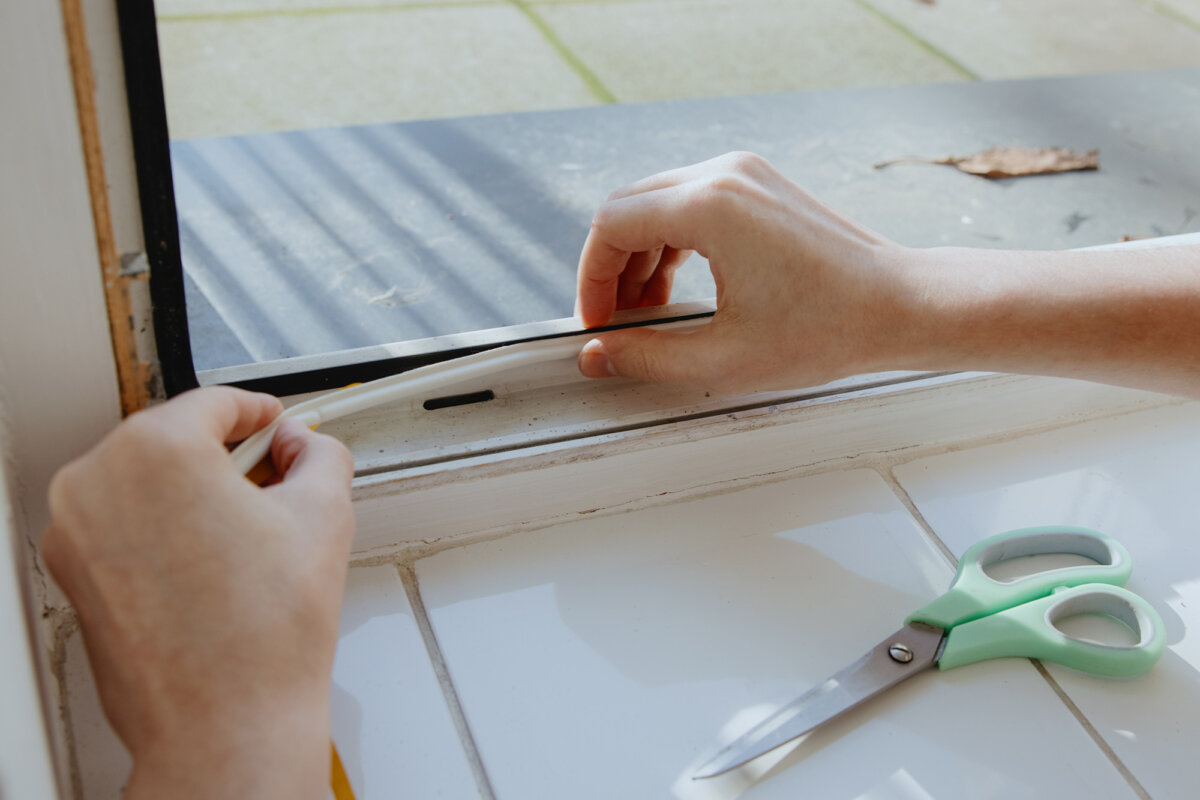
Not every budget allows for new windows, which is why DIY window insulation kits are popular. Many of these kits involve interior or exterior window insulation film, but exterior storm windows will provide extra protection against seal failure, wood rot, swelling, and warped frames. While they’re typically fixed, some storm windows can be opened for fresh air when desired.
Got a through-the-wall air conditioner? No need to remove it. Insulated covers are available online in popular sizes, with custom options available.
Power Shopping
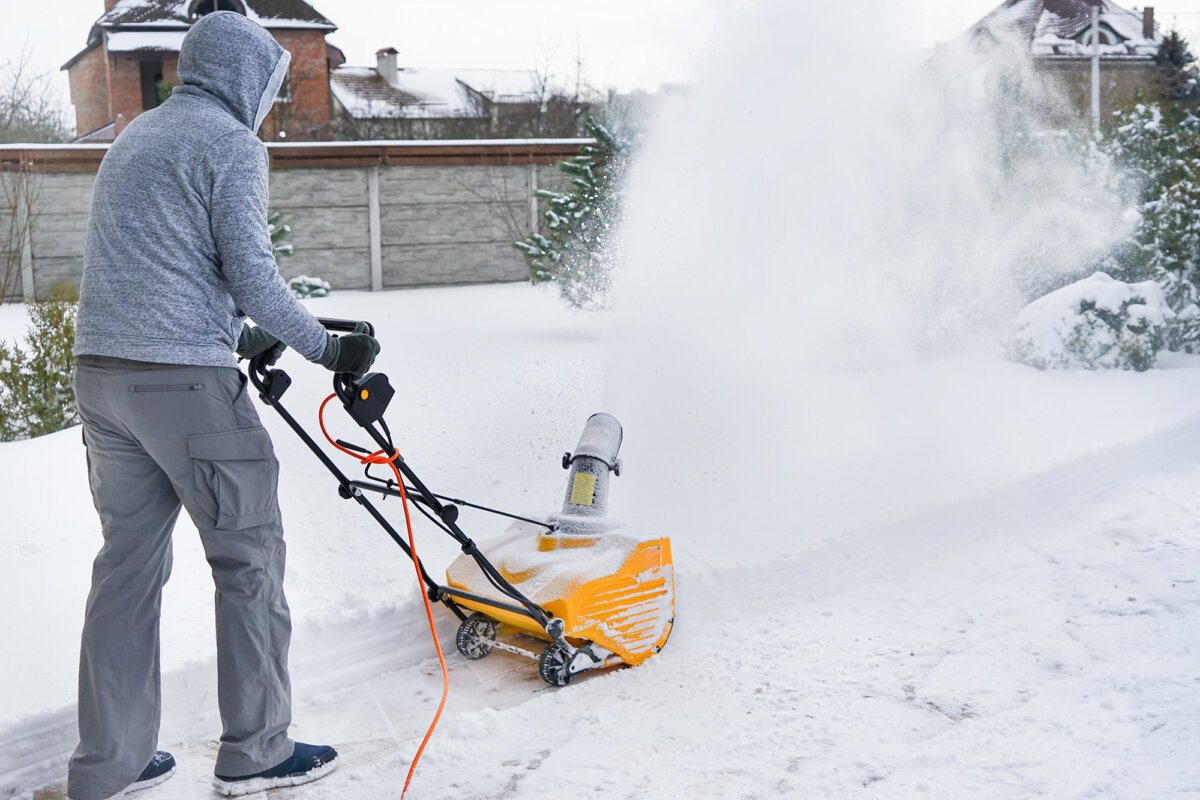
While some of the best prices on snow blowers are in late spring when retailers deep discount their end-of-season remainders, Black Friday can also offer some great sales.
Next question: gas-powered or electric? The general rule of thumb is electric models offer less maintenance, quieter operation, and zero emissions. Corded means a longer run time in an area restricted in range by extension cord length. If you decide to go battery-powered, make sure to invest in some spare batteries. Typically, electric options are good for small yards with snow that is not too deep, too wet, or too compacted, maxing out at a 24-inch clearing width. For all else, consider gas, which comes in a wide variety of models that can handle widths up to 45 inches and accumulations up to 12 inches deep. If the budget allows, get a self-propelled model.
Winter Commissioning
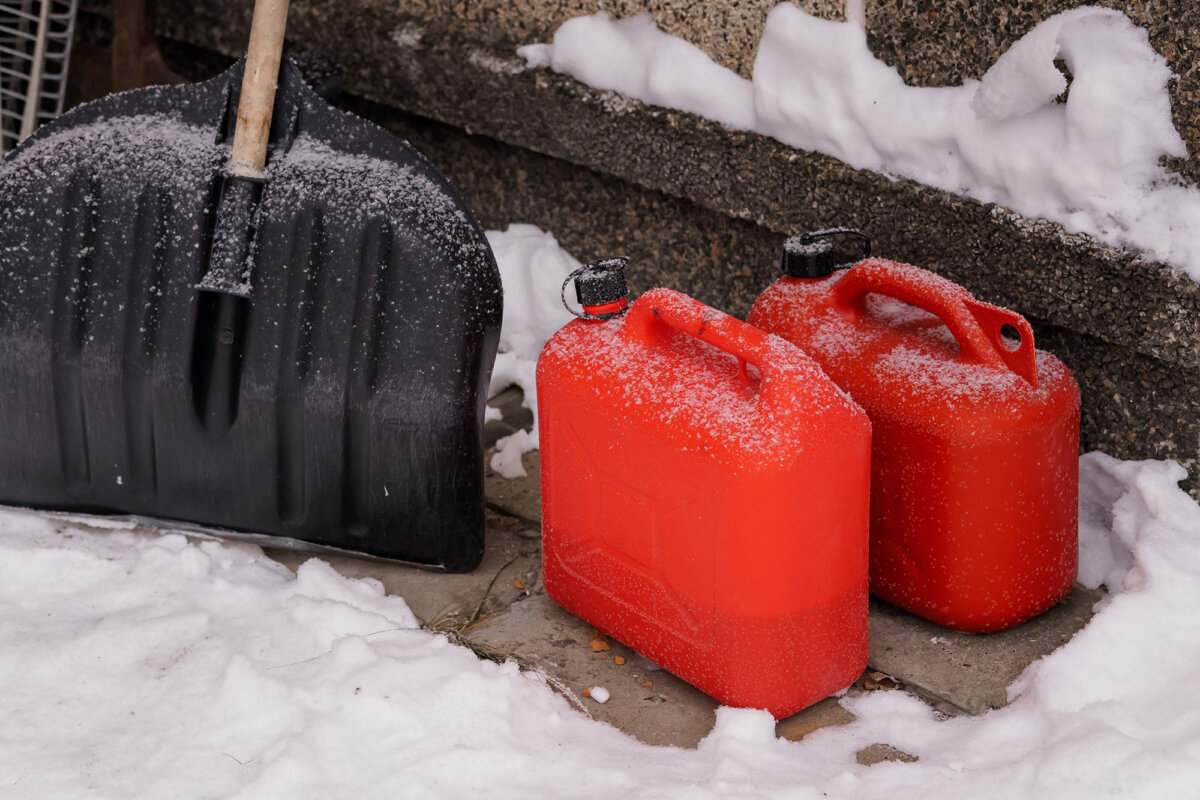
Already got a good blower? If electric or battery-powered, inspect the belts for wear and charge the batteries. If gas, start with the oil. Unscrew the drain plug under the engine, drain the old oil into a catch pan, and refill with the type and amount of fresh oil recommended by the owner’s manual. If the fuel tank was emptied last spring, refill it. If it was stabilized and then run for 5 minutes to get it through the system, it’s ready to go. But don’t start it just yet; put in a fresh spark plug, check the belts, and inspect the skid shoes.
Check the roof rake, extending it to its full length. Plan on clearing the first three to four feet nearest the roof edge regularly, and definitely after any accumulation of eight or more inches. This allows snowmelt to flow off and away safely, lessening the chance of ice dams.
If you have a snow shovel, spray vegetable oil (cooking spray) on the blade to prevent wet snow from sticking to it and clumping.
______________________
Ready Gear
Three days of non-perishable food and water per person is good, but seven days is better. Plus, get a hand crank weather radio, flashlight, and backup batteries.
Constant Heat
Smart thermostats allow heating system monitoring and adjustment to help prevent frozen pipes when at work, or to monitor a vacation home. Attach a UPS (Uninterruptible Power Supply) battery backup, and consider having a regular programmable thermostat on hand for extended internet outages.
Emergency Heat
A gas-powered generator located outdoors in a protected location and hooked up to the main home electrical panel is the gold standard of emergency power, but an electric space heater run off a battery-powered portable power station may be more attainable. Electric power ranges from under 500 watt-hours (Wh) to 3,000Wh+. Consider extra batteries.
On the Road
Every vehicle should have a winter survival kit with a snow shovel, ice scraper, a bag of sand or cat litter for traction, emergency flares, reflective triangles, jumper cables, and ideally a portable jump-starter for when help is not available. Also, add non-perishable high-calorie snacks and water for the entire family.