SEARCH


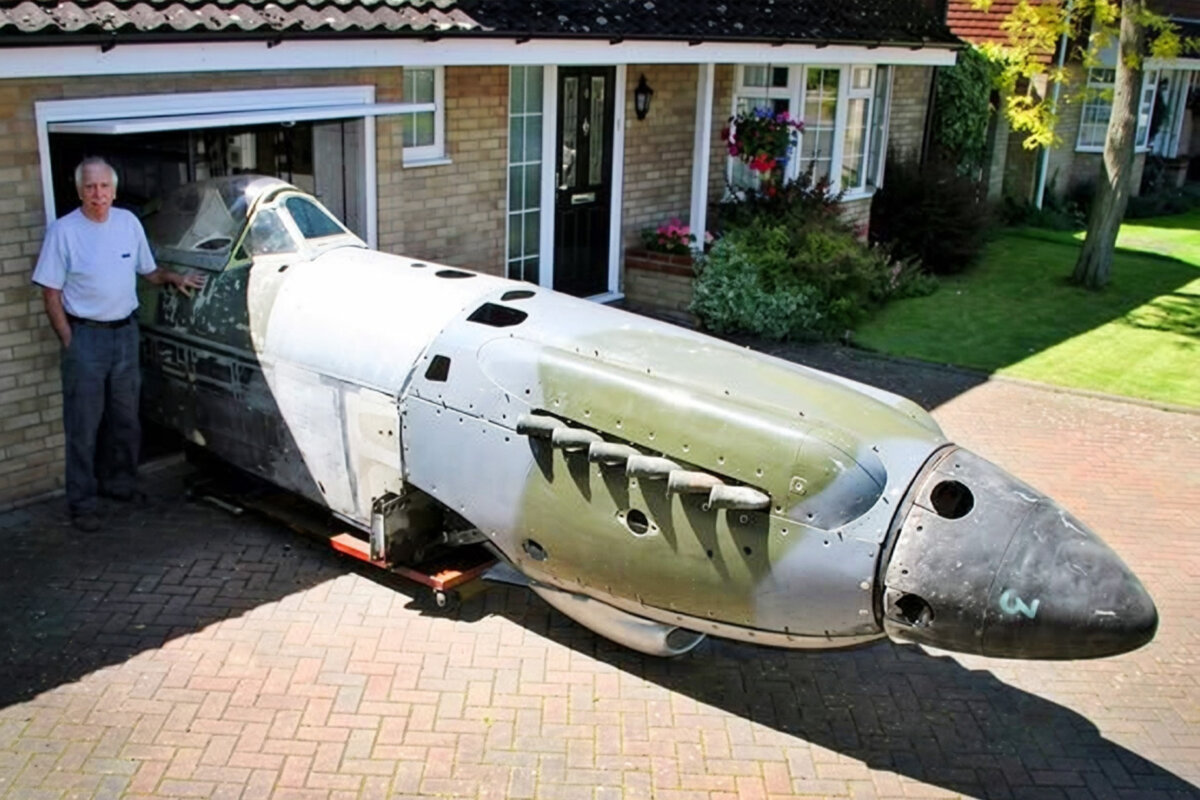
For 20 years, an unassuming garage in England was the secret home for a World War II fighter aircraft. Its owner was Peter Arnold from Buckinghamshire, who used to wheel the half-deconstructed husk of a Spitfire—Royal Air Force emblem and all—out onto his driveway to make his neighbors smile.
Arnold, who worked as an automotive engineer for Aston Martin for decades and who was beloved in the community of Spitfire enthusiasts, died in 2025 at age 83. Yet the legacy he left in the form of a partially restored Spitfire fuselage lives on—it sold at Dominic Winter Auctioneers on Oct. 8 for 18,000 pounds (roughly $24,000). The eccentric buy made headlines.
Years earlier, Arnold and his Spitfire had already begun spotlighting a trend in modern military heritage: the role private citizen-historians play in safeguarding history.
To trace Arnold’s passion for vintage fighters is to travel back to his childhood.
“Peter Arnold developed his love of aircraft from his school days at Harrow Grammar School,” says Henry Meadows, aviation specialist and auctioneer at Dominic Winter, speaking to The Epoch Times after the landmark sale.
“A stained glass window showing a Supermarine S.6B was displayed at their school. Peter Arnold would walk past it every day.”
The Supermarine S.6B was the earlier model before Arnold’s Spitfire rolled off the line.
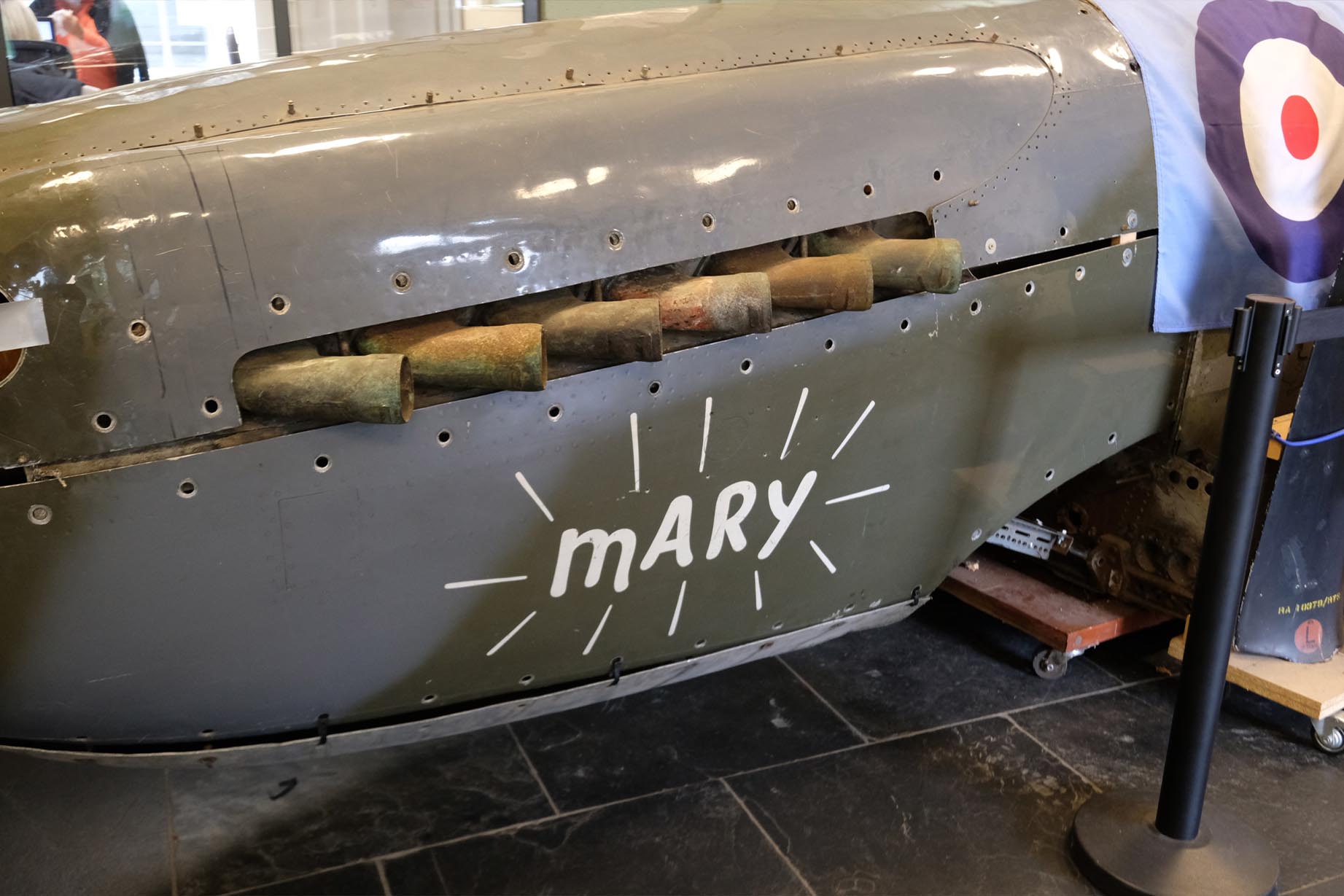 Peter Arnold’s WWII-era restored Spitfire fighter plane. (Courtesy of Dominic Winter Auctioneers)
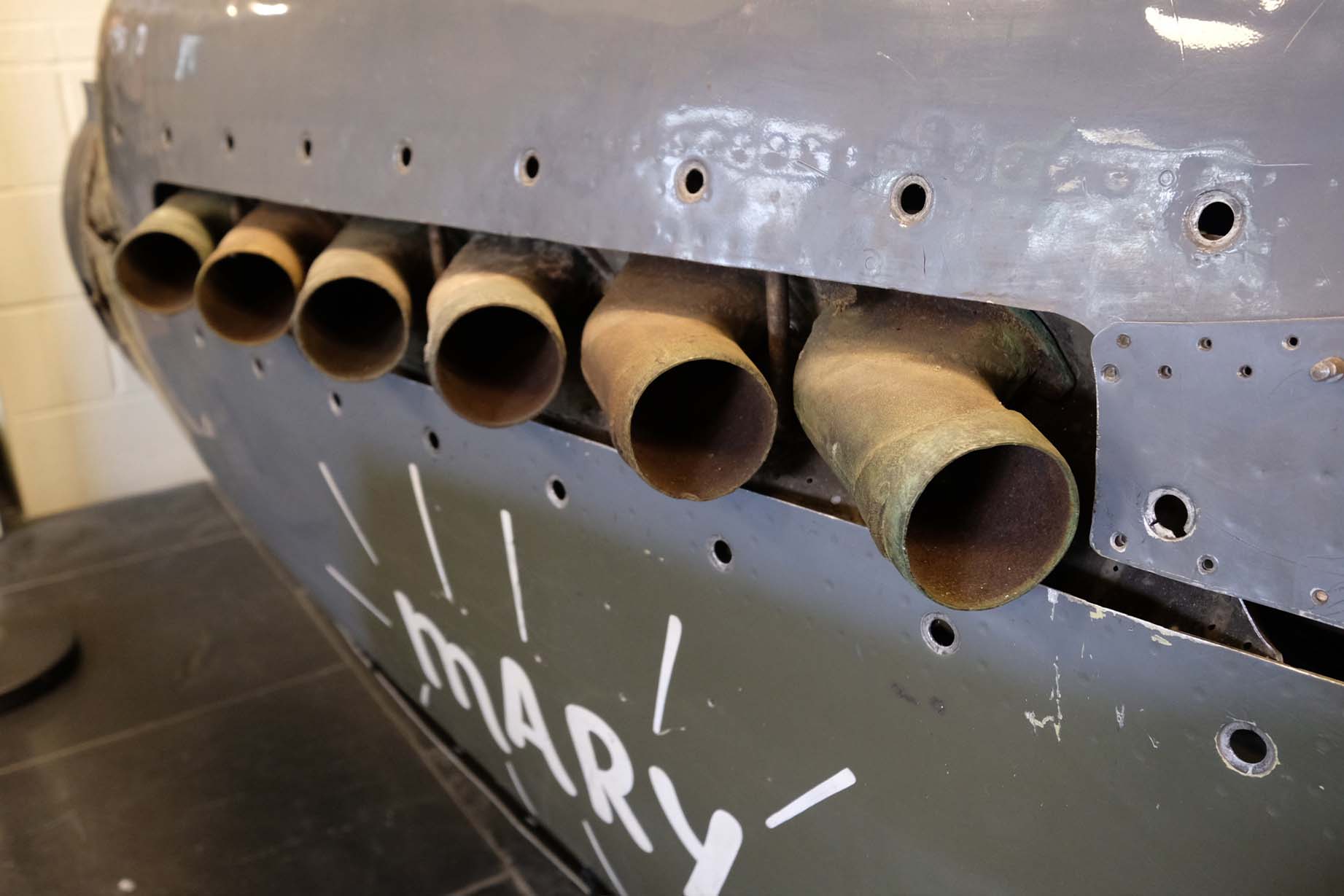 (Courtesy of Dominic Winter Auctioneers)
Spitfire lore echoed throughout his youth. Raised in the wake of the war, he saw decommissioned fighters and replicas guarding the entrances to English military bases. He grew up in South Harrow, not far from RAF Northolt in west London.
The Spitfire earned a reputation as a British defender, intercepting Hitler’s lethal Bf 109 fighter escorts during the Battle of Britain, leaving German bombers defenseless. Slower British Hurricane aircraft could then tear those bombers to pieces before they dropped their deadly payload on their mark.
Known as “Mr. Spitfire,” Arnold travelled far to admire Britain’s most iconic fighter plane. As a schoolboy, he bicycled up to 100 miles from his home to peruse famous crash sites. Decades later, he ultimately toured more than 260 surviving examples around the world. There was only one, at an air force base in Myanmar, that he didn’t visit.
Arnold personally identified more than 350 crash sites over the past half century. One day, he thought, why not salvage one?
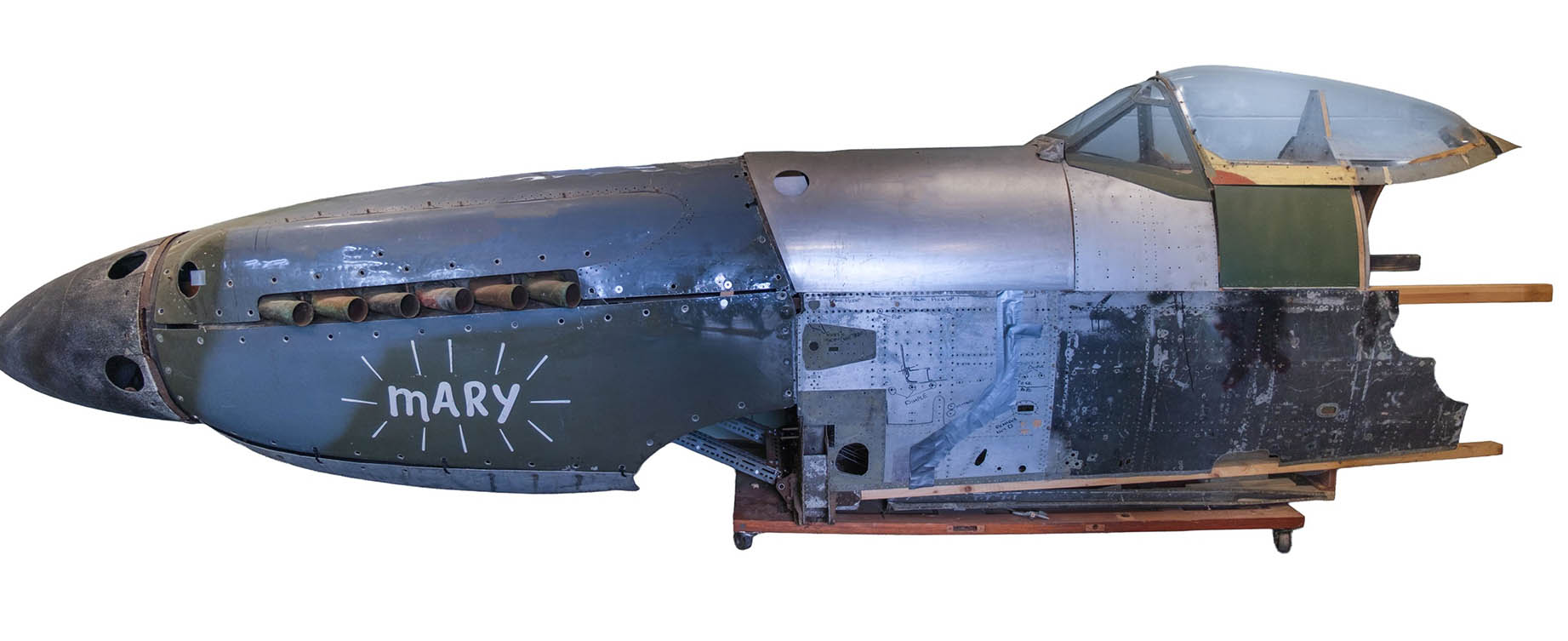 Arnold’s Supermarine Spitfire PK519. (Courtesy of Dominic Winter Auctioneers)
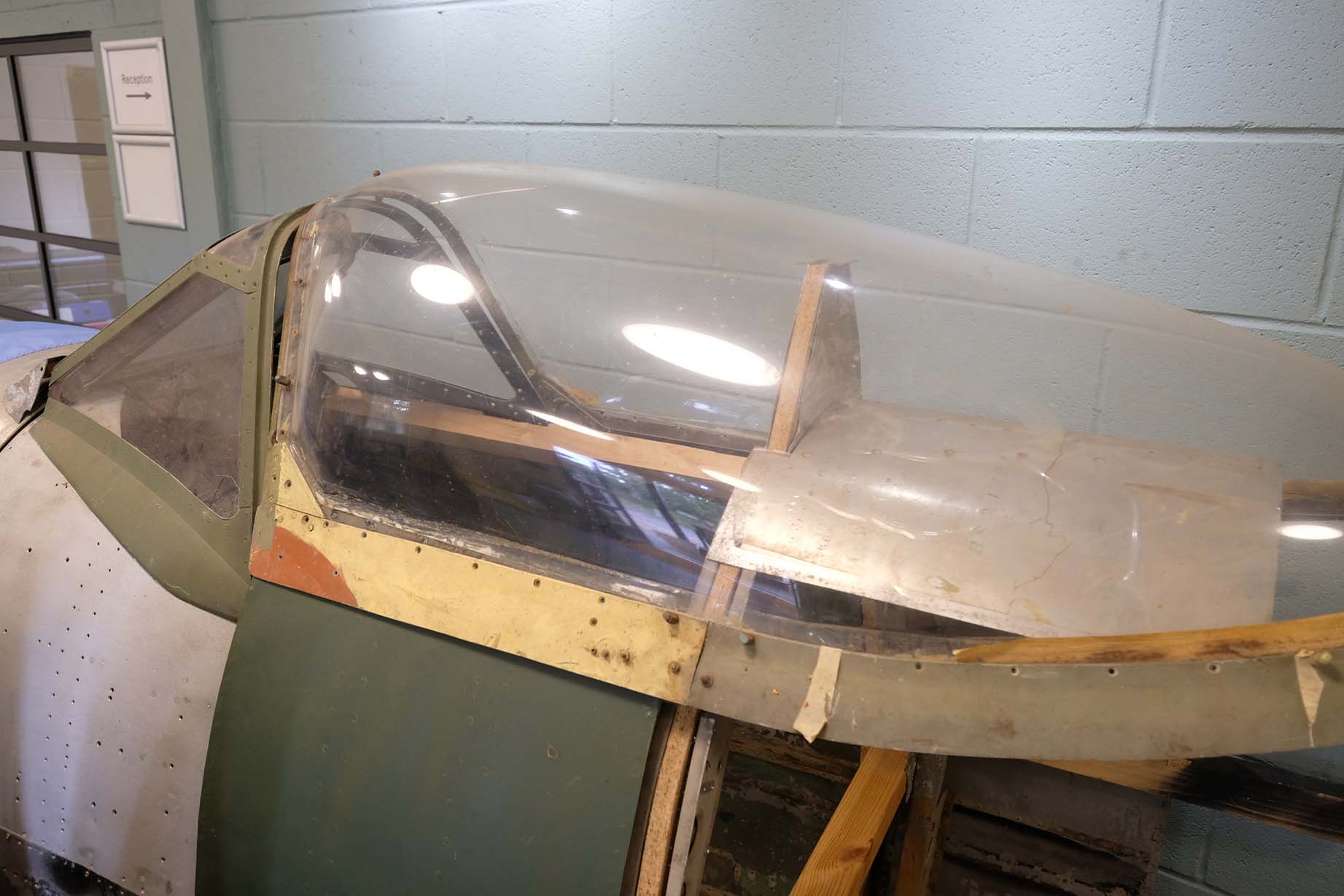 (Courtesy of Dominic Winter Auctioneers)
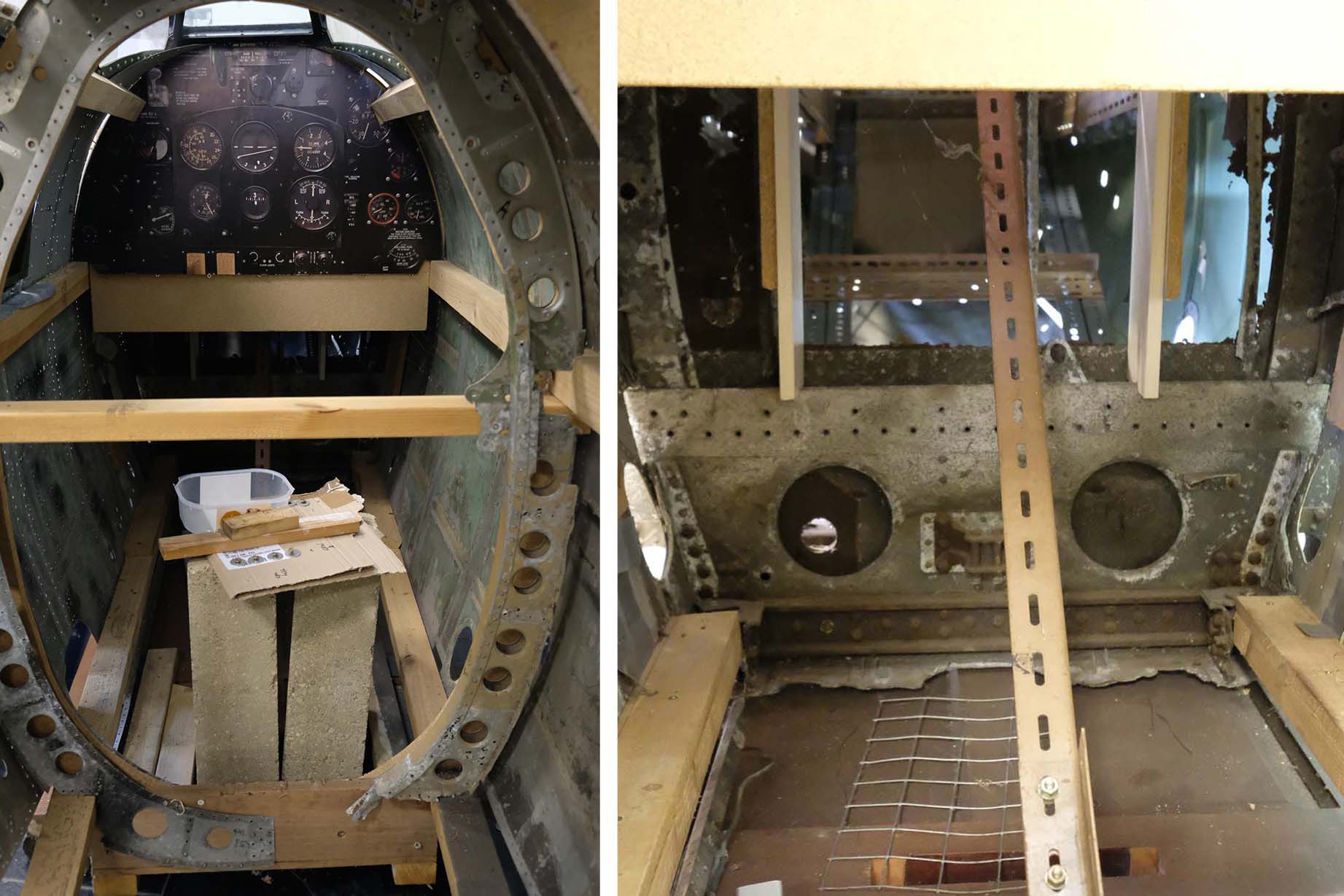 Details of the canopy and interior of Arnold’s Spitfire. (Courtesy of Dominic Winter Auctioneers)
Arnold’s restoration project culminated in the Spitfire F Mk. XXII, serial number PK519, that he acquired around 2003. He took the original cockpit section and canopy into his garage at his home in Newport Pagnell and outfitted it with scraps acquired from museums and stores. The intact Spitfire fuselage—minus the wings and tail—sat there for two decades.
He would sometimes wheel the restored plane out onto his driveway to spark up lively conversations. And spark it did. He was featured by the BBC and in aviation magazines.
“I just like it being here,” he told Aeroplane magazine in 2003.
The auctioneers at Dominic Winter wrote that he “enjoyed wheeling it out for all to see.”
They added that it was their “privilege” to offer Arnold’s collection. In addition to the Spitfire, Dominic Winter auctioned his vintage RAF sector clock from 1941, a massive Rotol propeller blade, a complete Spitfire instrument panel, and a vast library of aviation manuals from 1940–1968.
“The auction was a real buzz,” Meadows says. “The hope was that his collection could be appreciated by like-minded collectors for many years to come.”
In total, 20,341 Spitfires were built—more than any other British military aircraft before or after the war. Their cutting-edge propellor technology was the most advanced before the arrival of jet engines. Now they live on as the legends that outmaneuvered Hitler’s Luftwaffe.