SEARCH


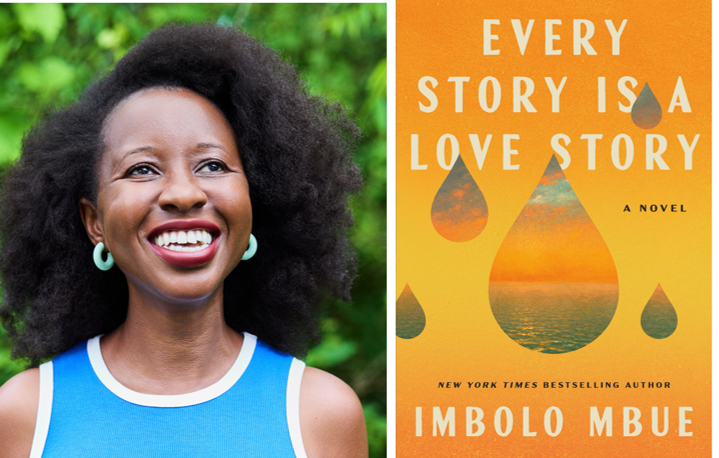
Author Imbolo Mbue originally hails from Limbe, Cameroon, but now is a very successful writer living in New York. Her debut novel, “Behold the Dreamers” (2016), followed a Cameroonian immigrant couple in Harlem. It was very well received, winning the PEN/Faulkner Award for Fiction.
Just like her debut, Mbue’s just-released third novel, “Every Story Is a Love Story,” centers on a Cameroonian–American family, but this time, the characters are established citizens living in New York and New Jersey.
Tragic Consequences
The majority of the plot follows two families bound together by tragedy. Three years before the story begins, a traffic accident killed Wolo Lifafa’s pregnant wife, Yoma, along with their unborn twins. No charges were ever brought against the driver of the car that killed them.
Wolo and his mother, Keka, never believed the police report, which says Yoma ran into the street. The loss devastated the Lifafas and the Munyenges, Yoma’s family in Cameroon.

The book opens with a letter from the driver, Victoria Snow. She describes her immense sorrow and asks to meet Wolo, hoping a conversation might bring him some closure. “Everything will never be all right,” Snow writes, acknowledging that she can never truly make amends. She’s not asking to meet to ease her own guilt, and she expects nothing in return (or so she says). “You owe me nothing. I owe you everything.”
Wolo hasn’t moved on with his life, and he hasn’t felt anything close to happiness since that morning. “Surviving … is a seven-headed beast that won’t go down easy,” he says. The letter reaches him through Shiraz, his brother’s best friend, who met Victoria by chance at a party.
Most people tell Wolo to burn the letter and ignore its writer, none more fiercely than his mother. Wolo isn’t sure he wants anyone’s advice on whether to read it: “How would they know if he should read it when they’d never worn his brand of pain?”
Even his pastor says to forget the idea. “I beg, don’t even waste one drop of the ink in your pen on this matter. … I got on my knees and prayed. I said, oh Papa God, protect Your child Wolo. Shield him from this wicked individual who took the beautiful wife and children You gave him.”
Despite their advice, Wolo eventually agrees to a meeting.
Beforehand, he faces a torrent of contradictions at war within himself. He’s not fully sure what he wants from this woman. He hopes he can forgive her, dreams of violence against her, wants to avoid her, longs for a peaceful resolution, and so on.
Is she, like his mother suggests, just doing this to assuage her own guilt, to re-victimize the Lifafas without any consideration of reopening old wounds? Or is there a chance that Wolo might finally be able to put his beloved to rest after this meeting?
Forgiveness Quest
“Every Story Is a Love Story” is a novel about forgiveness, both in terms of the struggle to forgive and the need to be forgiven. The biggest problem here is that it takes a long time to explore these ideas, and Mbue isn’t particularly successful when she tackles the issue directly.
The first few chapters start the book off very well; they’re vibrant and enthralling, as the letter rekindles the raw emotions from the accident in Wolo, in Victoria, and for their respective families.
Then, much like Wolo himself, Mbue seems uncertain as where to go next. Some chapters seem more like filler than furthering the point, particularly the flashbacks detailing Wolo and Yoma’s burgeoning relationship; these tend to stall the story’s forward momentum. A family’s politics in dealing with a gay family member also feels tacked on, more of a modern publishing requirement than an organic inclusion.
For the most part, Mbue touches on facets of forgiveness through Cameroonian and modern American perspectives. Then, as the plot progresses, Wolo finds an opportunity to travel the world, visiting places like the atomic bomb memorial in Hiroshima and Anne Frank’s house in Amsterdam. We even see how strangers confess their own wounds at a “forgiveness workshop” in upstate New York—all in service of exploring the theme.
Subplots veer down some ugly roads, and we encounter subjects such as rape and abortion. Wolo finds he must ask himself some difficult questions about his own past conduct, and he begins to wonder if he must make amends, as well. His efforts are mixed and ambiguous.
Viewed from a high altitude, “Every Story Is a Love Story” may seem like a comprehensive exploration of forgiveness, but it ultimately feels unfocused, grasping, and thereby frustrating. The result is a story that circles its subject more than addresses it. The late-stage plot twist asks us to forgive Mbue just as we are asked to forgive her characters; while the development feels admittedly contrived, it’s undeniably tethered to the book’s central theme.
Despite these flaws, readers unfamiliar with Cameroonian culture might find these character’s lives highly engaging and enlightening. Mbue’s an undeniably talented storyteller, and she infuses the narrative with a vibrant, authentic atmosphere.
Ultimately, “Every Love Story Is a Love Story” is a compelling novel—equally as fascinating in its ambitious scope as it’s frustrating in its uneven delivery.
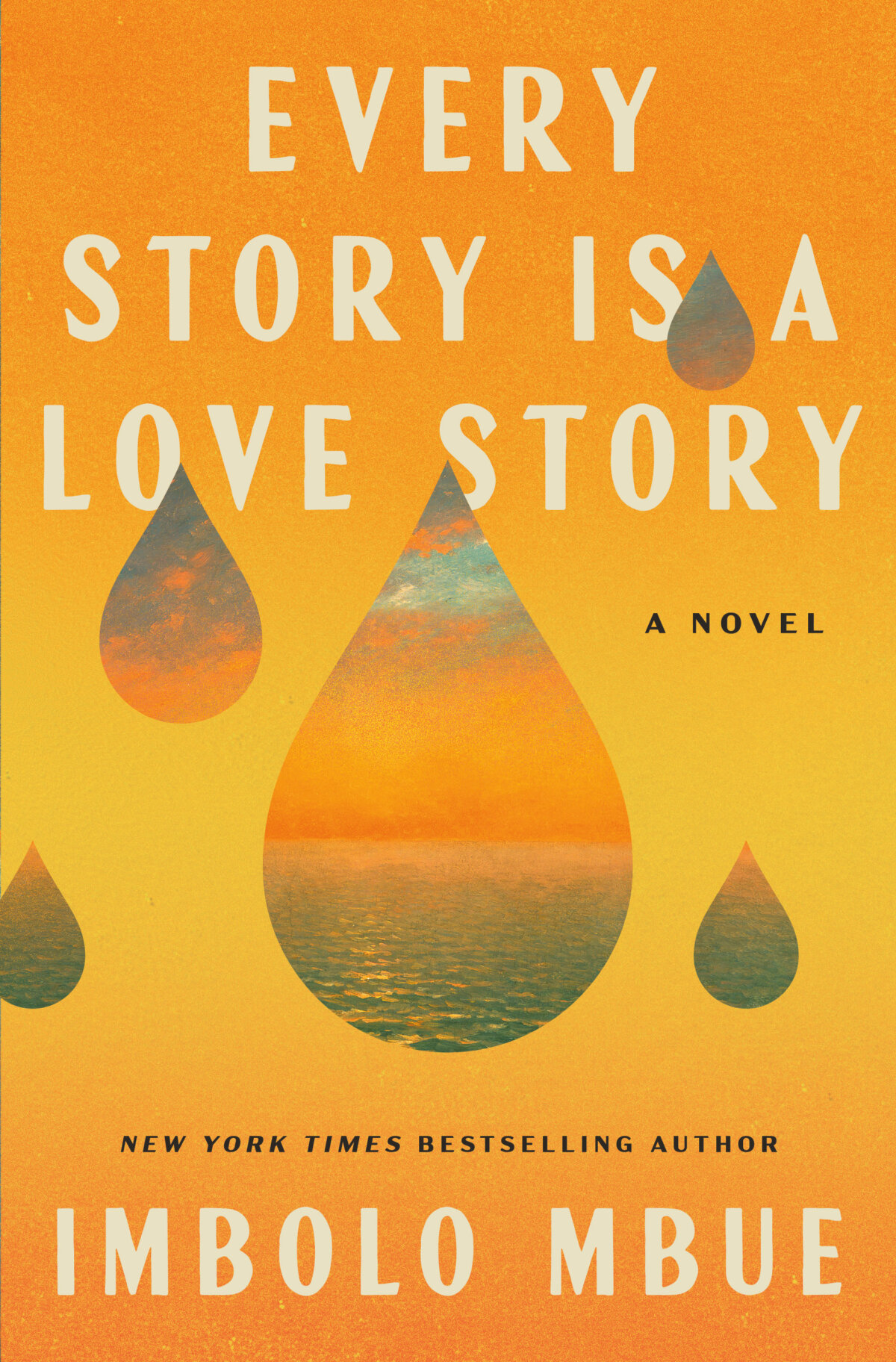
‘Every Story Is a Love Story: A Novel’
By Imbolo Mbue
Random House: Oct. 6, 2026
Hardcover, 352 pages
What arts and culture topics would you like us to cover? Please email ideas or feedback to features@epochtimes.nyc