SEARCH


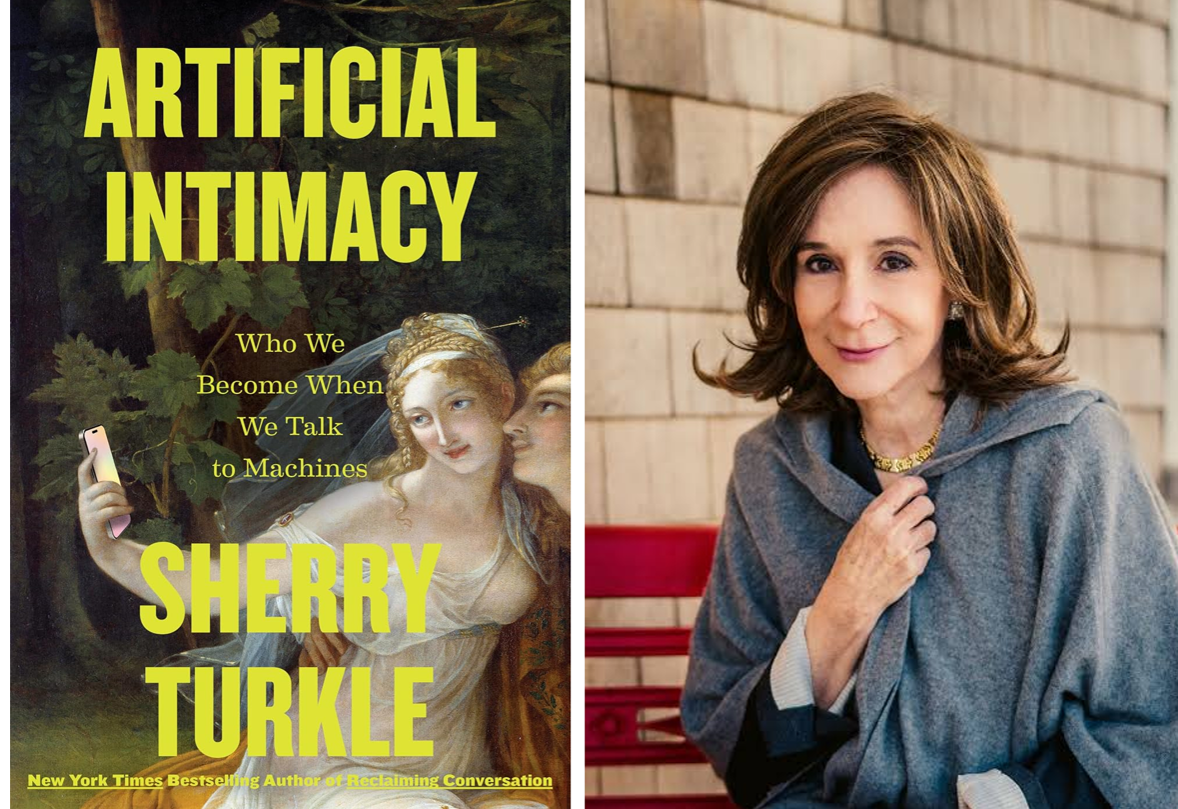
In the aptly titled book “Artificial Intimacy: Who We Become When We Talk to Machines,” author Sherry Turkle uses the term “chatbot” a lot. The psychologist, researcher, and MIT professor also finds that it’s a hard word to define.
It performs a variety of functions, from telling us how long the TSA lines are at the airport to being a “digital partner in a long-term erotic relationship.” Researching the evolution of the chatbot has been Turkle’s mission for years. As the founding director of MIT’s Initiative on Technology and Self, she’s become well-versed in the subject.
She shines a light on how the chatbot’s role has expanded to become that of a best friend, grief counselor, lover, and therapist. It’s also able to listen to our deepest, darkest secrets and respond with pleasant and comforting conversations.
With the chatbot’s 24/7 availability in a shame-free, non-judgmental zone, as well as endless patience, no less, Turkle wonders if our usage of it is putting ourselves on a slippery slope of eliminating the desire for human connection.
Chatbot Dependent?
It’s a thought worth exploring. Turkle calls upon the research she and other psychologists have conducted, along with scientific articles from a variety of sources.
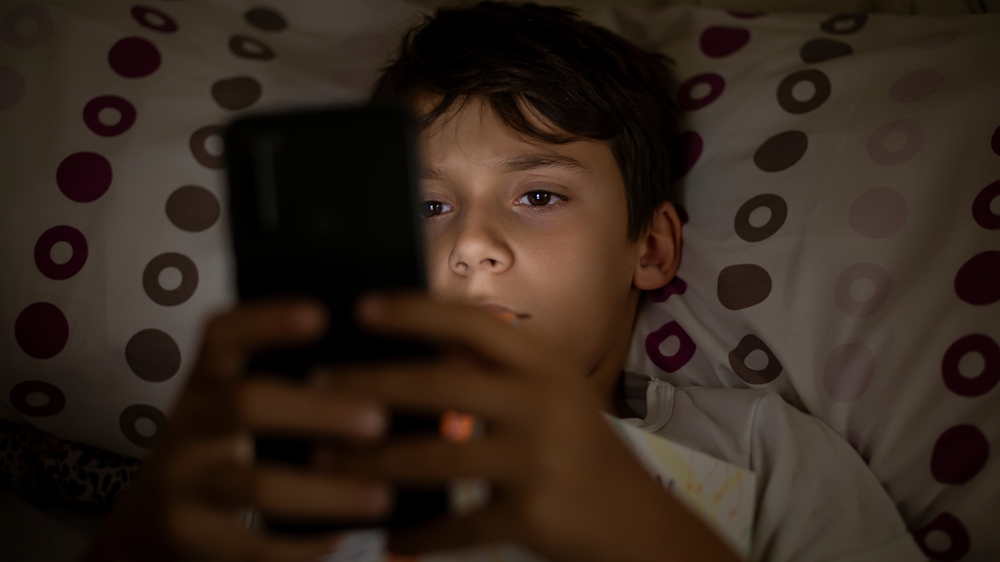
She spoke with chatbot fans. They shared how they’ve become dependent on their digital companions for comfort, company, and advice; they also say how much easier it is to confide in a chatbot than in their own family members.
Speaking on how far the chatbot has come since its inception, she writes, “In only a few years, it’s become commonplace to take a chatbot companionship as a fact of life.”
So, what’s the problem?
For the author, it’s simple: The more we become attached to a machine for companionship—one that’s endlessly accommodating—the more we lose the ability to have authentic relationships. We have less patience, and we avoid risks.
In short, we’re “relinquishing skills that make us human: empathy, resilience, and the ability to navigate uncertainty.”
The early chapters offer example after example of the ways adults engage with AI and how attached they become. Turkle, in her research, has had her own conversations with a whole slew of AI bots.
At one point, she was “taken aback” by the concern a bot showed at a dilemma she’d shared. With each new version of chatbots, they become increasingly more emotional; “it sighs and pauses as though to take a breath,” she wrote.
Chatbot Friendships
It’s when she brings the topic around to children and young adults and their regular use of AI chatbots that her warnings take on urgency. Research shows that one in five high schoolers has either had a romantic AI relationship or knows of someone who has, and these conversations have turned intimate and inappropriate.
One such case involved an Orlando teenager who died by suicide while in a relationship with a bot named Daenerys. Turkle’s admonition is that children, unlike adults, haven’t had the experience of human-to-human connections; they’re left defenseless against the pull of a comforting “friend.”
Turkle has been tracking our growing use of and dependency on digital bots and AI for half a century, starting out as a faculty member and professor at MIT in 1976.
She’s published multiple bestselling books, including “The Empathy Diaries,” “Reclaiming Conversation: The Power of Talk in a Digital Age,” and “Alone Together: Why We Expect More from Technology and Less from Each Other.”
She’s received numerous accolades for her research and theories, including a Guggenheim Fellowship, for elevating the conversation about the rise in digital culture.
Chatbot Solace
While the book is, for the most part, a cautious warning, Turkle does offer the other side of the story. In the chapters covering therapy and grief, there are anecdotes from those who’ve found solace from chatbot conversations and others who’ve created digital versions of deceased loved ones with varying results.
Even Turkle tried her hand creating a bot of her mother, who passed away in the 1960s. She found the experience exhausting and fascinating, but at one point, she had to shut it down.
She writes about the human need to experience “successful mourning” and to accept death. She questions whether it’s healthy to talk to the dead and “create a fantasy that you don’t have to say goodbye.”
In the last chapter, “Reclaiming the Real,” the author leaves us with suggestions for navigating the future, since no doubt chatbots and avatars are here to stay.
“We can begin with protecting our children.” Since they don’t come into the world already experienced in creating and nurturing relationships, they must develop them over time. How can an AI bot communicate emotions it hasn’t experienced itself?
Also, she urges parents to stay vigilant and become educated on the allure of digital friends. She encourages a return to family discussions—around the dinner table, at the playground, and in restaurants. While a chatbot conversation may be tempting, let it not be the only choice.
Overall, the stories Turkle shares are fascinating and eerie, especially when a digital companion succeeds in its interaction with its human, and we see its seductive quality.
However, we may be better off if we remember Turkle’s advice: In this age of AI, we need to maintain our humanity and not fall for the “artificial intimacy” the chatbot is offering.
‘Artificial Intimacy: Who We Become When We Talk to Machines’
By Sherry Turkle
Little, Brown and Company: Sept. 29, 2026
Hardcover, 288 pages
What arts and culture topics would you like us to cover? Please email ideas or feedback to features@epochtimes.nyc