SEARCH


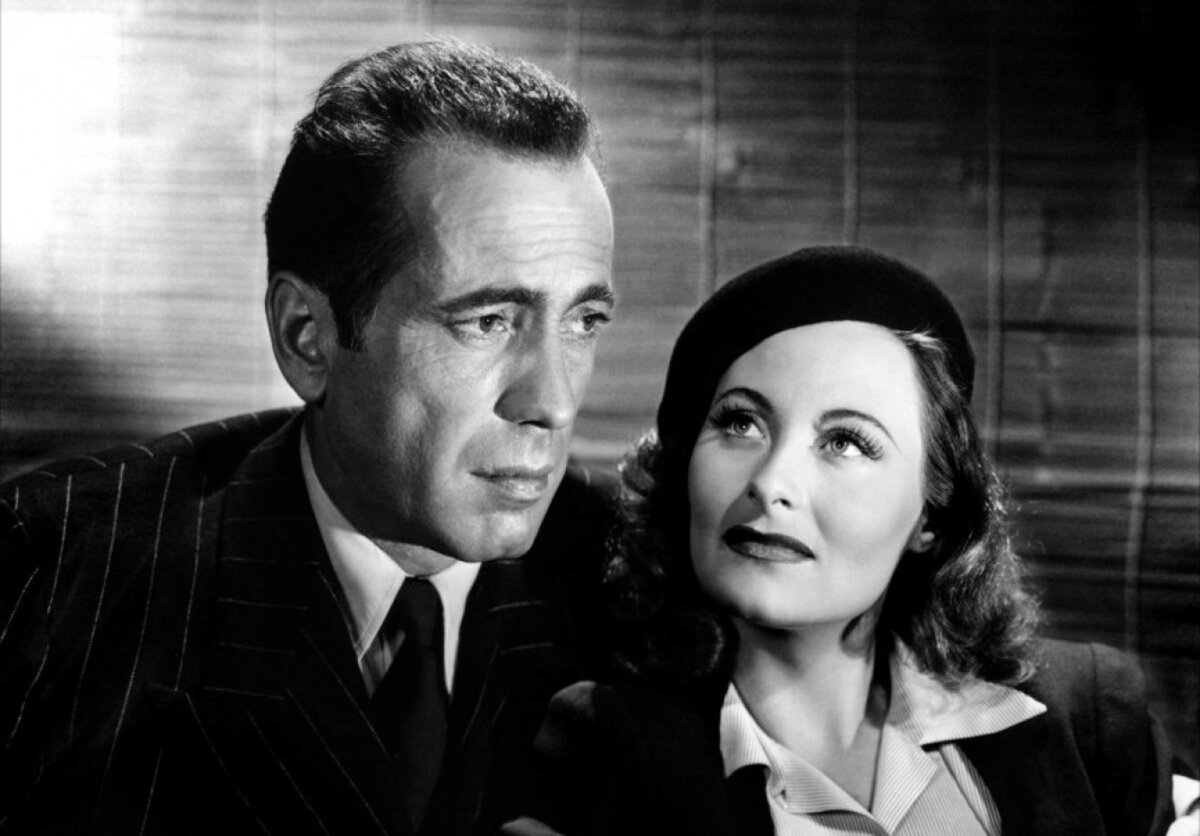
NR | 1h 49m | Adventure, Romance, War | 1944
Films such as “The Maltese Falcon” (1941) had indelibly scorched Humphrey Bogart’s image as a hard-boiled detective into the minds of many moviegoers.
Perhaps he could also be Hollywood’s king of adventure films. The man seemed comfortable hunting for gold in the Mexican mountains, piloting a battered riverboat, or commanding a tank crawling across the desert.
Films such as “The Treasure of the Sierra Madre” (1948), “Sahara” (1943), and “The African Queen” (1951) are among a collection of dangerous excursions. Added to these is “Passage to Marseille” (1944).
This adventure sends Bogart into the turmoil of war, with enough trouble awaiting him to make a private detective’s caseload seem like a vacation.
Director Michael Curtiz and Warner Bros. reassembled a considerable portion of the talent responsible for “Casablanca” (1942), including Bogart, Claude Rains, Sydney Greenstreet, and Peter Lorre. The result is an ambitious production that packs several adventures into the running time of one.
When “Passage to Marseille” arrived in American theaters in March 1944, Nazi Germany still occupied much of France and the Allied invasion of Normandy was nearly three months away.
For France, Whatever the Cost
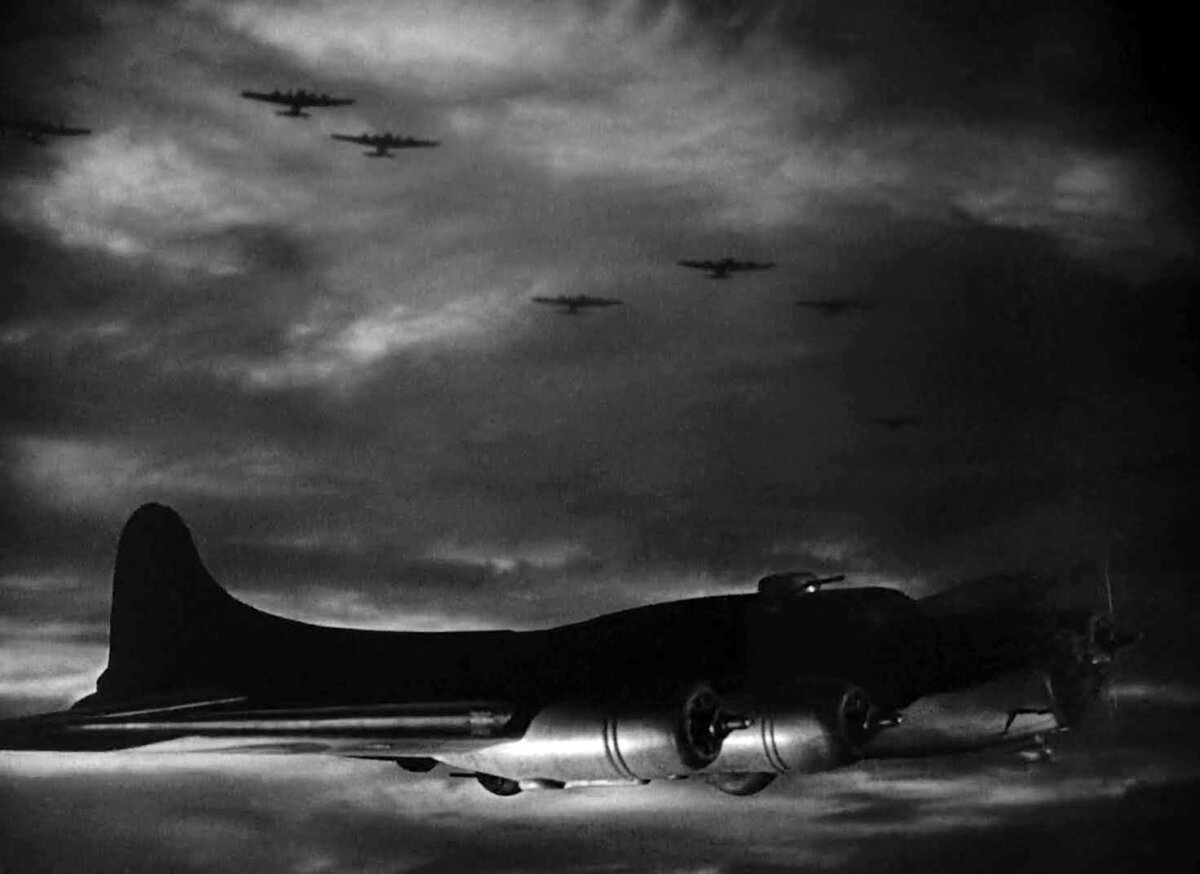
The story begins at a concealed Free French airfield nestled in the sumptuous English countryside during World War II; there, Captain Freycinet (Rains) welcomes war correspondent Manning (John Loder).
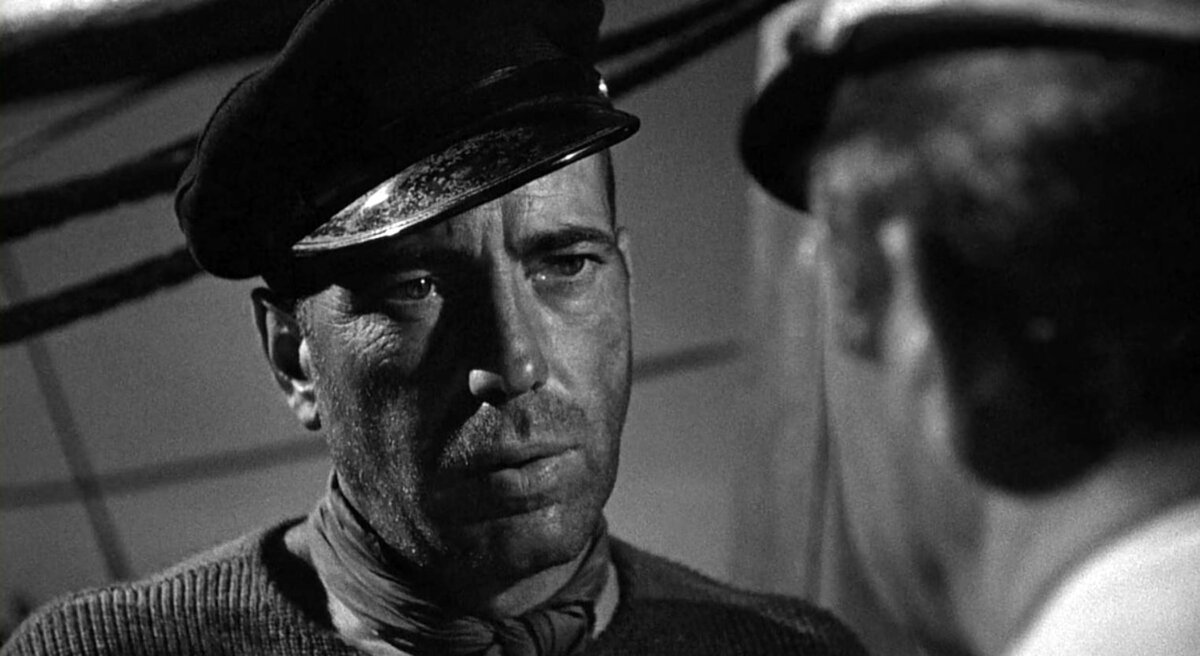
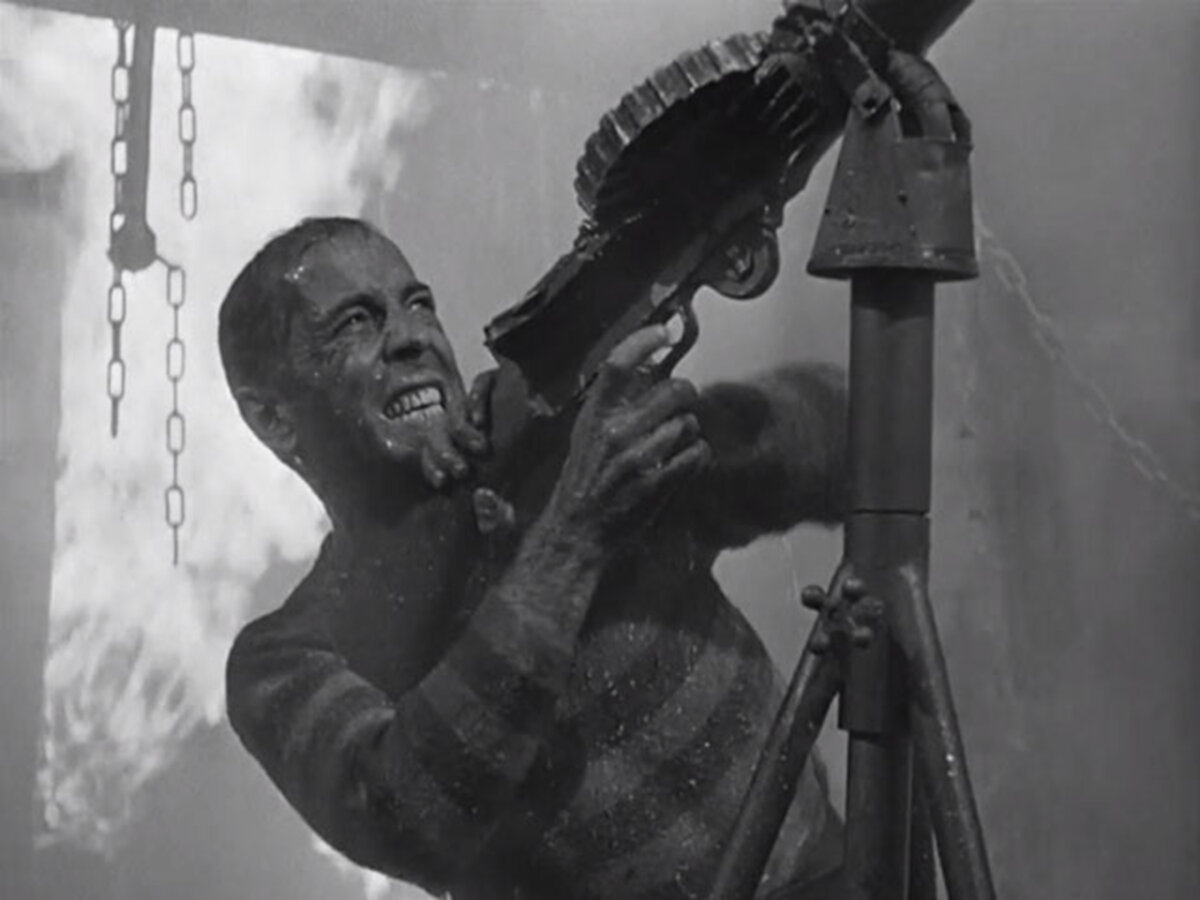
Among the bomber crews is Jean Matrac (Bogart), a machine gunner with an interesting past. Curtiz tells this story through a unique arrangement of flashbacks within flashbacks.
Freycinet’s account takes us back to an earlier voyage aboard a French freighter called the Ville de Nancy bound for Marseille; there he first encounters Matrac after the crew rescues five men drifting out at sea. The group claims to be Venezuelan miners, but the pompous Major Duval (Greenstreet) suspects otherwise, and naturally, he has plenty to say about it.
In reality, the five are escapees from the notorious Devil’s Island penal colony in French Guiana, South America. With the help of an elderly patriot, Grandpere (Vladimir Sokoloff), they have fled, hoping to fight for France. Matrac, a former Paris newspaper editor framed for murder after condemning French concessions to Hitler, also hopes to reunite with his wife, Paula (Michéle Morgan).
As news of France’s surrender arrives, the freighter’s captain, Malo (Victor Francen), clashes with Duval over the ship’s destination. With Germany advancing and valuable cargo aboard, the voyage becomes increasingly perilous, especially once the Germans take an interest in their vessel.
Studio Backdrops
For this film, Warner Bros. constructed a full-sized merchant vessel modeled after the Ville de Nancy, reportedly taking three months to complete. The tropical surroundings of French Guiana were also recreated with artificial jungles and prison sets, giving director Curtiz plenty of convincing scenery in which to torment his unfortunate characters.
James Wong Howe’s black-and-white cinematography makes excellent use of it all, while Max Steiner’s stirring score adds to the adventure. Apparently, Hollywood could manufacture practically anything in those days, including a sizable portion of South America.
Some minor drawbacks are also present. Bogart’s scenes with Michéle Morgan might have been explored more. Also, his customary American accent also remains firmly intact, despite his character being French. Perhaps the studio figured audiences would recognize Bogart’s voice anywhere and considered that sufficient.
Supporting players help the story out enormously. Greenstreet makes Duval such a tiresome fellow that one begins to sympathize with anybody condemned to share a dining table with him. Rains handles Freycinet’s considerable storytelling responsibilities with his usual ease. Francen gives Captain Malo the bearing of a man accustomed to commanding his own ship.
Curtiz keeps the proceedings moving through prison escapes, maritime dangers, and aerial combat, providing plenty of old-fashioned adventure along the way.
Although France has endured its share of jokes about surrendering during the conflict, such wisecracks overlook what the country had already suffered through during World War I. More than 1.3 million French soldiers were killed and millions more wounded.
Barely two decades later, France faced another German invasion while its population was still living with the previous war’s consequences. Despite France’s surrender in 1940, thousands of Frenchmen continued fighting along with the other Allies.
The film’s opening is dedicated “to millions of Frenchmen, France has never surrendered.” Released while their struggle was still underway, “Passage to Marseille” pays a fitting tribute to those who refused to abandon their homeland.
“Passage to Marseille” is available on Apple TV, Amazon, and HBO Max.
‘Passage to Marseille’
Director: Michael Curtiz
Starring: Humphrey Bogart, Claude Rains, Michèle Morgan
Not Rated
Running time: 1 hour, 49 minutes
Release Date: March 11, 1944
Rated: 4 stars out of 5
What arts and culture topics would you like us to cover? Please email ideas or feedback to features@epochtimes.nyc