SEARCH


NR | 1hr 52m | Drama, Thriller | 2026
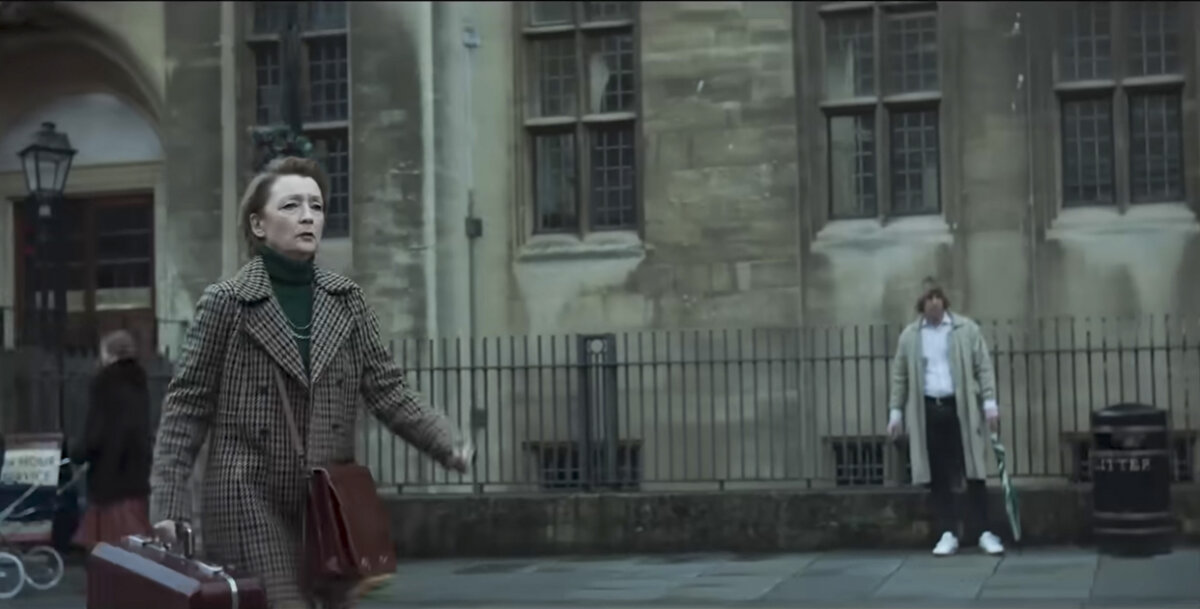
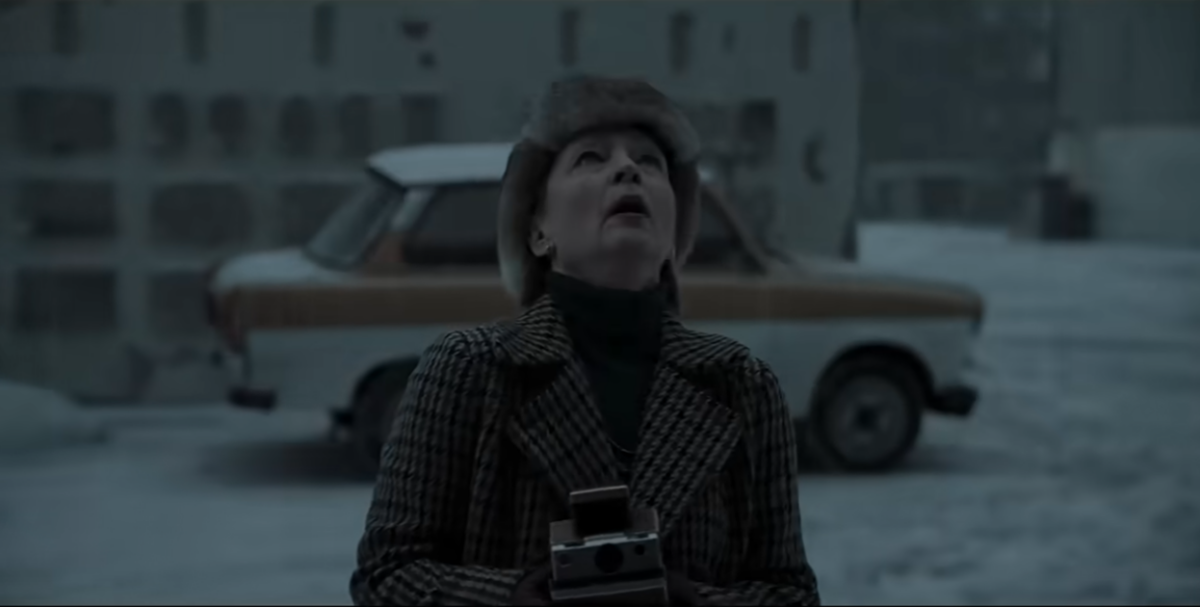
Polaroids were the selfies of the 1980s, but they required film, so you could shoot only so many pictures with one cartridge. Professor Joan Andrews (Lesley Manville) happens to take a series of potentially explosive Polaroid photos during the first morning of martial law in 1981 Poland. The photos capture evidence of the murder of a Solidarity-aligned activist at the hands of the secret police.
She also becomes a priority target in Kasia Adamik’s suspenseful “Winter of the Crow,” loosely adapted from Nobel Laureate Olga Tokarczuk’s short story “Professor Andrews Goes to Warsaw.”
Admittedly, Andrews is not very politically savvy, even by the standards of academic elites. Beyond the bitter cold of Poland’s winters, anyone following the news would understand that December 1981 was a less-than-ideal time to visit the communist nation.
The regime was already arresting opposition leaders, especially members of the Solidarity democracy movement, while preparing to launch martial law on Dec. 13, 1981. Yet Andrews accepts an invitation to a psychology conference in Warsaw, without considering the political climate.
Then she is rather peeved when her speech (the night of Dec. 12) is interrupted by student protesters, led by Marek (Jakub Guszkowski); Marek likens life under communism to confinement in a mental asylum.
The professor will be further annoyed to discover that she must stay alone (with only a bottle of vodka) in a borrowed flat, instead of at the international hotel, because her hosts have no money. Consequently, she has no one to translate news of the new martial law edicts when she wakes the next morning.
The tanks on the street are her first clue that something is amiss. Somehow, she evades the soldiers searching door-to-door for her student contact from the university, Alina Wachowiak (Zofia Wichlacz). Tragically, they find Wachowiak’s brother Marek instead.
With her Polaroid camera, Andrews documents Marek’s death when police throw him out the window. However, by photographing Marek’s murder, she becomes the secret police’s most wanted fugitive. Fleeing on foot, Andrews tries to reach the only other contact Wachowiak gave her, Wachowiak’s uncle Henryk (Andrzej Konopka), who ardently supports Solidarity.
It is definitely fair to ask what Andrews expected from communist Poland, but her obtuseness is sort of the point. Throughout “Winter of the Crow,” the spoiled academic must confront the life-and-death realities of communist oppression, which she never really considered before. Indeed, the film’s events constitute a rude awakening for Andrews.
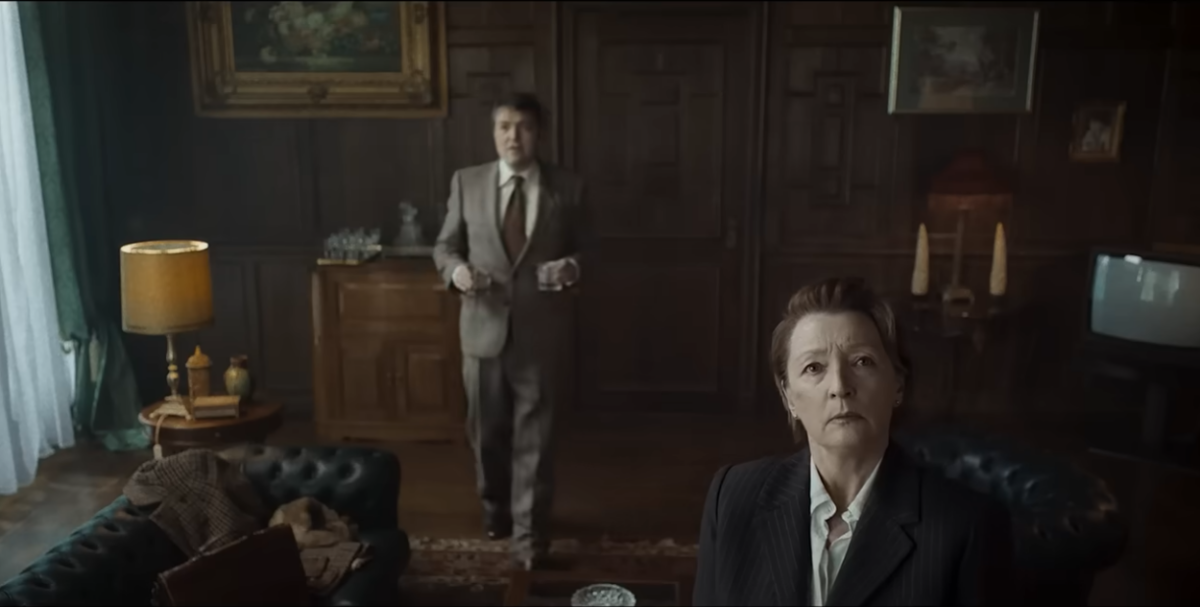
Adamik also fittingly emphasizes the dystopian nature of communist Poland by envisioning Warsaw as a labyrinth of grim concrete housing projects and government office buildings. The immersive craftsmanship of the set and art design teams created an eerily effective period production. Every aspect of the city looks drably sinister, yet very much appropriate to the era.
The film slyly uses the crows from Andrews’s nightmares as a striking visual motif and an allegory for the terror of martial law. As Wachowiak explains to her, the symbolism is aptly ironic because WRON, the Polish acronym for the new military junta under martial law, sounds similar to the Polish word for “crow.”

Manhunt Thriller
Despite Andrews’s flaws, “Winter of the Crow” successfully hooks the audience as a tense manhunt thriller. The professor’s ignorance further heightens the sense of jeopardy. Adamik often incorporates telling details that convey the tenor of those harsh times, such as when Andrews resorts to standing in ration lines for the collective body heat.
Manville delivers a daring performance, fully embracing Andrews’s unsympathetic, unself-aware behavior throughout much of the film. Tanks are literally crushing dissent on the streets, yet she persists in seeing herself as the victim. Watching her slowly grasp the enormity of the events unfolding around her is exasperating, yet also strangely fascinating.
The Polish supporting cast is first-rate, particularly Konopka, as the grizzled old Uncle Henryk. He embodies the working-class grit of the original Solidarity activists.
Similarly, Wichlacz acutely captures the Polish people’s pain and frustration with life under communism. Tom Burke adds a touch of humor as the unnamed British ambassador, who might not be as befuddled as his civil service consular staff assumes.
“Winter of the Crow” arrives at a timely moment. It shines a spotlight on the ruthlessness of totalitarian regimes and celebrates Solidarity’s courageous idealism. The bold imagery and taut atmosphere of paranoia really grab the audience’s attention.
This is one of the better Cold War-era thrillers in some time, and an unusually thoughtfully rendered film. Highly recommended for intelligent audiences.
“Winter of the Crow” releases in theaters Oct. 9.
‘Winter of the Crow’
Director: Kasia Adamik
Starring: Lesley Manville, Zofia Wichlacz, Andrzej Konopka, Jakub Guszkowski, Tom Burke
Not rated
Running Time: 1 hour, 52 minutes
Release Date: Oct. 9, 2026
Rated: 4 1/2 stars out of 5
What arts and culture topics would you like us to cover? Please email ideas or feedback to features@epochtimes.nyc