SEARCH


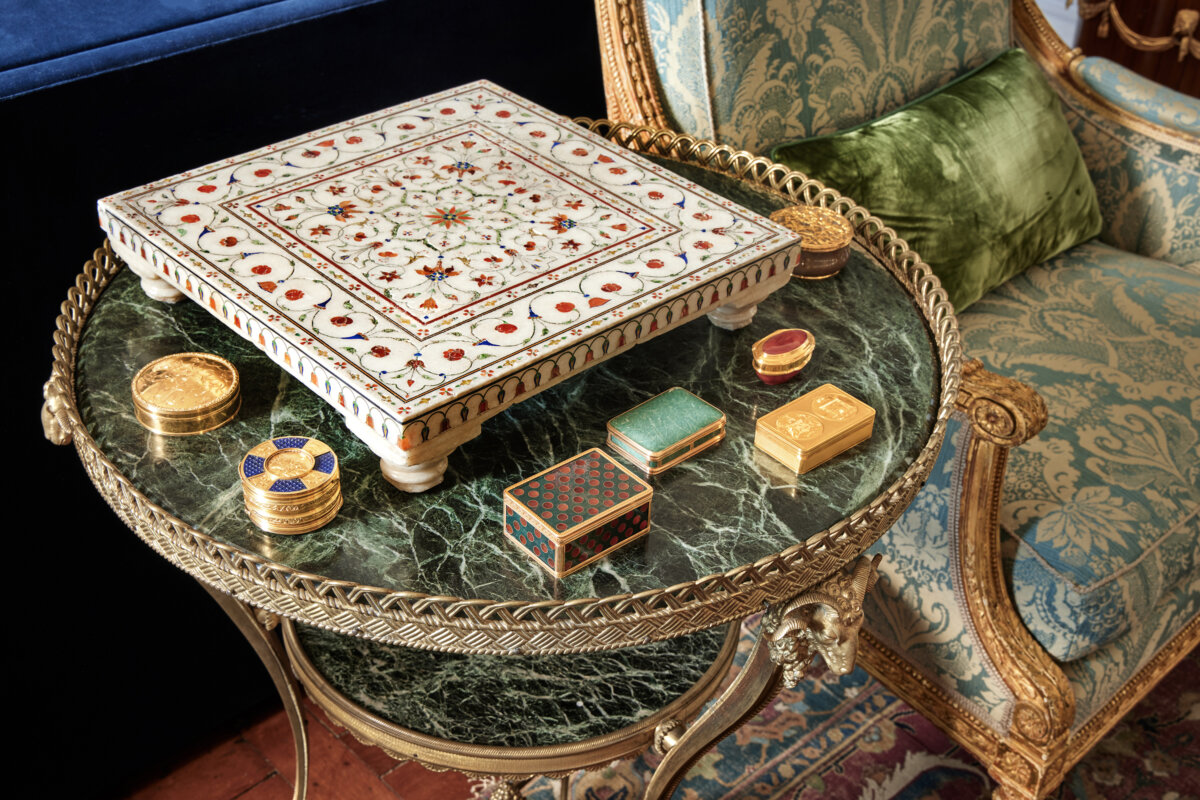
A unique private collection of art and objects dating from the classical world to the modern era will begin to be auctioned at Sotheby’s New York from Oct. 21 to 23. This diverse yet interconnected assemblage that was collected over decades, will first be presented in a single-owner series of sales this month. The public exhibition runs Oct. 17 to 22.
As a whole, “Magnum Opus: A Private Collection of Exceptional Art and Objects Through the Ages” contains over 900 works from more than 25 categories, including ancient sculpture, old master paintings, Islamic works of art and carpets, French furniture, and 20th-century art and design. Sales will continue through the rest of 2026 and go into 2027.
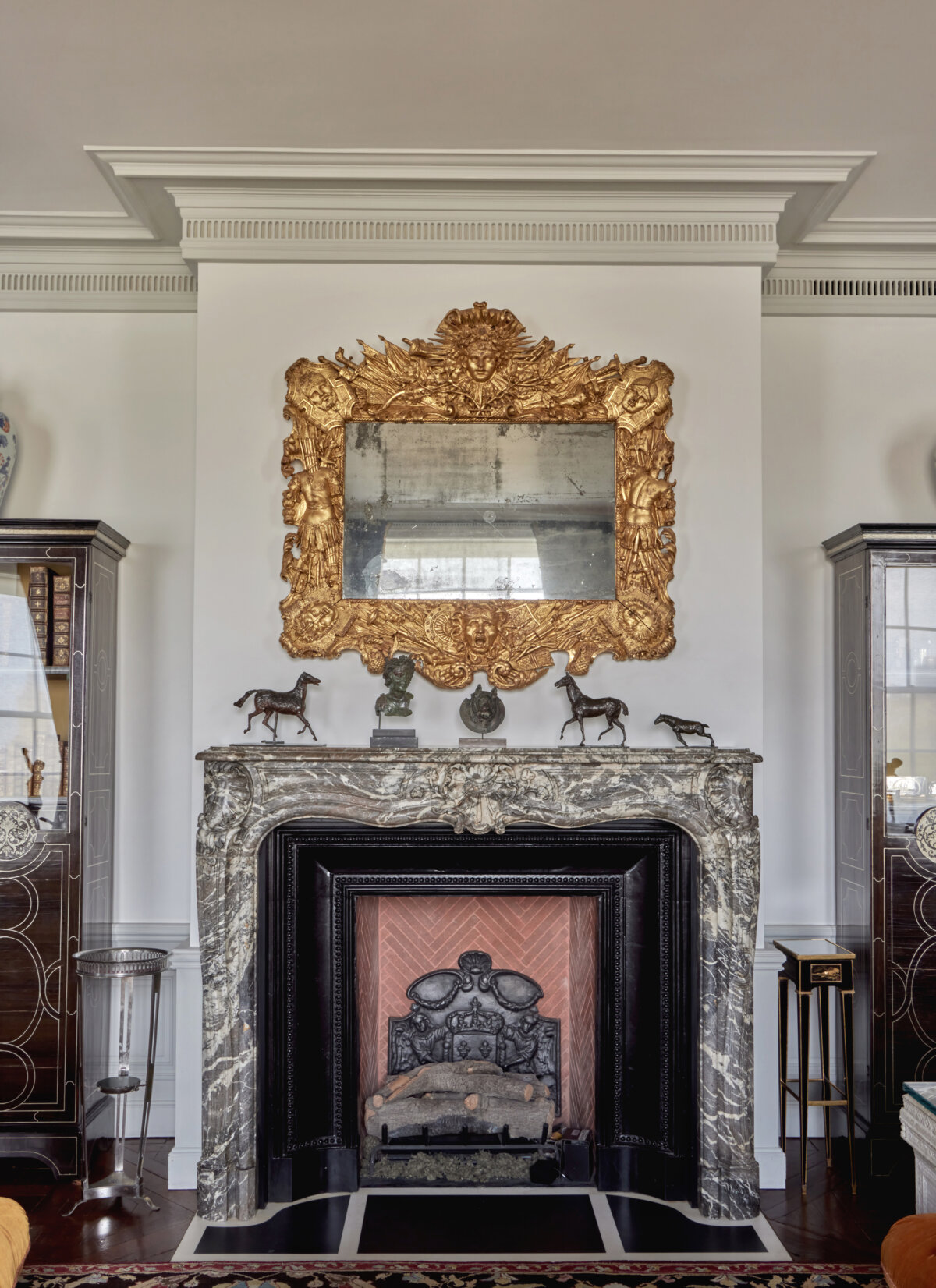
The works on offer in the October sales have been grouped into four thematic auctions and are estimated to realize in excess of $60 million. The October 21st evening auction contains the collection’s most outstanding masterpieces. The following artworks are some of the highlights from the first themed auction.
Ancient Sculpture
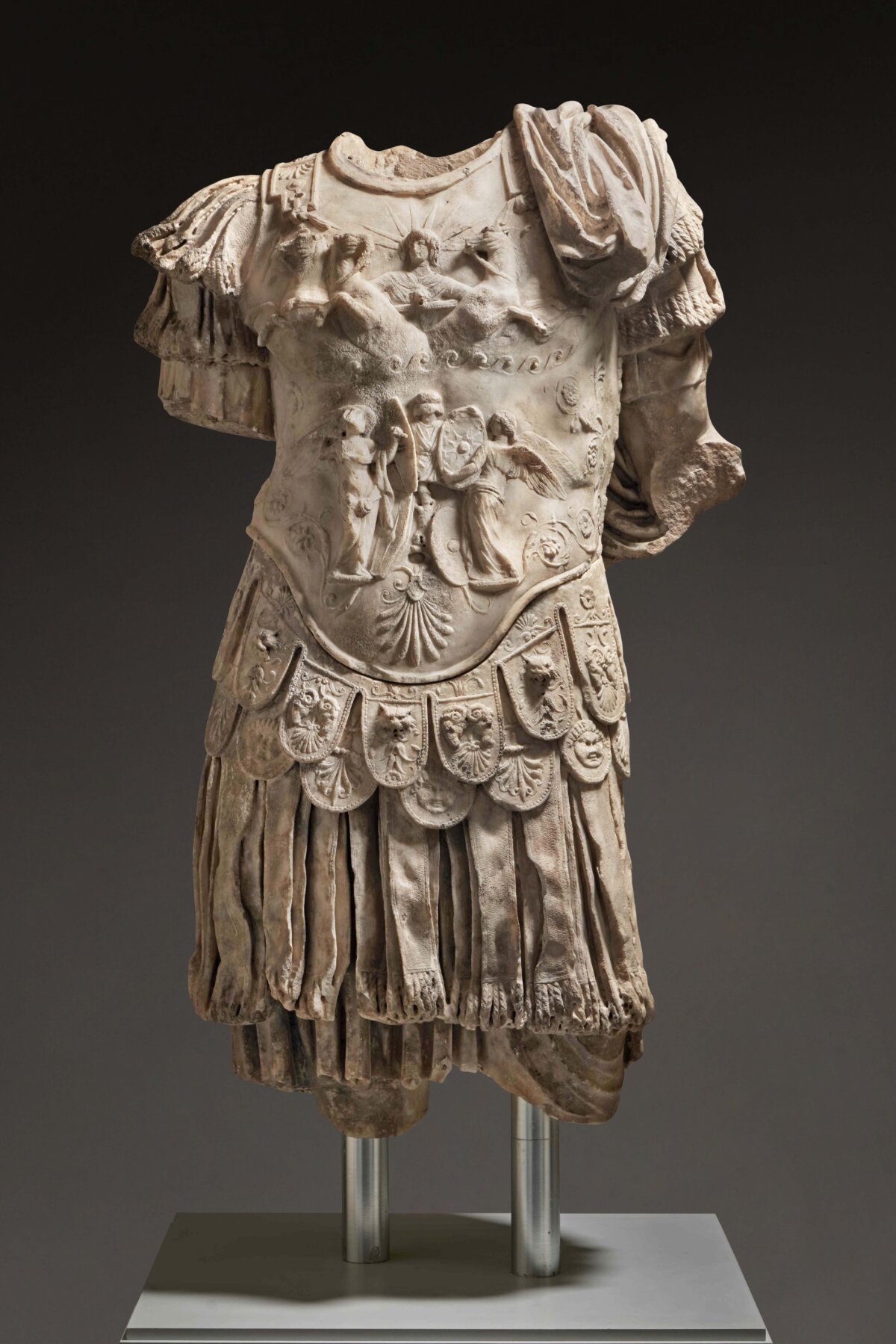
The leading lot is a larger-than-life “Marble Torso of an Emperor, Roman Imperial, Julio-Claudian,” from the first half of the 1st century. Its estimate is $8 to $12 million. Depicting the armor-clad marble torso of a Roman emperor, likely Augustus, Tiberius, or Claudius, this Roman Imperial sculpture is the only known example of its kind still in private hands. In pristine condition and with a well-documented provenance, the statue stood likely in a temple near modern-day Split, Croatia. However, the sculpture’s workmanship, from its extraordinary carving and detail to its naturalism and liveliness, points to Rome as its place of creation.
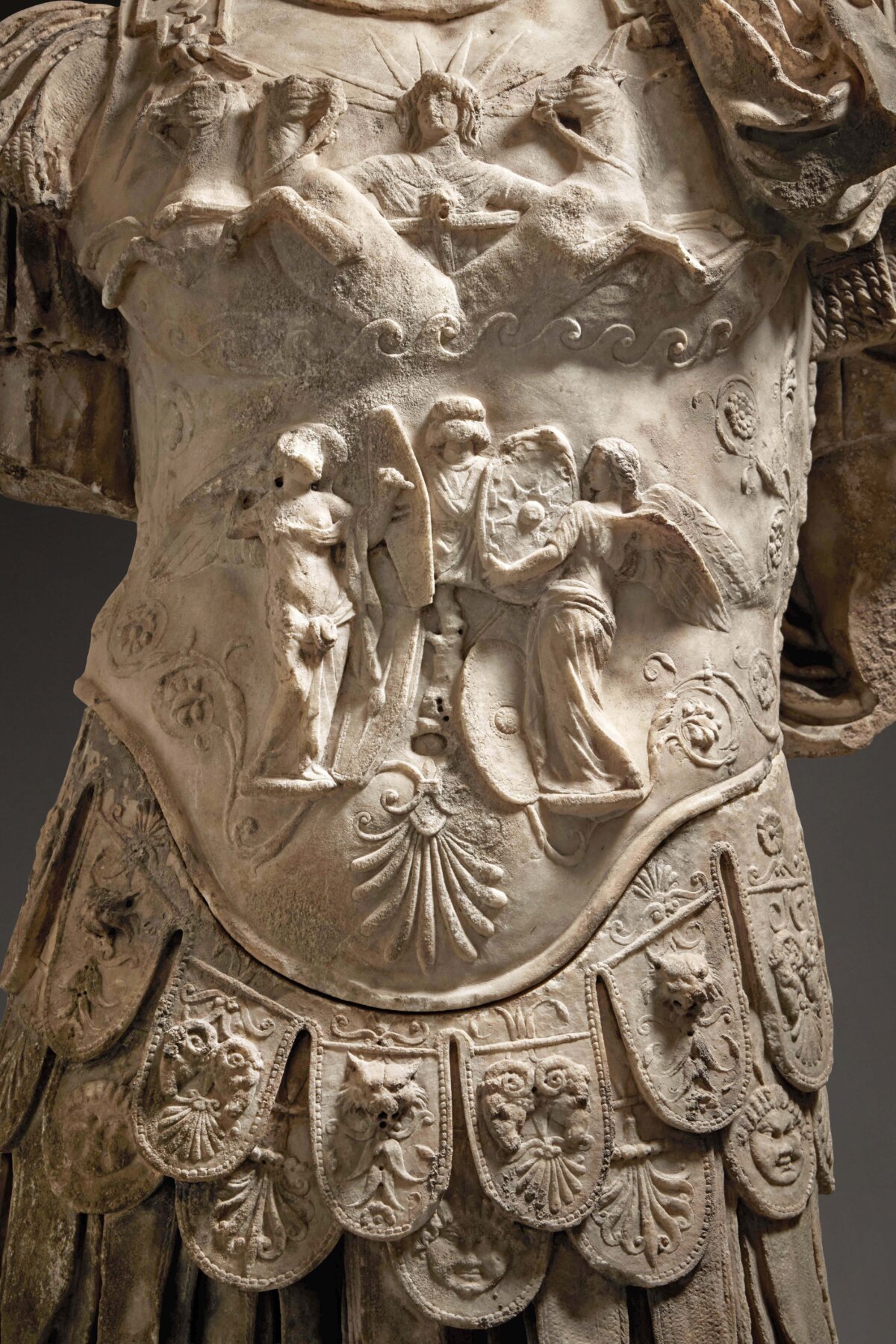
Scientific analysis of the high-quality marble reveals that it came from quarries on the Greek Aegean island of Paros. This was typical for imperial commissions and representations. The symbolic imagery on the cuirass—a breastplate and backplate fastened together—shows the sun god Sol on his chariot above winged Victories flanking a trophy. These visuals aid in communicating the emperor’s status and accomplishments.
The collection’s counterpart to the martial, masculine torso is an Augustan marble portrait head of a girl, 27 B.C. to A.D. 14, which carries an estimate of $2.5 to $3.5 million. Inspired by youthful images of Emperor Augustus’s wife Livia, it is one of the most exquisite female portrait heads from antiquity to be offered at auction in decades. Highly detailed with softly modeled features, this sculpture was almost certainly made in one of Rome’s greatest workshops. The superb artistry on display is rare; even portraits of members of the imperial family are not usually as fine as this marble head. It is also in excellent condition.
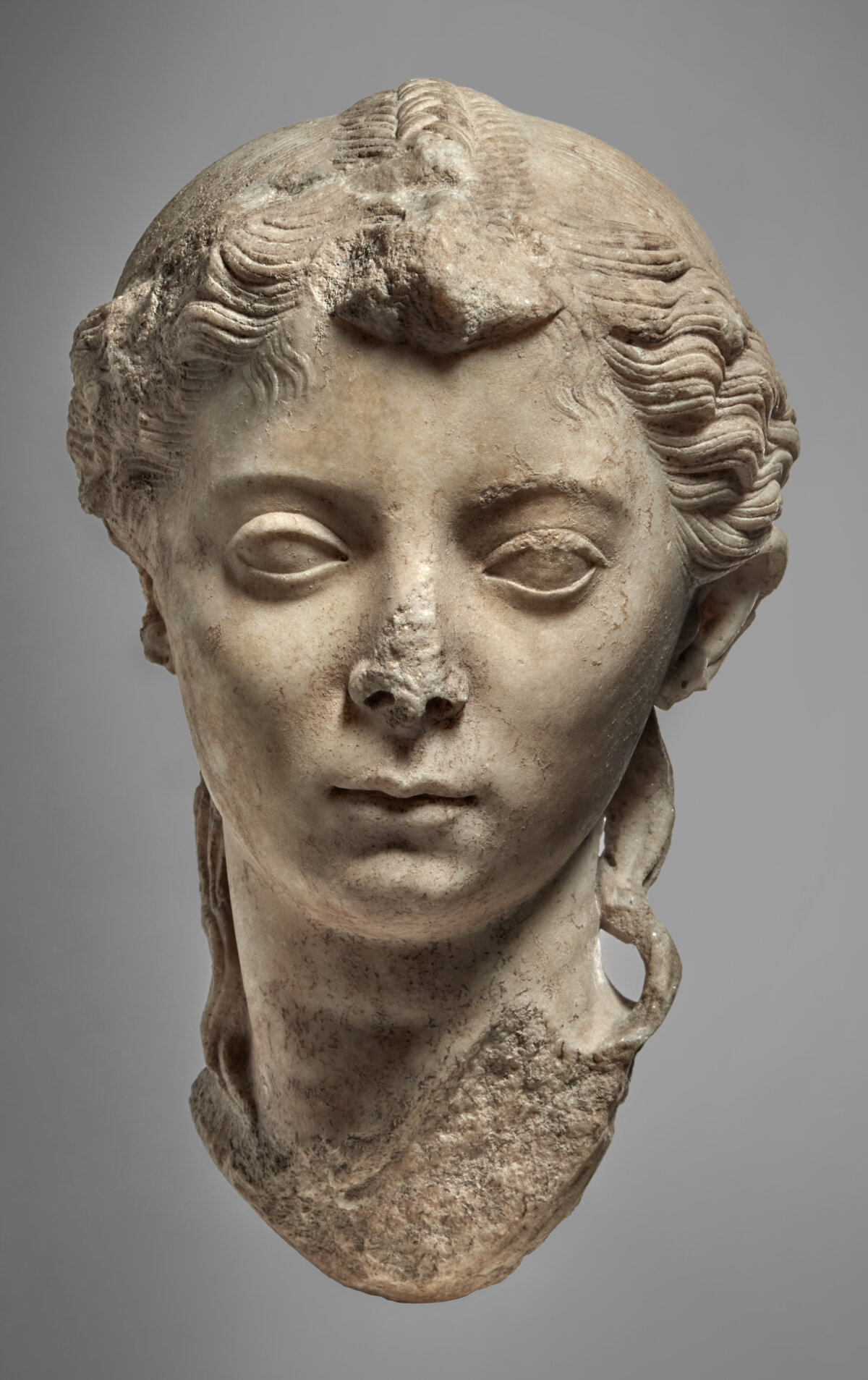
The sitter is unknown but appears to be a girl around the age of 12. The upper part of her face is classically styled while the lower part is more naturalistic and individualized, a common juxtaposition in female portraits of the Augustan age. Her striking elaborate coiffure was a hairstyle favored in portraits of Livia.
Old Master Paintings
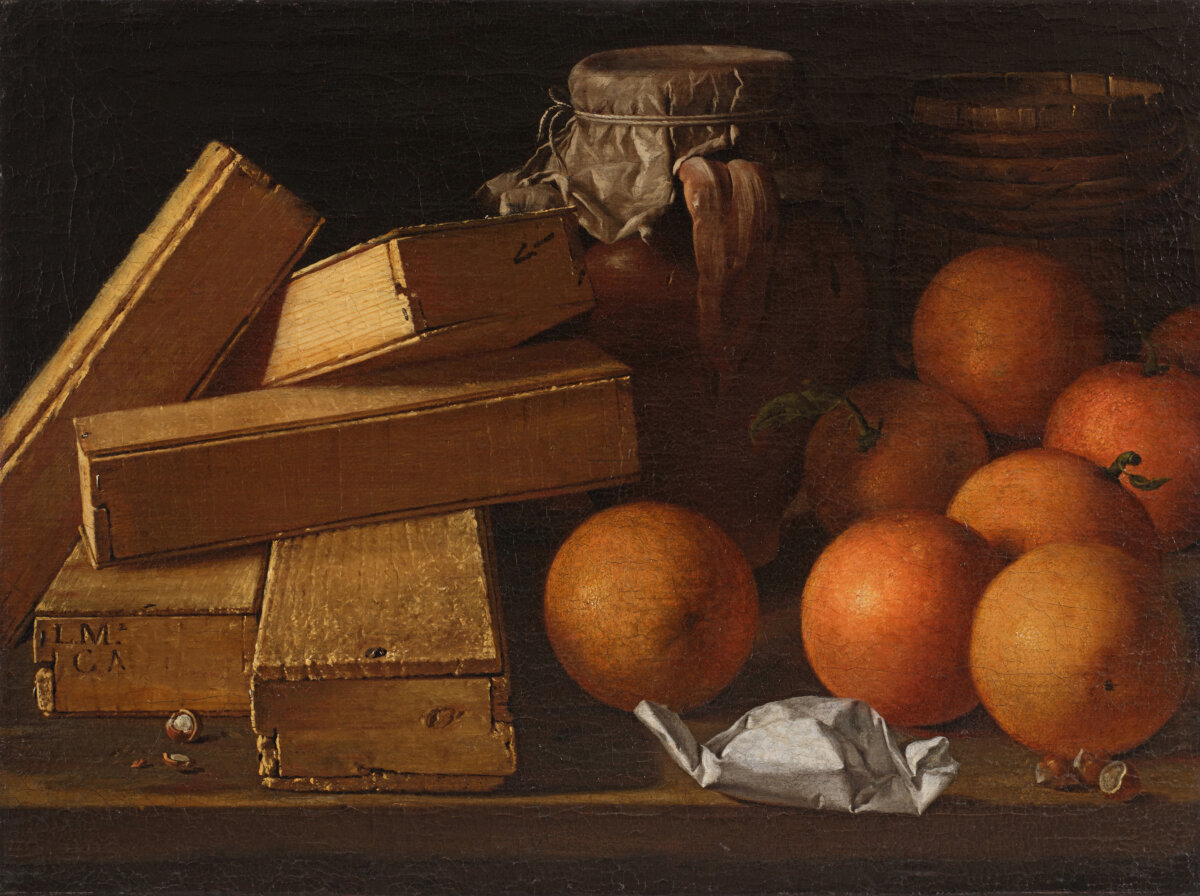
The collection’s Old Master paintings are diverse in genre, region, and date, yet each reflects its artist’s command of light. Luis Meléndez (1716–1780) was the greatest still life painter of 18th-century Spain. His $4 to $6 million “Oranges, Nuts, Spices, Boxes of Sweetmeats, a Jug and a Cask on a Table” depicts everyday items in a poetic and luminous manner. Using a muted palette of warm earth tones, Meléndez evoked each object’s texture and form through modulations of light and varied brushwork.
Despite the humble subject matter, the low vantage point (typical in Meléndez’s oeuvre) and the compressed pictorial space evoke an aura of monumentality. The items’ dimensions and textures are conveyed with meticulous detail and careful placement. Sotheby’s catalogue explains, “Through these carefully calibrated relationships of volume, geometry, and perspective, Meléndez transforms a seemingly haphazard accumulation of objects into a rigorously ordered whole.”
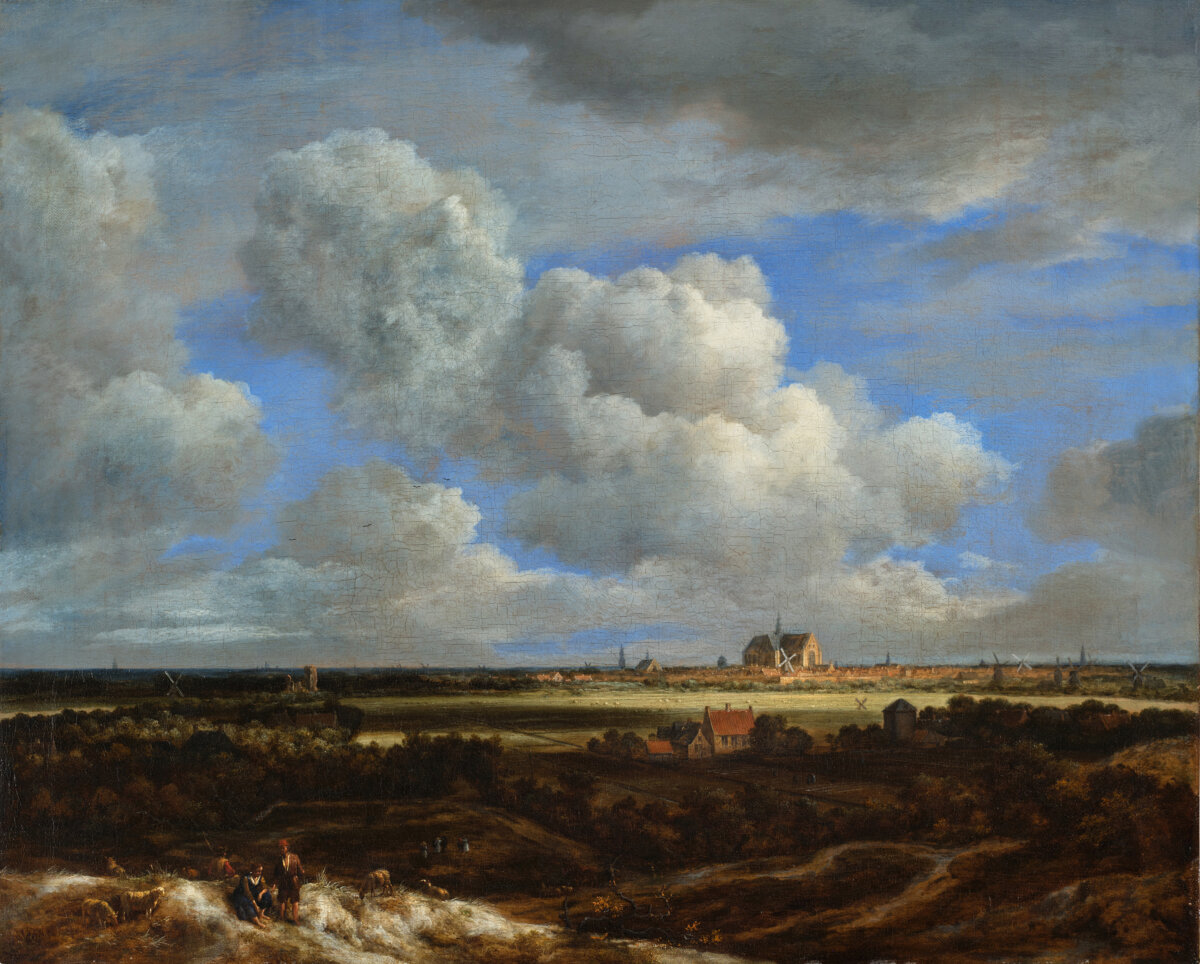
A beautiful painting in the sale is a panoramic view by Jacob van Ruisdael (1628–1682), who is considered the greatest Dutch landscape painter of the 17th century. Estimated at $2.5 to $3.5 million and painted around 1670, “View of Haarlem from the Northwest” shows a scene with dramatic clouds and dynamic areas of light and shadow. The artist painted a series of oil on canvas depicting the city of Haarlem, his hometown, while living in Amsterdam. These paintings were based on sketches he had made many years before. Like the Meléndez still life, this landscape is modest in size but nevertheless conveys a sense of grandeur.
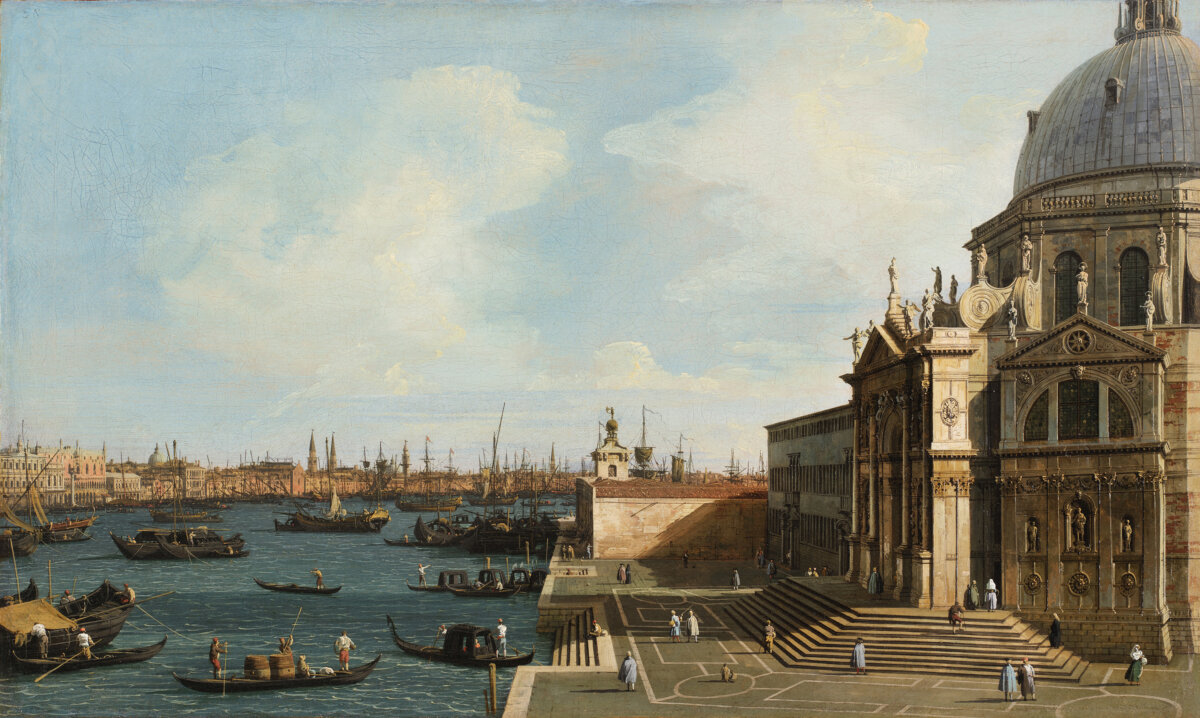
The majestic “Venice, View of the Grand Canal Looking East With Santa Maria della Salute” by the Italian artist Canaletto (1697–1768) is the highest-valued painting in the sale. Estimated at $6 to $8 million, it was previously in the collection of the Metropolitan Museum of Art. In several paintings, Canaletto explored the subject of Santa Maria della Salute, a Baroque church built in thanksgiving for Venice’s deliverance from the plague. This example is among his greatest versions. It dates to circa 1740, during the height of Canaletto’s Venetian period, when he emphasized light and color to render the city’s topography and the daily life of its inhabitants.
Decorative Arts and Furniture
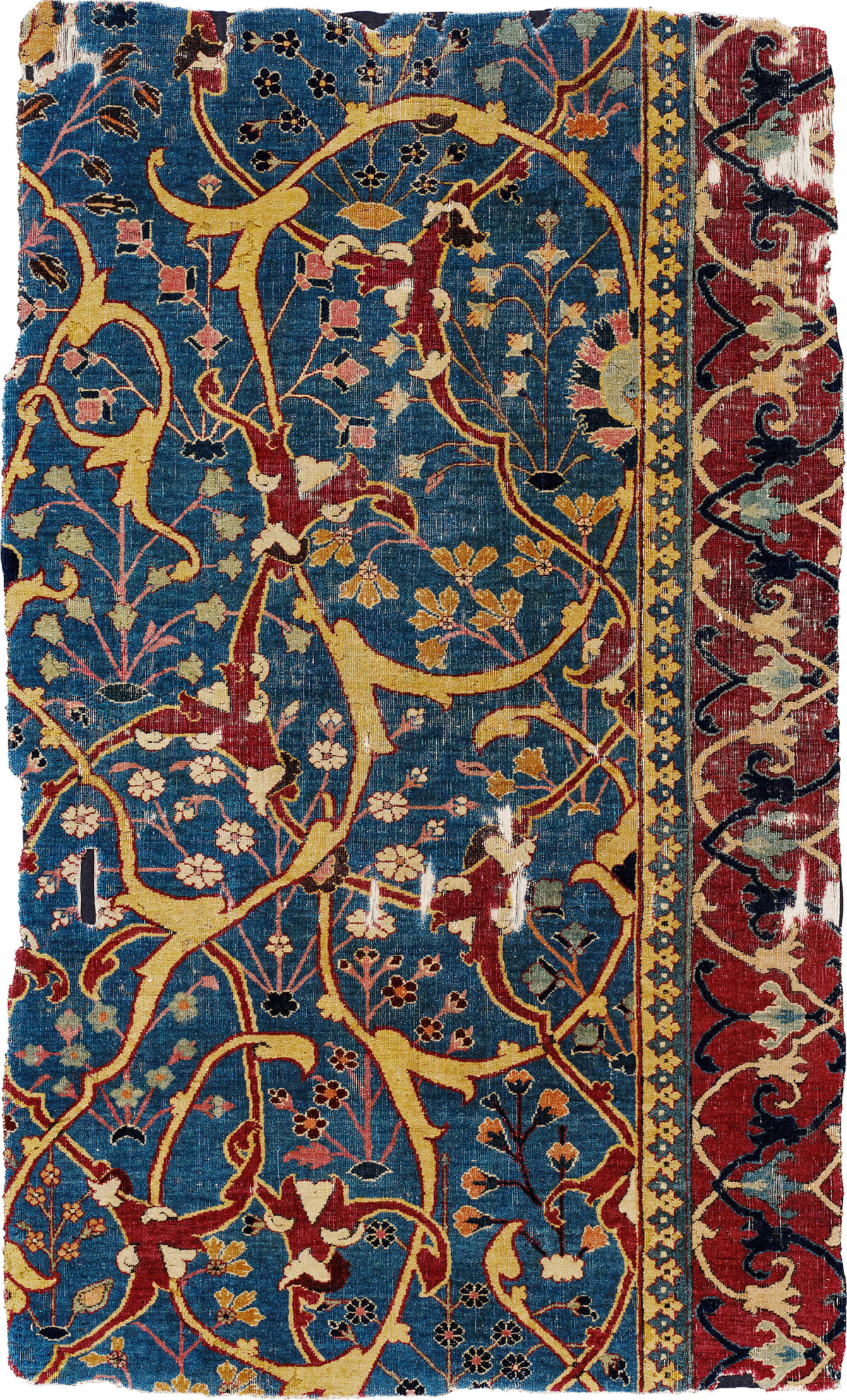
A standout in the Islamic Works of Art and Important Carpets category is the Bernheimer Safavid “Vase” carpet fragment, Kirman, Southeast Persia, early 17th century, which is estimated at $350,000 to $500,000. A rare and beautiful textile akin to a painting, Sotheby’s describes it as, “Woven with exuberant split-arabesques above a plane of flowering shrubs, the fragment retains jewel-like colors that enhance the wonderfully fluid drawing that epitomizes Safavid Kirman weaving.” Persian weaving was at its sophisticated zenith during the reign of Shah Abbas, from the late 16th to early 17th centuries, and scholars consider the grand carpet this fragment comes from to be one of the greatest carpets ever made.
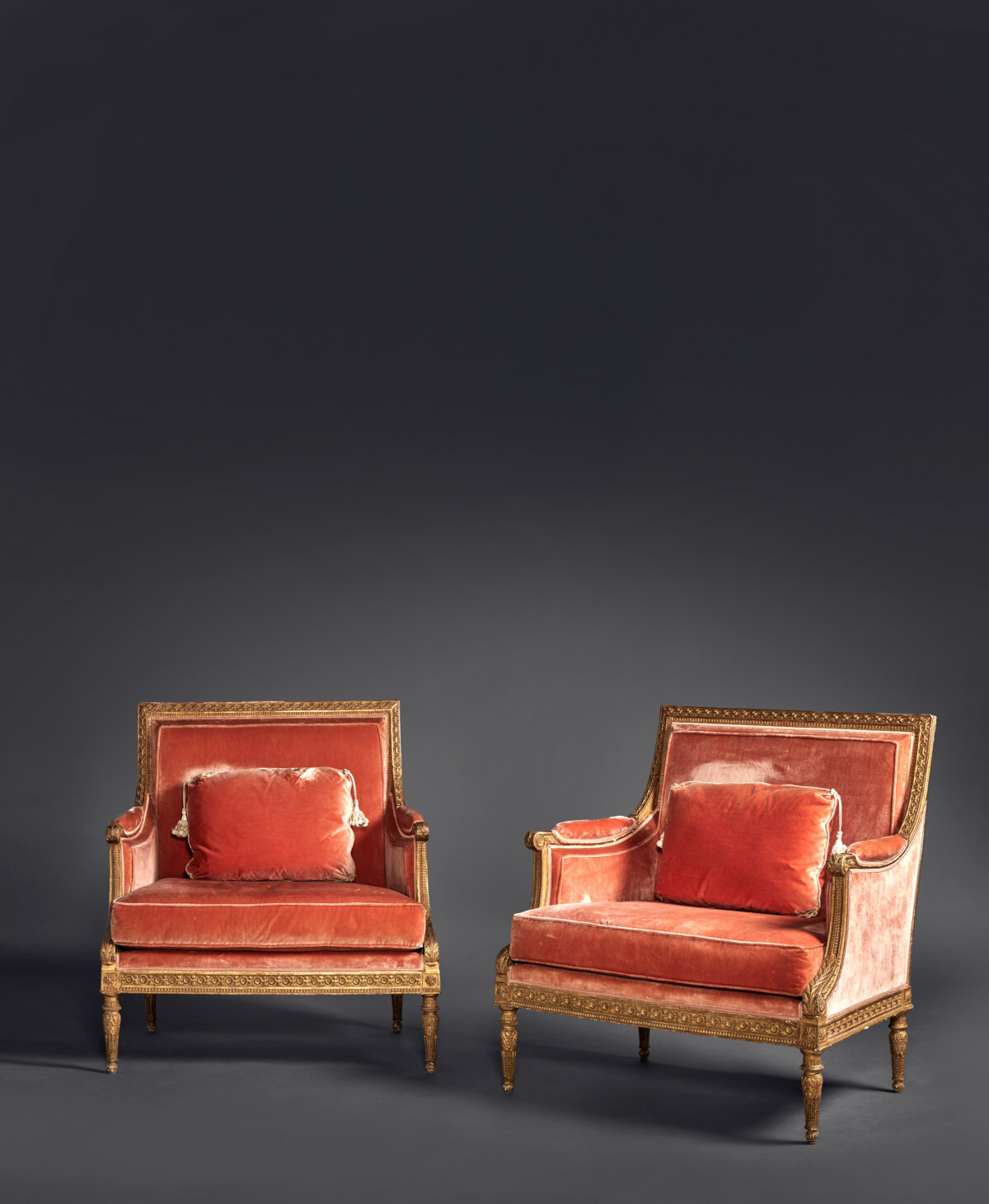
Core components of the extensive furniture and decorative arts in the sale are of French manufacture and have royal provenance. Significant lots include Savonnerie fragmentary carpets from Louis XIV’s famous 17th-century commission for the Palais du Louvre. A Pair of Louis XVI carved and giltwood marquises or causeuses attributed to Georges Jacob (circa 1785) are estimated at $200,000 to $300,000 and were used by Marie-Antoinette, Queen of France, at her last royal residence before she was imprisoned during the French Revolution. The decorative carvings include rosettes, a braided ribbon pattern, and acanthus leaves.
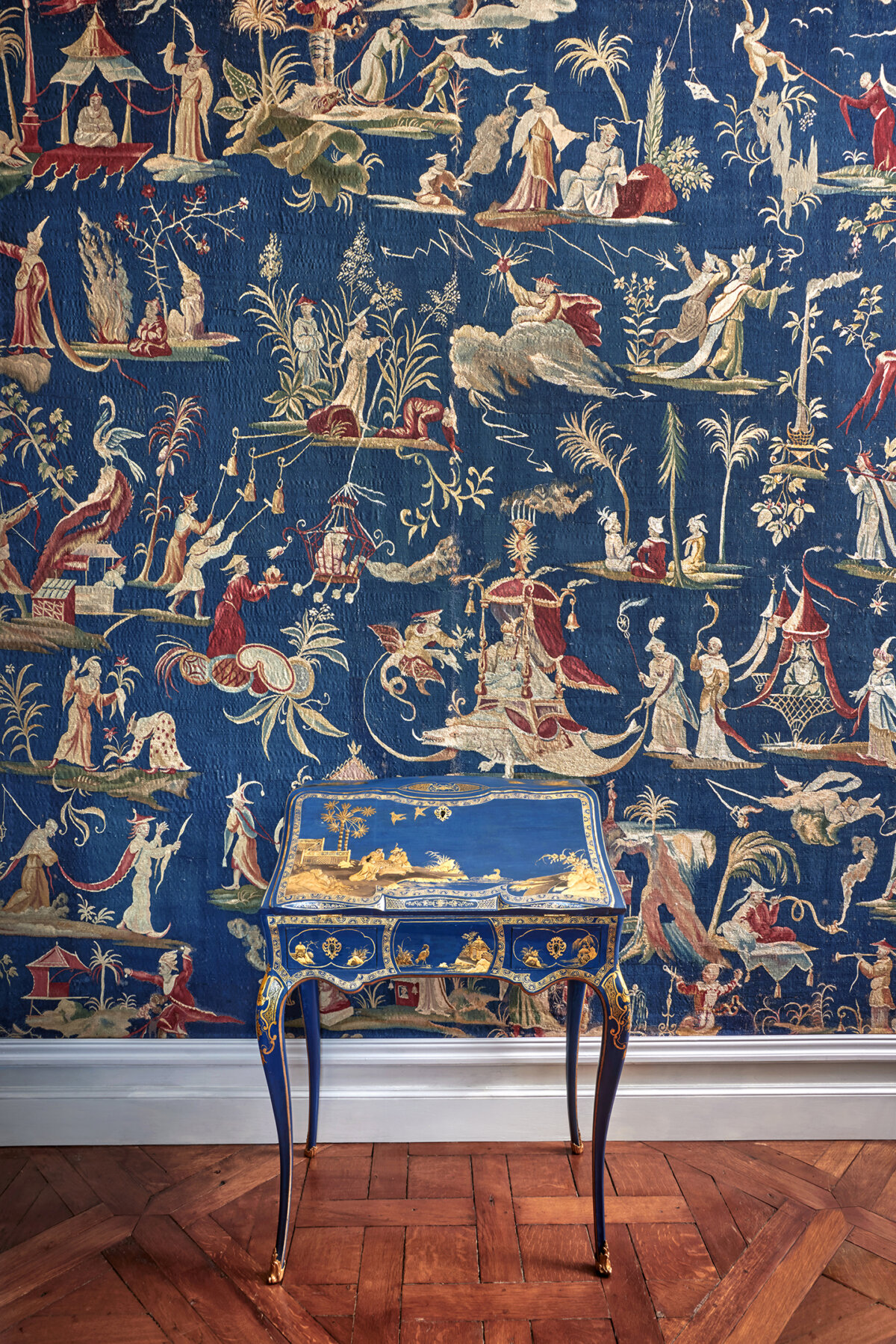
“Magnum Opus: A Private Collection of Exceptional Art and Objects Through the Ages” offers a thrilling opportunity to explore a collector’s singular and extraordinary approach to living with museum-quality art.
What arts and culture topics would you like us to cover? Please email ideas or feedback to features@epochtimes.nyc.