SEARCH


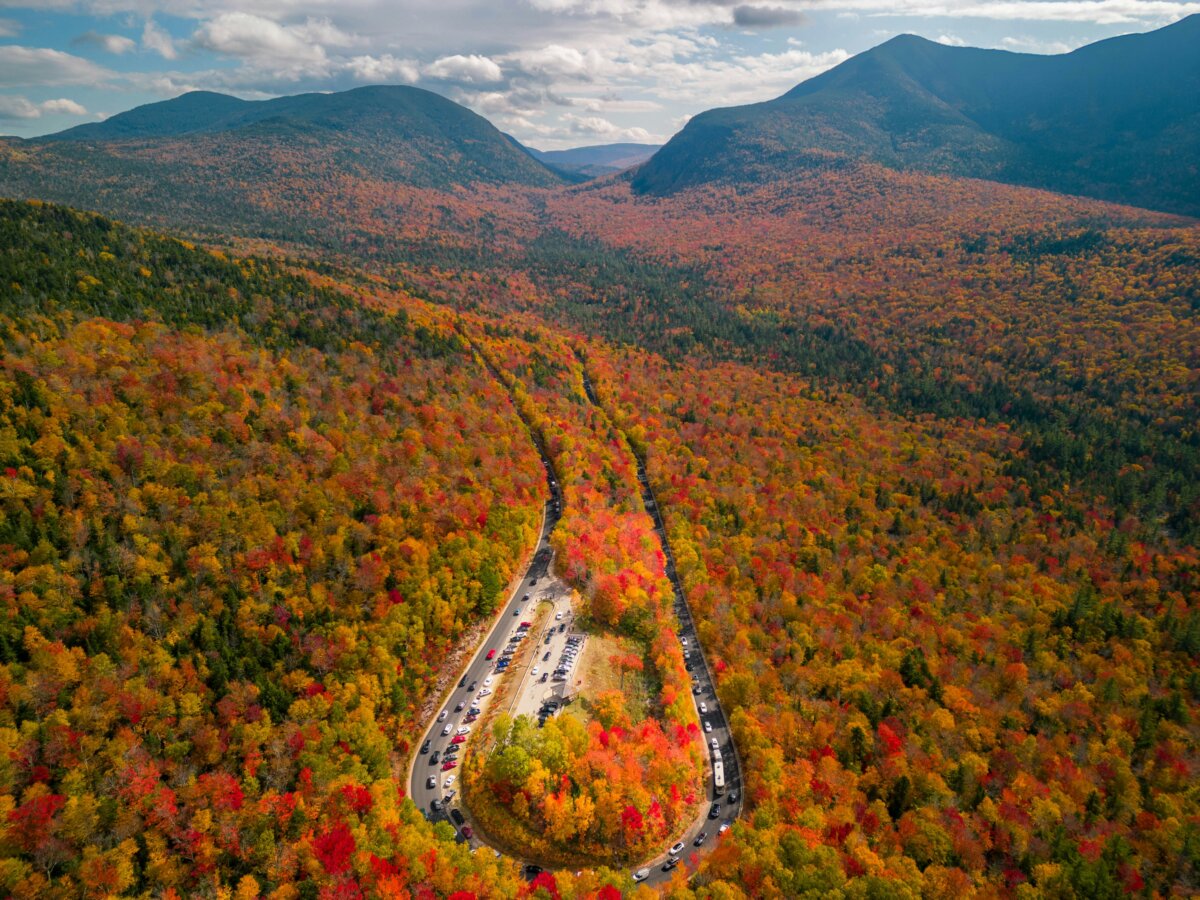
In a word, autumn is magic. The trees turn from vibrant green to a mosaic of deep reds and burnt orange and copper and claret. Corn and pumpkins appear as if from nowhere, and the anticipation of Halloween is just around the corner. Plus, there’s the joy of pulling on a warm sweater and striding out into the cool evening, where the air is perhaps scented with the evocative smell of a bonfire or wood stove burning somewhere out there in the night.
I absolutely love fall—celebrating the end of the white-hot days of summer, watching football, and perhaps picking a few apples as the leaves crunch underfoot. And, of course, there’s the ultimate pleasure: taking a leaf-peeping road trip.
However, choosing the route can be a bit of a dilemma. Where will the northern states provide the finest colors and the greatest variety of experiences within a relatively compact schedule? After many trips in pursuit of peak autumnal charm, I’ve put together a New England itinerary that brings together city, ocean, and mountains. It’s all very doable in the span of, say, a week—or even less.
So land in Boston, and stay a little while. Then roll onto winding two-lane byways and find all the leaves you’ve been looking for.
Arrival
Planes have been landing at “Logan,” formally known as General Edward Lawrence Logan International Airport (BOS), since way back in 1923. BOS is the largest and busiest hub in New England. To this day, you can see the big wide-body jets descending very close to the downtown core, just across the Harbor. Every major North American carrier flies to BOS from dozens of cities across the continent. Plus, a number of nonstops connect Boston to far-flung places like Seoul, Istanbul, Paris, and Bogotá.
Transiting by road can get you from the front curb of the terminal to some of the city’s main sites, like Faneuil Hall Marketplace, in just a few minutes. This trip will most certainly require a rental car. But it might make sense to save a few dollars and hold off for the first couple days while you’re in the city. Boston is blessed by very good public transit, but many of its leafiest places are best traversed on foot.
To get to your hotel from the airport, hop on the Blue Line on “the T,” the affectionate local name for the Massachusetts Bay Transportation Authority (MBTA). Or even better, if it works, a ferry or water taxi from the Water Transportation Dock.
Boston Common and the Emerald Necklace
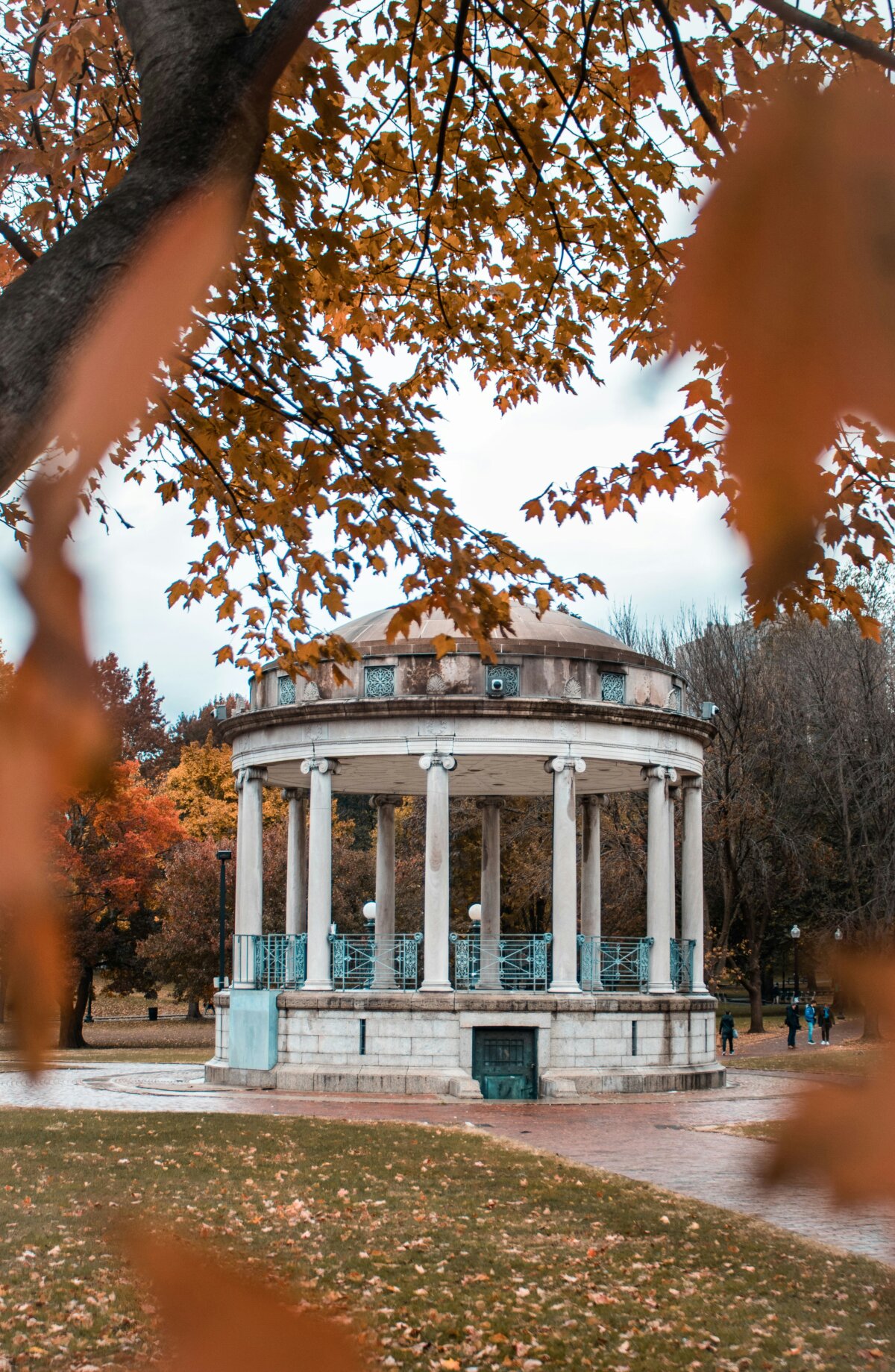
Boston is consistently ranked amongst the greenest cities on earth, with a parks system that’s truly the envy of the world. Most locals can reach a nearby natural spot within five minutes by simply walking out their front door. The famous chain of the Emerald Necklace park system covers 1,100 acres, linking together green spaces and waterways.
The crown’s jewel is America’s oldest park, Boston Common, founded back in 1634. Long ago, farmers grazed their animals here, and enemy British armies drilled their troops. Today, it’s the perfect place to visit the famous Frog Pond and Brewer Fountain and snap a few postcard-perfect photos.
Those photos should turn out as a series of still-life portraits of big, old oaks, elms, maples, beeches, and locusts. All of them will be changing, aflame in their fall glory, and backdropped by the city’s glassy skyline.
My recommendation is to rent a bike. Local shops offer them by the hour, and Boston has a bike-share program called Bluebikes. Download the app in advance and then roll away with a day pass priced at a very reasonable $12. You can ride all along the Emerald Necklace, perhaps taking a little detour to see the rowers on the Charles River or historic sites like the Paul Revere House.
A Boat Ride in the Harbor
Boston is a very old city built by those who came by ocean, not road. I’m always a big advocate that the right way to see such places—the most beautiful views—is from the water. Fortunately, this is a city with options.
For example, board the 1920s-style Yacht Northern Lights and go aquatic with your leaf-peeping. The captain will cruise you out to the Boston Harbor Islands. It’s even more enjoyable if you book a brunch cruise, which finishes with a steaming cup of cider in hand, perfect to balance any chilly winds blowing in.
Cape Cod
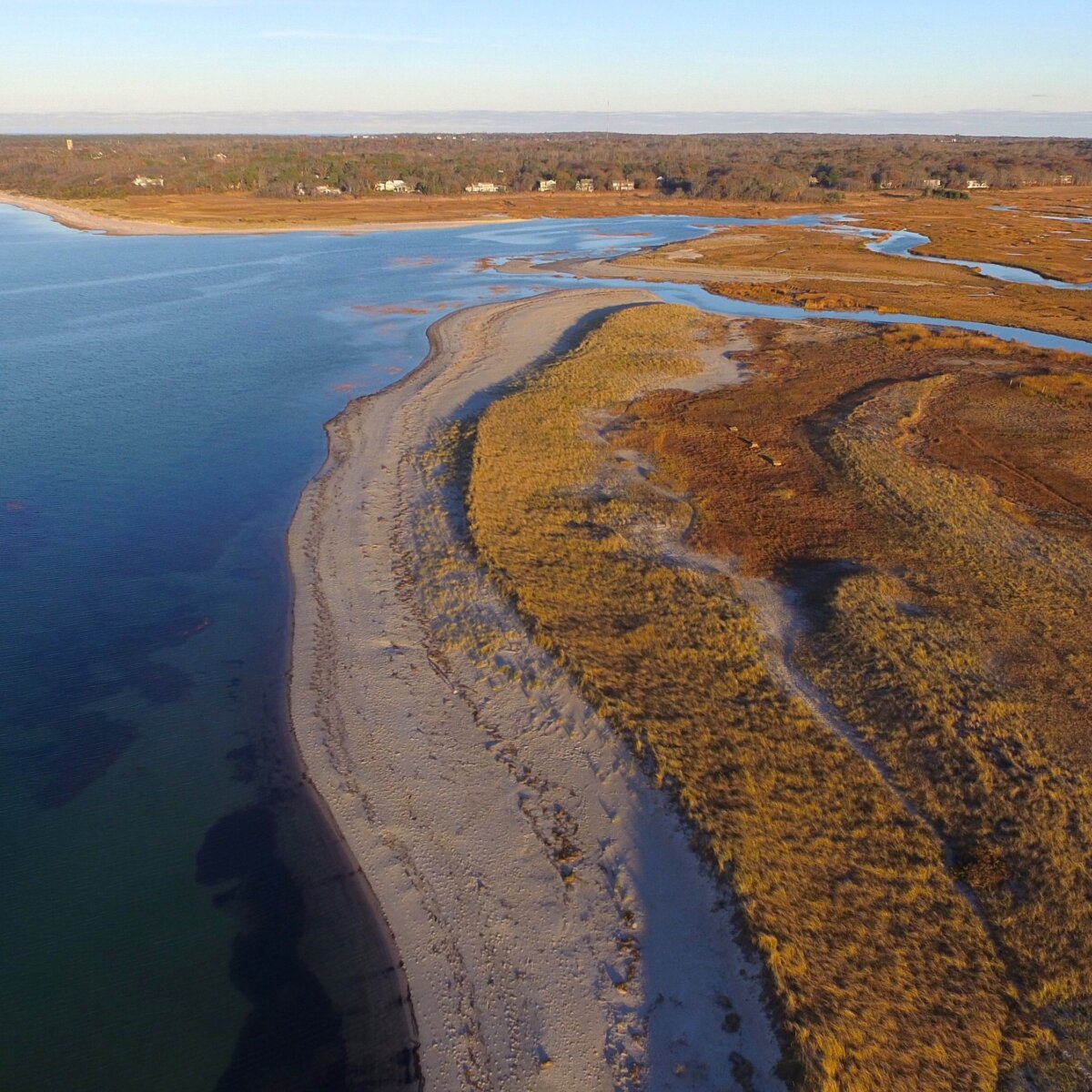
Now might be the time to rent that car and to head, as New Englanders say, across the Sagamore Bridge or the Bourne Bridge and “down the Cape.” Stretching roughly 65 miles in the shape (I’ve always thought) of a beckoning finger, this is a truly unique Atlantic seashore.
The Cape Cod peninsula is mostly known for summertime fun: sun-splashed waves, collegiate baseball, and lobster rolls eaten on breezy patios. But autumn is really, truly the best time to visit, with the temperatures moderating and the biggest crowds cleared out. Of course, you probably won’t want to take a cold dip or spend the day sun-tanning in October or November. But “the Cape” is much more than its beaches.
The villages alone make the trip worthwhile for me. Chatham is full of charming shops and three centuries of history, with a classic lighthouse nearby. Falmouth has white sailboats in the marina, church steeples, and, yes, another wonderful lighthouse. Hyannis has its own harbor cruise. Check schedules in advance—many towns attract visitors to a variety of festivals and other celebrations (including Octoberfest and oyster festivals) throughout the fall season.
The Cape has many natural wonders, too. Cranberry bogs, which you can actually tour with a guide, turn a shade of red so vibrant that you won’t quite believe your eyes. You can also bike along the 25-mile Rail Trail, or hike the paths at the Cape Cod National Seashore.
A couple lesser-known attractions include Nickerson State Park. The 1,900 acres of foliage here looks especially handsome, reflected back from the park’s series of kettle ponds. In addition to the usual hiking and biking, you might try your hand at some fall fishing (the ponds are stocked with trout). And when you tire of physical activities, the Old King’s Highway (Historic Route 6A), starting in Sandwich, is definitely one of the region’s most scenic drives.
Head for the Hills
What’s the best way to follow up a few days on the water? Go for a little altitude. After all, looking up at a mountain or down at winding, spreading valleys, all that foliage is just arrayed before you.
Fortunately, in this part of New England, much of the stuff you will want to see is packed into a relatively compact area. I’d recommend doing the drive as a loop. Leave from, say, Sandwich, then skirt around busy Boston to the south. You’ll arrive in Pittsfield in about three hours.
Of course, the Berkshires aren’t the Rockies. The crowning peak here, and the highest point in Massachusetts, Mount Greylock, doesn’t quite reach 3,500 feet. But I’ll make a risky assertion that, in many cases, the rounded, almost regal contours of the ancient Appalachians—from the Longfellow Mountains to the Blue Ridge to the Smokies—are even prettier than the snow-capped summits out west.
That’s definitely true in the Berkshires, especially in autumn. This is an area where driving in almost any direction will take you somewhere special: perhaps an orchard, a small-town downtown lined with historic red-brick buildings, or an unexpected lookout.
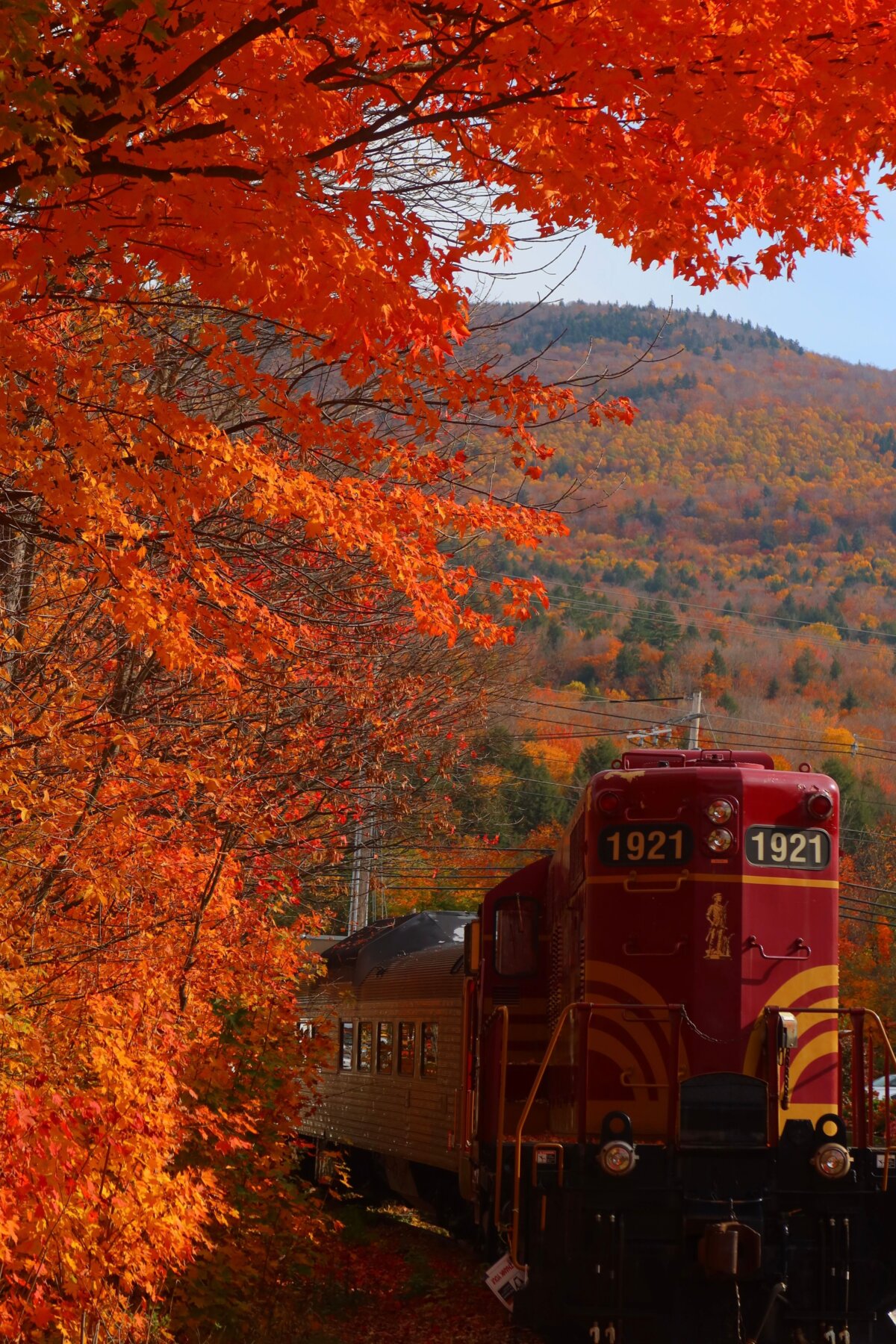
Some of the best views can be found at the top of Greylock. (Herman Melville himself extolled that mountain’s “most excellent majesty” in one of his novels.) There, within the 12,500-acre Mount Greylock State Reservation, visitors can drive right to the top and climb up the Veteran’s War Memorial Tower. From the nearby town of Adams, you can hop on a well-preserved 1950s Budd Car for a fall foliage rail tour through the Hoosac Valley.
If you have the time, wind another three-and-a-half hours up into New Hampshire’s White Mountains. These ranges rise a little higher than the Berkshires. Just a little further up, the famous Mount Washington reaches more than 6,000 feet. It is the highest peak in the Northeastern United States.
However, its bald summit is often socked in by cloud. Leaf-peepers will want to stay a little further south, anyway, because that’s where you’ll find the almost 35-mile Kancamagus Highway, which runs from Lincoln to Conway. It is consistently ranked as the most scenic fall foliage drive in the United States.
New Hampshire Route 112 (or “The Kanc”) is a twisted ribbon running through the White Mountains National Forest. The road is all switchbacks and hairpin turns. Gas stations and cheesy tourist attractions won’t interrupt your views or enjoyment (because there aren’t any). Instead, revel in simple, autumnal charms. You can drive through a covered bridge or take short walks to waterfalls.
Yes, it’s a relatively short stretch of byway, and the lights of Boston will beckon you back. But you might just want to drive the Kancamagus two, or even three times, to get your total fill of fall before it perennially, inevitably fades into the cold winds of winter.