SEARCH


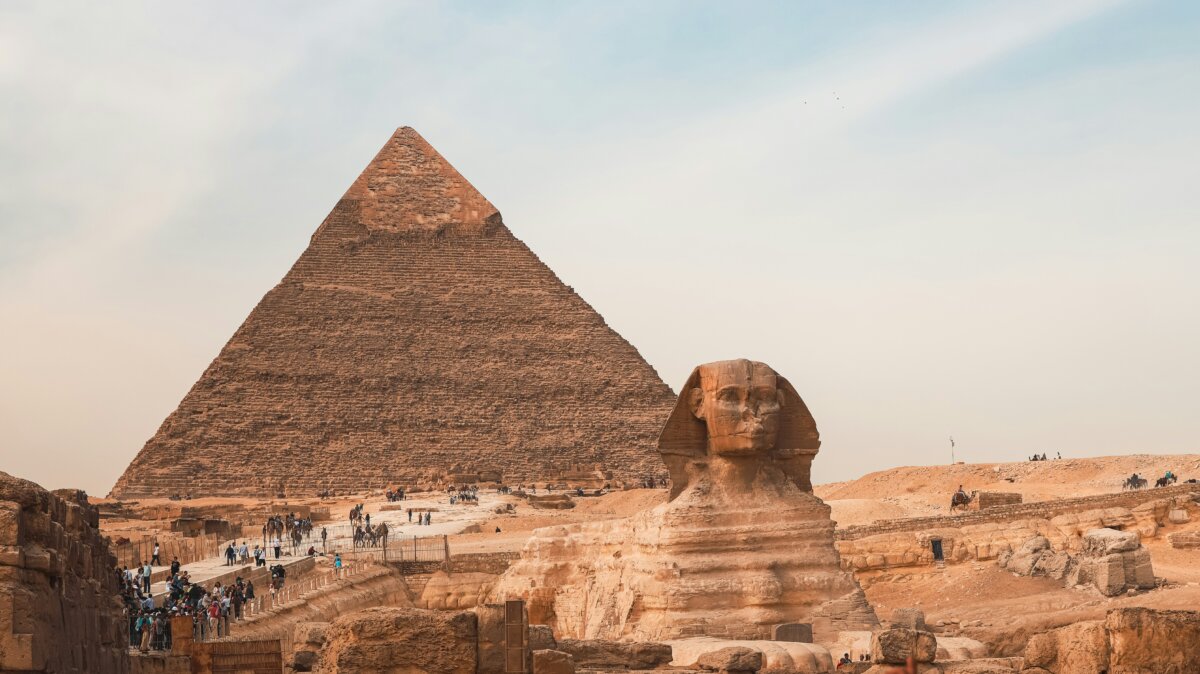
Few cities on earth can match the pure, visceral energy of Egypt’s vibrant and ancient capital. Whether you’re walking around its markets, gliding across endless overpasses on elevated highways, or boarding a felucca and rolling down the Nile, literally thousands of years of history come to life all around you.
The icons draw thousands of visitors to this sprawling and massive city. (Estimates place the total metro population at more than 20 million.) You’ll definitely blink twice when you first catch sight of the Pyramids of Giza, the oldest of the Seven Wonders of the Ancient World—and the only one still standing.
A number of visits here, including one just a few months ago, have taught me a few important lessons. The first is that Cairo is more than meets the eye. I remember my initial moments here, riding in from the airport. I was surrounded by traffic, crowds, and a freeway lined with endless buildings that seemed somehow halfway ruined, yet still vital. How could anyone navigate this almost overwhelming and surely unknowable place?
But you can find connection and even intimacy and discoveries here. That is, if you know where to look. Here’s my guide on how to explore Cairo.
Arrival
You’ll experience the liveliness of this city just moments after you step off your plane at Cairo International Airport (CAI). The hustle and bustle reach all the way out here, to Africa’s busiest hub. EgyptAir, the national flag carrier, offers a small handful of nonstop flights to North American cities, including New York, Toronto, and Chicago.
CAI was astonishing (and perhaps bewildering) on my first trip to Cairo, as I tried to make my way through the very chaotic visa-on-arrival process. But that’s been alleviated by the option available to citizens from dozens of countries to obtain an e-visa beforehand. Definitely get online and apply for one at least seven days before your departure (and preferably, earlier than that).
While a steady stream of buses service the terminals here, this is one destination where I wouldn’t recommend taking public transit from the airport. In general, taxis and ride-shares like Uber provide dependable and cost-efficient transportation for your trips around Cairo. But, especially after a long flight, and given the overall busyness of CAI, a pre-arranged car service just might be the best idea.
A Note on Culture
Certain elements of the culture in Egypt can seem unusual and even a bit vexing, particularly for first-time visitors to the Middle East. The most obvious of these is the adhan, or call to prayer, which rings out from mosques five times a day. From the top of a minaret (or a speaker mounted there), a muezzin beckons the faithful.
Cairo is sometimes called “the city of a thousand minarets,” and the aural wave they create during adhan can be almost overwhelming. That seems especially true early in the morning and late at night. If your hotel is located right next to a mosque, expect to be awakened at odd hours.
The busiest times to be out and about also tend to be much later than in the West. In part because of the blistering heat that always accompanies the summer months, Egyptians tend to take long, sleepy siestas in the afternoon. Once the unrelenting sun sets, Cairo comes alive. Bazaars and cafes light up after dark, and even young families eat dinner late, with 10 p.m. being a typical time to break bread. And, not surprisingly, because of the late nights, early morning starts are rare (something to consider if, say, you’re booking a private guide).
One more notable cultural difference is the availability of alcohol. Its sale is generally limited to non-Muslims in higher-end hotels and select bars and restaurants. You certainly won’t find a cold beer or a glass of wine at most casual local spots, and the hotel prices can be astronomical. If you’re looking to enjoy a bottle of something in your room, grab it at the duty-free store at CAI before leaving the concourses of the airport.
The Pyramids of Giza
When you first catch sight of these 4,500-year-old icons, honestly, you won’t quite believe your eyes. Most of us have been seeing photographs of them our entire lives, used on computer screensavers and travel posters and a million other places. But one thing you might find hard to believe is their proximity to the city.
In most photos, their unmistakable triangular forms appear to rise from the desert sands of the Sahara, a million miles from anywhere. In reality, the urban cacophony of Giza, technically the third-largest city in Egypt, and essentially Cairo’s main district on the western bank of the Nile, is extremely close by. You’ll have a strange and wonderful moment when you round a corner on the expressway and see them, right there, just beyond the apartment blocks and restaurants. Their actual reality, despite their familiarity, can seem inconceivable.
A typical visit will include stops for various views of the three main pyramids (the Great Pyramid of Khufu, the pyramid of Khafre, and the pyramid of Menkaure), then a side trip to the Great Sphinx. The total area of the complex is surprisingly large and usually requires transportation to get from one area to the next.
I’d advise hiring a guide and driver. Not only will they warn you about potential scams from local vendors, but they’ll also give a depth of knowledge not available otherwise. I’d also recommend skipping the camel ride, which is generally part of the itinerary but, in my experience, is really rather uncomfortable and unpleasant.
The Grand Egyptian Museum
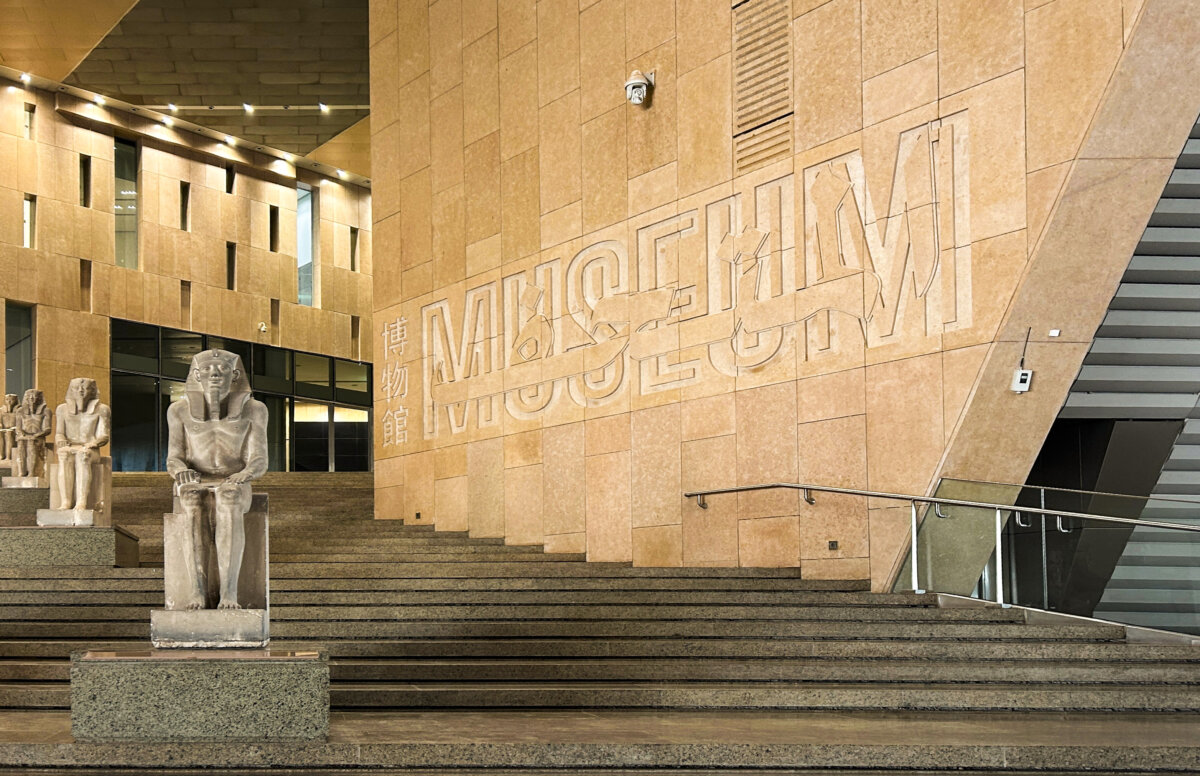
Often shortened to just “GEM,” this truly grand museum located close to the Pyramids of Giza finally opened, after many delays and to great fanfare, in late 2025. It is only a very slight exaggeration to say that you could spend an entire vacation here. I would allot at least one full day.
Amongst a total of 100,000 artifacts spanning 7,000 years of history, the absolute standout galleries contain the items recovered from the Tomb of King Tutankhamun, better known as “King Tut.” Famously, in 1922, archeologist Howard Carter first breached the chamber by flickering candlelight. His patron, Lord Carnarvon, asked if he could see anything inside. Carter answered, “Yes, wonderful things!”
Indeed, they are, and at GEM you can marvel at his chariots, throne, and gold mask. Curiously, the mummy of Tut himself remains in the original tomb, much further south along the Nile in the Valley of the Kings, and will remain so until archeologists can determine how to move his body to the museum without damaging it.
GEM is about more than King Tut. Ride the series of escalators to the top floor, then wander back down. Along the way, encounter obelisks and statues and so many precious items. Be sure to save time for King Khufu’s 4,600-year-old solar boats, which are tucked away at the back, housed in a separate building that is easily accessible by foot across an open plaza.
Browsing at the Bazaar
It’s a common mistake for visitors to pass through Cairo en route to Nile cruises and destinations like Luxor and Aswan. They will often spend a day at the pyramids, and maybe, now that it’s open, a bit of time at GEM, and then move on.
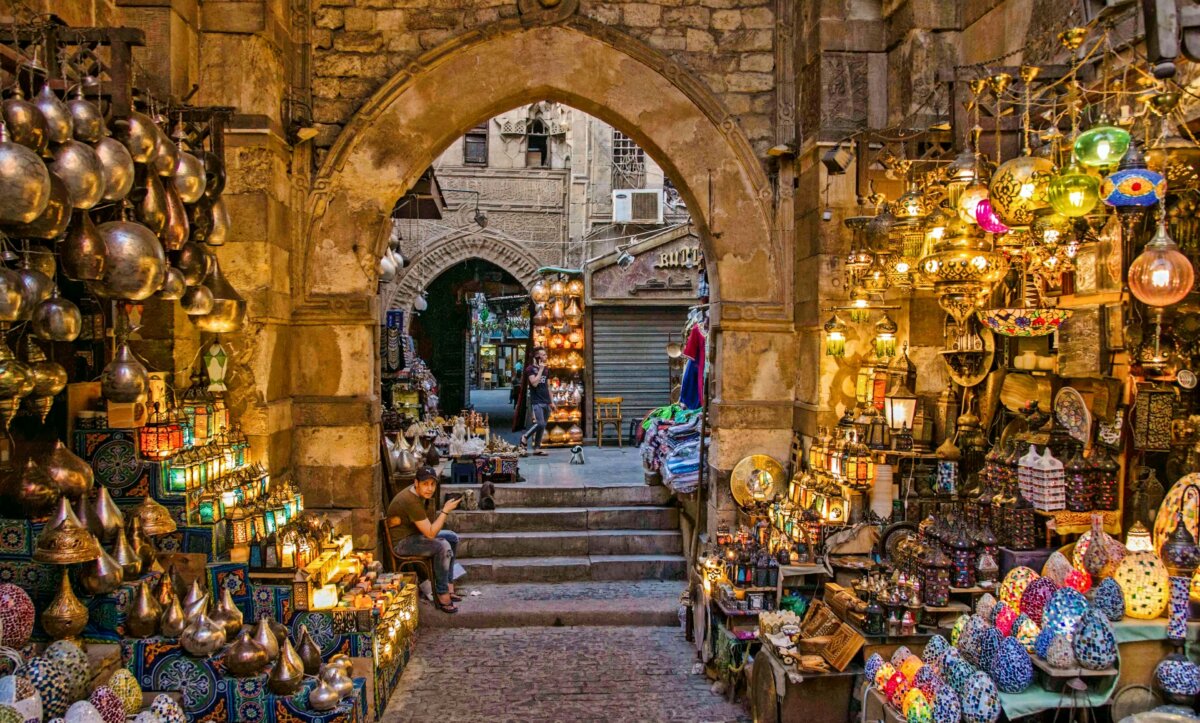
It’s really a shame, because, beyond those signature attractions, Cairo is a city worth discovering on its own merits. For example, consider the 14th-century Khan el-Khalili Bazaar.
It’s a wonderful place to get lost—even for a little while—in the labyrinth of lanes lined with merchants’ stalls. It certainly attracts its fair share of tourists, but Cairenes come here as well. You’ll find typical souvenirs like t-shirts and keychains as well as handmade textiles and jewelry.
I love to grab an Arabic coffee in a little courtyard and maybe a bite of street food—good fuel to keep shopping. If you plan to purchase a few items, be prepared to bargain. A good rule is to never take the first offer, and in fact, slice it into a fraction with your counteroffer. Most importantly, keep your most acceptable price front of mind, and be prepared to walk away if the back-and-forth never arrives there.
‘Secret’ Pyramids
While Giza gets the spotlight, its pyramids are actually newer (if you can believe it) than another of Cairo’s ancient sites. The Step Pyramid of Saqqara dates all the way back to 2,650 B.C. and is, in fact, the “OG,” as the kids would call it; that is, the prototype for all the pyramids erected after it.
Does it soar, like Khufu’s? No. But the tomb of the Pharaoh Djoser is at the heart of a complex of tunnels and hieroglyphs and statues that’s still actively being excavated and discovered by archaeologists and Egyptologists. It’s worth a visit, for sure.
The Coptic Quarter
Egyptians are overwhelmingly Islamic, but a significant minority of them are Coptic Christians. The roots of the religion run very deep here. Tradition dictates that St. Mark (the same one who wrote the second gospel in the Bible) brought Christianity here in the first century A.D.
A deep dive into the Coptic Orthodox Church is fairly fascinating. Copts traditionally bear a small, distinctive tattoo and recognize a pope based in Alexandria instead of the one in Rome. A visit to the Coptic Quarter in Cairo will include their namesake museum as well as sites like the Hanging Church and the remains of a Roman fortress from 30 B.C. It’s a reminder that Cairo can always surprise you, if you truly take the time to explore.