SEARCH


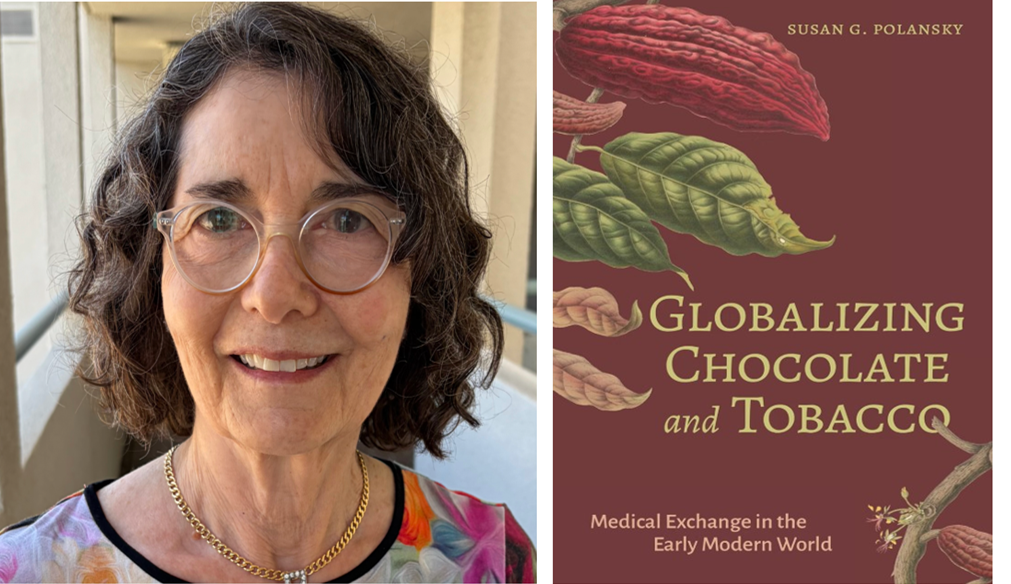
It’s highly unlikely that any doctor today would recommend chocolate as a medicinal treatment or prescribe tobacco as a curative. However, back in the 17th century, a pair of Spanish physicians challenged Europe with rival views on whether chocolate and tobacco were viable remedies in treating illness.
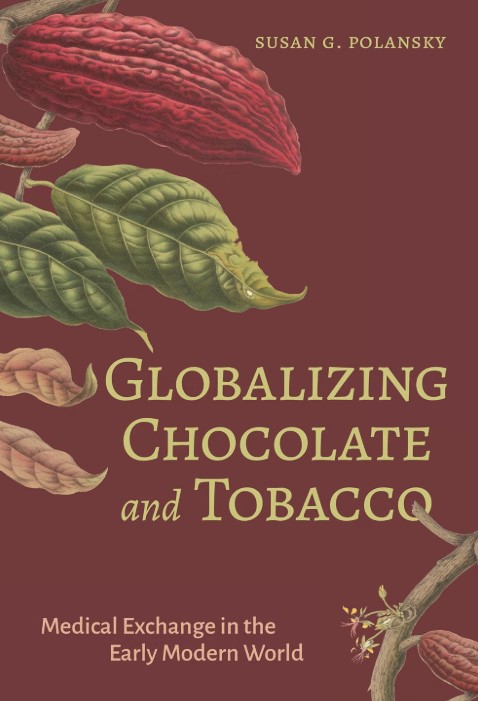
Susan G. Polansky’s “Globalizing Chocolate and Tobacco: Medical Exchange in the Early Modern World” recalls an obscure yet fascinating chapter in medical history and the circumstances that fueled this remarkable debate.
An Unexpected Bounty
The Spanish conquistadors arrived in the Americas in search of gold, silver, and other treasures they weren’t focused on discovering potential pharmaceuticals. Nevertheless, the Indigenous peoples they encountered introduced them to a wide variety of foods, beverages, herbs, and plants that they utilized for treating illness.
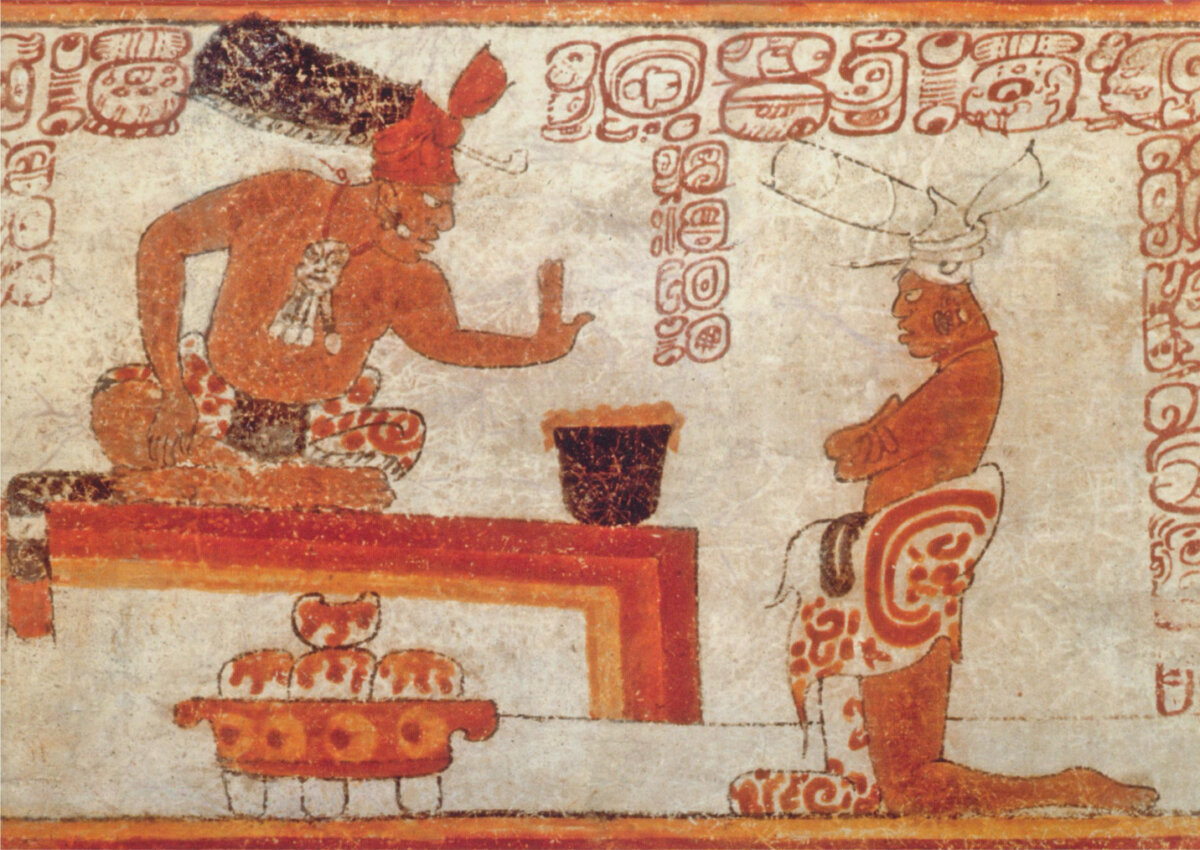
These included tobacco and cacao, which was used to produce chocolate. The Indigenous populations consumed chocolate as a beverage and smoked tobacco in medicinal and religious contexts.
However, the introduction of chocolate and tobacco in Europe raised questions among many medical professionals. Much of their hesitancy, quite frankly, was because they couldn’t believe that the Indigenous peoples in the Americas possessed sophisticated knowledge on any subject, let alone medicine.
Several prominent physicians of the late 16th and early 17th centuries published works that addressed the possible medicinal value of chocolate and tobacco. Polansky highlights how two unlikely figures came to dominate the discussion.
In retrospect, neither Bartolomé Marradón nor Antonio Colmenero de Ledesma seemed destined for greatness. Polansky states that their respective biographies are sketchy; it’s known that they came from relatively modest backgrounds and studied medicine without receiving a doctoral degree.
Both men traveled to the Spanish colonies in the New World, although details of their respective journeys haven’t been preserved. Neither was considered a thought leader in his field until he turned his attention to chocolate and tobacco.
The Negative View
Marradón opened the debate with his awkwardly titled 1618 treatise “Dialogue on the Use of Tobacco, the Harms and Benefits That Time and Experience Have Discovered About Its Effects, and on Chocolate, and Other Beverages That Are Used in These Times.”
The book presented its case as a three-way dialogue between a European medical professional (“Doctor”), an Indigenous man from the New World (“Indiano”), and an average European (“Citizen”) regarding the benefits and hazards of New World treatments of illness and disease.
As Polansky explains, Marradón “assumes substances like tobacco have been associated with witches.” Marradón shared his personal observations from the Canary Islands. There, tobacco was used as a salve to cure skin ailments like scabies and ringworm; he also claimed it could induce madness.
Marradón was far ahead of his time in one key area. He warned of the severe health hazards created by smoking tobacco. He cited victims with infected organs, rotted lungs, and damaged livers.
He was considerably less hostile to chocolate, although he questioned the lack of standards in preparing the cacao pods to create the chocolate beverage. He warned that excessive consumption created new health problems. He ultimately compared the chocolate beverage to tobacco as a vice that can be too easily abused.
The Positive View
In 1631, Colmenero published his book “A Curious Treatise on the Nature and Quality of Chocolate, Divided into Four Points,” which refuted most of Marradón’s negative views of chocolate while mostly ignoring his warnings on tobacco.
In his book, Colmenero questioned Marradón’s research and understanding of how cacao is cultivated and processed to become the chocolate beverage. He championed the complexity of cacao and belittled Marradón’s concerns on the lack of standards in preparing the drink for European consumption.
Unlike Marradón, Colmenero took a fairly radical approach. He offered very generous respect for the traditions of the Indigeneous population and their knowledge of medicinal treatments through native botanicals.
Colmenero insisted chocolate could be used to treat a great quantity of disorders; these ranged from intestinal issues and infections to dental hygiene and childbirth labor pains.
However, Colmenero acknowledged that Marradón had valid points regarding excessive consumption. Marradón was prescient in his concerns over smoking tobacco. Polansky writes that Colmenero was also ahead of his time when he “asks what causes chocolate to fatten most people who drink it.”
While both books were widely read, Colmenero had the good fortune of being in the right place at the right time. By the 1630s, chocolate had become a popular breakfast drink among Spain’s elite, and it was finding favor in other parts of Europe. Not surprisingly, his book was very popular among chocolate consumers.
Both books were translated and published outside of Spain, remaining in print for many decades after their respective publications. Polansky provides the original Spanish-language texts of both books as part of “Globalizing Chocolate and Tobacco,” along with new English translations.
Polansky’s presentation is a provocative consideration of health, medicine, and cultural clashes. The author’s deeply plumbed research and invigorating writing results in a book that will leave the reader feeling truly enriched in discovering a too-long forgotten story of great value.
‘Globalizing Chocolate and Tobacco: Medical Exchange in the Early Modern World’
By Susan G. Polansky
Bucknell University Press: July 14, 2026
Hardcover, 242 pages
What arts and culture topics would you like us to cover? Please email ideas or feedback to features@epochtimes.nyc.