SEARCH


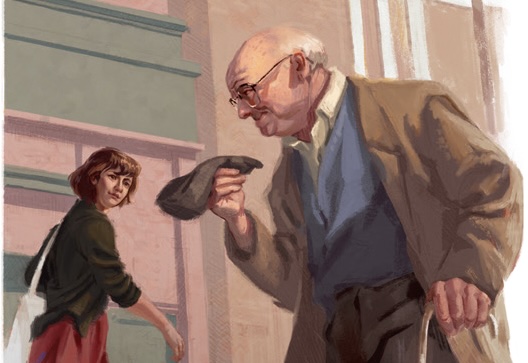
While out walking recently, I exchanged a normal, friendly greeting with a grandfatherly gentleman. But the action that accompanied his greeting almost stopped me in my tracks: He tipped his hat.
His gesture made me almost giddy with delight. I couldn’t remember the last time I’d been greeted with such politeness.
This action suggests that hats are far more than a tool to cover a bad hair day. As such, etiquette instructor Bethany Friske explains how we can use them accurately and appropriately.
A Signal of Friendliness
“When men traditionally meet a lady, they should tip their hats to acknowledge their presence as they pass by,” Friske says. Full removal happens if they stop to chat. She explains that this gesture of friendliness originated in medieval times when knights would open the visors on their helmets to show that they weren’t a threat.
Hats Off
Men should always remove their hats when inside. For outdoor events, “men always remove [their hats] for the national anthem,” Friske says. Funeral processions, prayers, and the pledge of allegiance are other outdoor occasions that apply the hat removal rule.
Women, however, may keep their hats on indoors—“unless it’s a specific winter hat for warmth,” Friske explains. Women should consider removing large hats if they could block others’ view at an event.
Strategic Storage
“If gentlemen are removing their hats indoors, don’t put them on the table,” Friske instructs. Instead, men should place their hats on their laps, hang them on hooks, or set them in the front hall or entryway. A hat “tends to be dirty” because of its proximity to a person’s hair and repeated usage without washing. Placing it on the table where a meal is taking place can introduce germs and unwanted grime.
Seasonal Common Sense
Traditional etiquette dictates that straw hats should be worn only during summer months. These rules “still apply,” Friske says, but are flexible depending on climate. If your climate is warm for most of the year, then wearing a Panama hat is permissible beyond the June through August window. However, “if I’m wearing a straw hat and [there’s] four feet of snow on the ground, that’s going to stand out and look odd.”
Showing Respect With Headgear
“The right hat can add a bit of pep in the step,” Friske says. That gives a person more confidence. She suggests outdoor concerts and plays, boating excursions, gardening, and weddings—both indoor and out—are good places to add a hat to one’s attire. “It definitely can add an aspect of showing respect—that you took the time to choose a hat that went with your outfit for a set event,” she says.
This article was originally published in American Essence magazine.