SEARCH


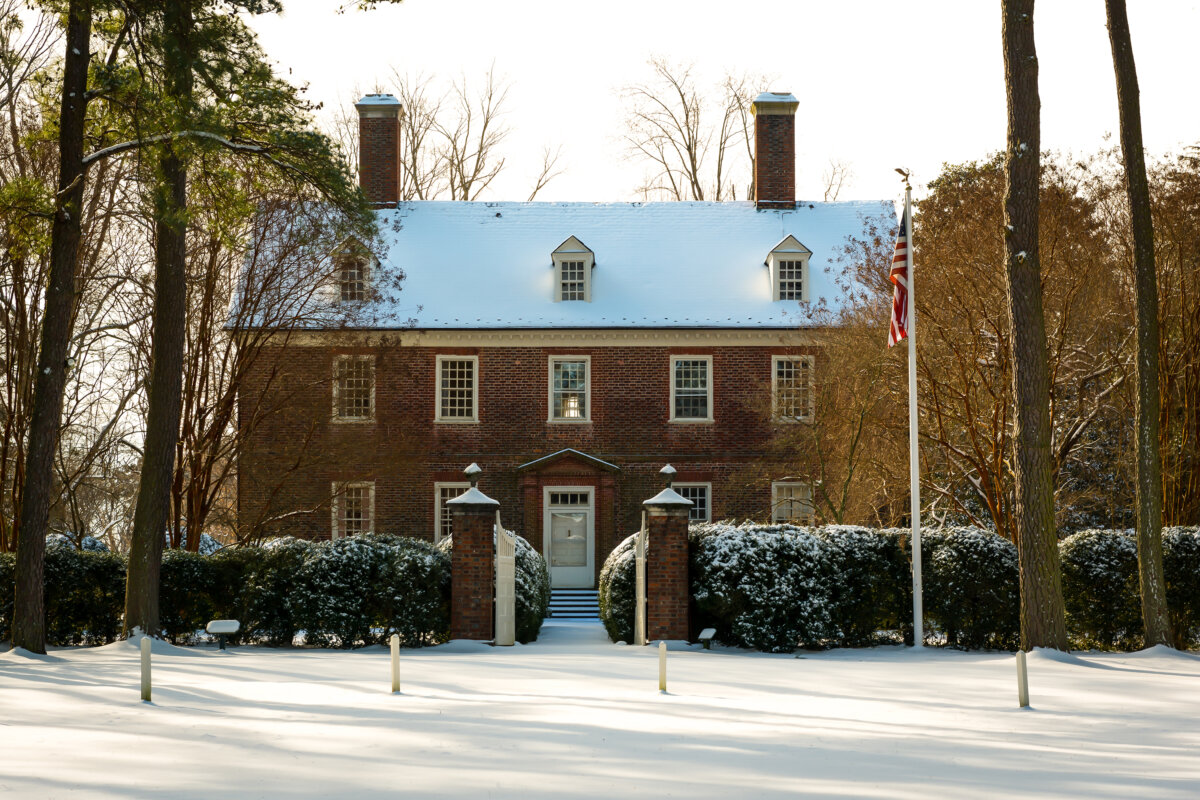
A gathering at the lesser-known first Thanksgiving site in Charles City, Virginia, celebrated the Harrison family’s tricentennial legacy.
So much of this year’s semiquincentennial has been written about and celebrated. In 1776, 56 men signed their names to a document that could have been their death warrants. Yet, that bold move led to a bold new country. Today, many descendants of those signers continue to honor the memory of their tenacious ancestors.
Anchors to History: The Modern Reunion
One such family, the Harrison family, which descends from Founding Father Benjamin Harrison V, celebrated its 300th anniversary at the Harrison family’s 1726 Georgian mansion.
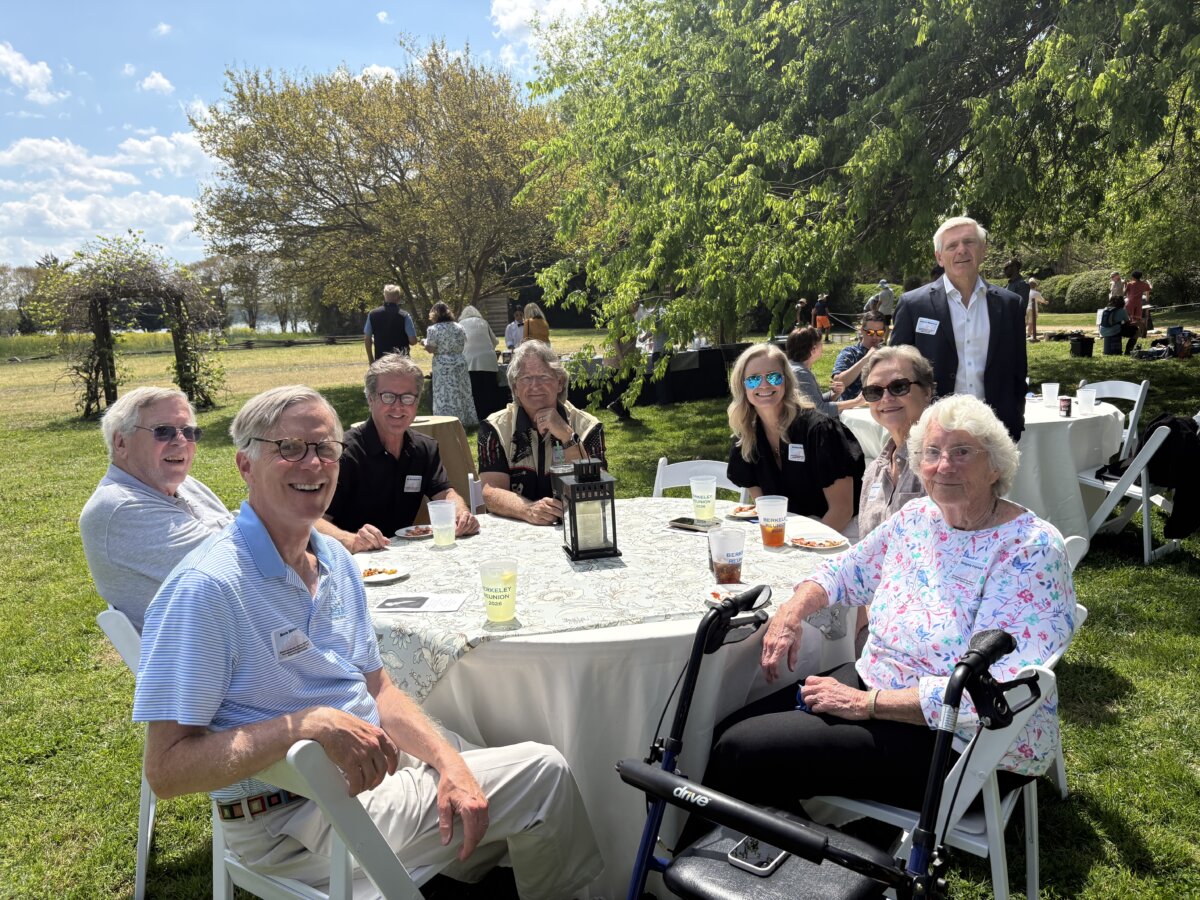
Bill Orr, the signer’s fifth great-grandnephew, was the main organizer of the 300th celebration and family reunion. Hailing from Texas, Orr worked with other family members to bring about the assembly at Berkeley. When asked why he put so much time, money, and effort into the event, he told American Essence: It was “to connect with others who feel love of country. It’s important to know one’s history, but also to connect with ancestors, who provide an anchor to that history.”
Harrison V’s great-grandson, John S. Harrison, was a main speaker and the deliverer of a prayer at the tricentennial celebration. John and 50 other direct descendants traveled from all over America to share family stories and treasured artifacts. Currently living in Wyoming, he revisited Berkeley for the first time since the 1970s this past spring.
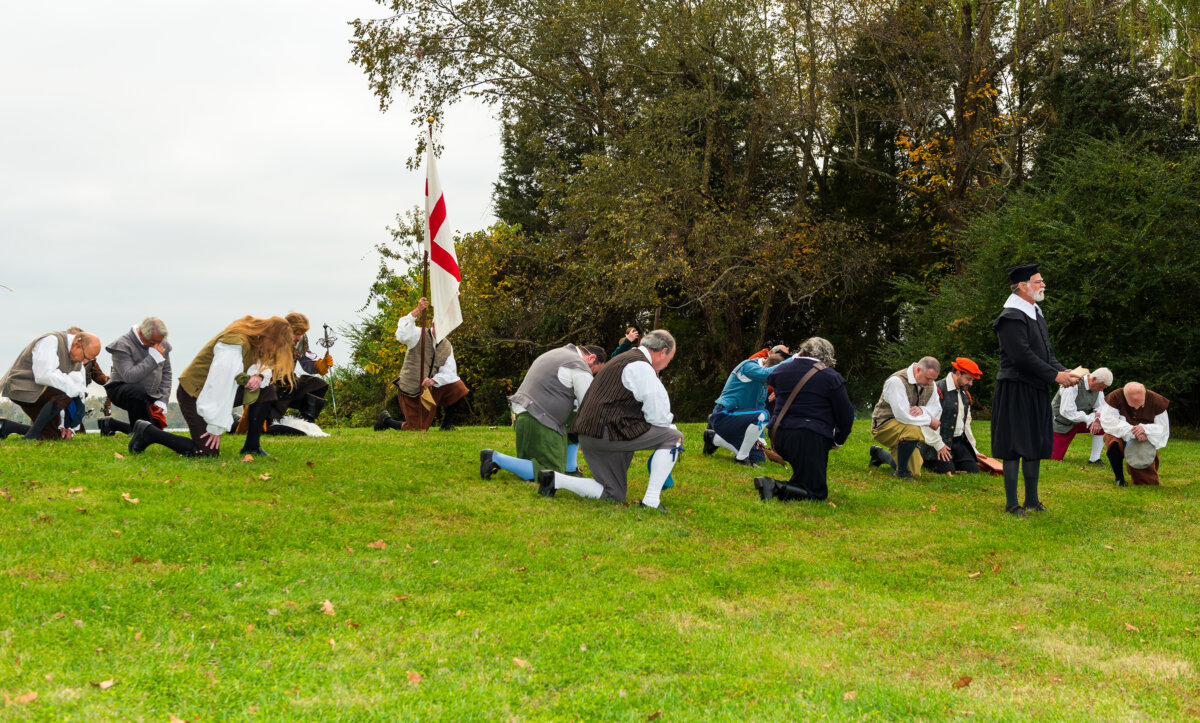
While the group congregated during the spring, they spent meaningful time on the expansive lawn leading to the James River shore, participating in a parade of colors by period-dressed volunteers. Hosted by the Descendants of the Signers of the Declaration of Independence, the display beautifully called attention to both America’s 250th and Harrison’s 300th milestones.
Living American History Generationally
“Our family has always been focused on maintaining our generational history,” John said. “[The reunion] is a wonderful reminder of the impact our family has had on American history. In my view, preserving and carrying forward family histories generationally is one of the most meaningful things humans can do. It’s not just about dusty records or old photos—it’s about handing down a living sense of who we are, where we came from, and what matters. In a world that often feels fragmented and fast-moving, family stories act as anchors, providing depth, resilience, and continuity that material things rarely can.”
Growing up as a Harrison meant truly living American history. John’s nephews, brothers Tyler and John Benjamin Harrison, also traveled from Wyoming and recalled how their grandparents instilled this legacy in them from a young age. As boys, they were explicitly told to be careful with the priceless Harrison artifacts and furnishings in their homes. “In our family has been a chair from the White House, vases, pictures, … so much has been donated [to museums],” John Benjamin noted.
That early awareness blossomed into deep, adult respect. “Being a direct descendant is something that’s always been understood,” Tyler reflected. “As we’ve gotten older, we appreciate it more.”
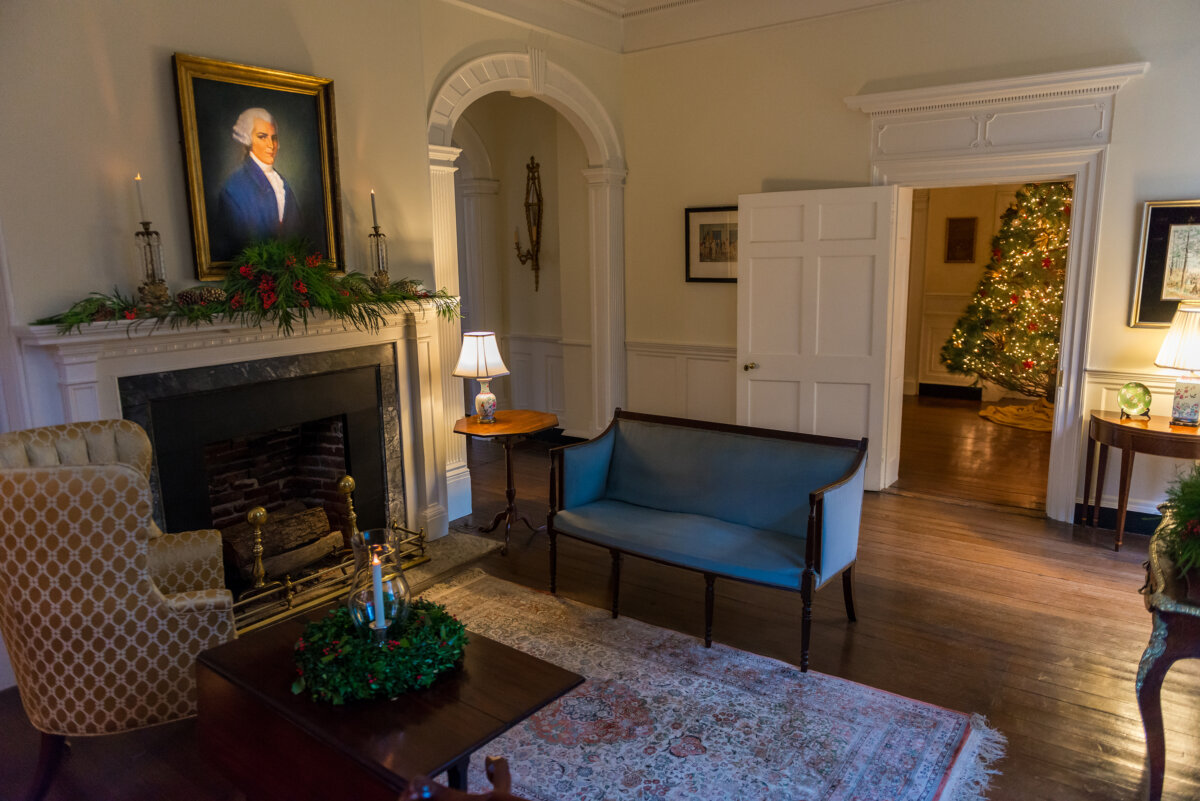
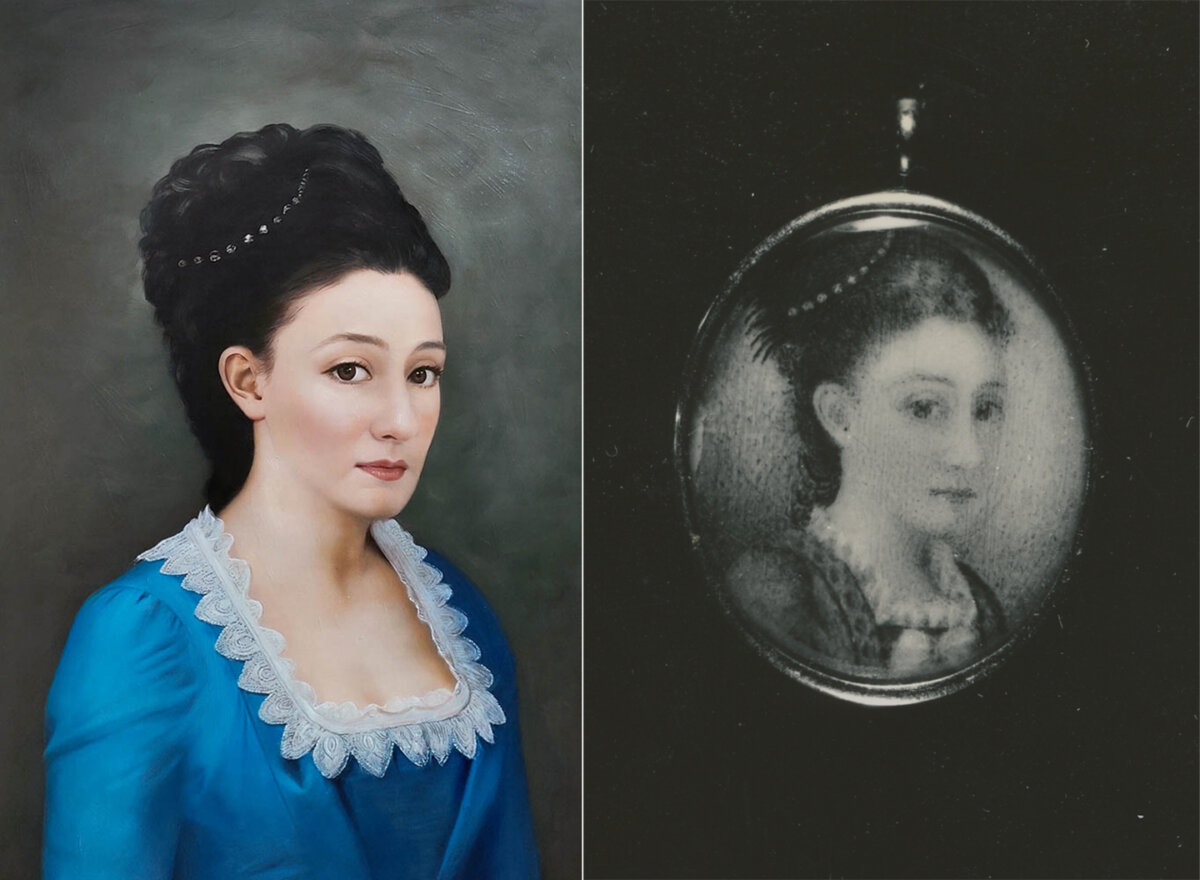
Over meals, while sharing historic letters, lockets, and lineages, America’s patriotic spirit was evident among the Harrison descendants at Berkeley. Many attending were currently serving or had served in the military or in political service, and all expressed pride in their family members’ contributions to this country. They toured the plantation’s home, where their ancestors lived, worked, and dined, gazing upon a recently commissioned large-framed portrait of Benjamin Harrison V’s wife, Elizabeth Bassett Harrison, based on an original 18th-century miniature.
“It motivates me to live with integrity, contribute where I can, and pass on a sense of stewardship for this country,” John said. “In a world that sometimes feels disconnected, this connection makes me feel rooted in America’s story—and grateful for the legacy I get to carry forward.”
The Historical Backdrop
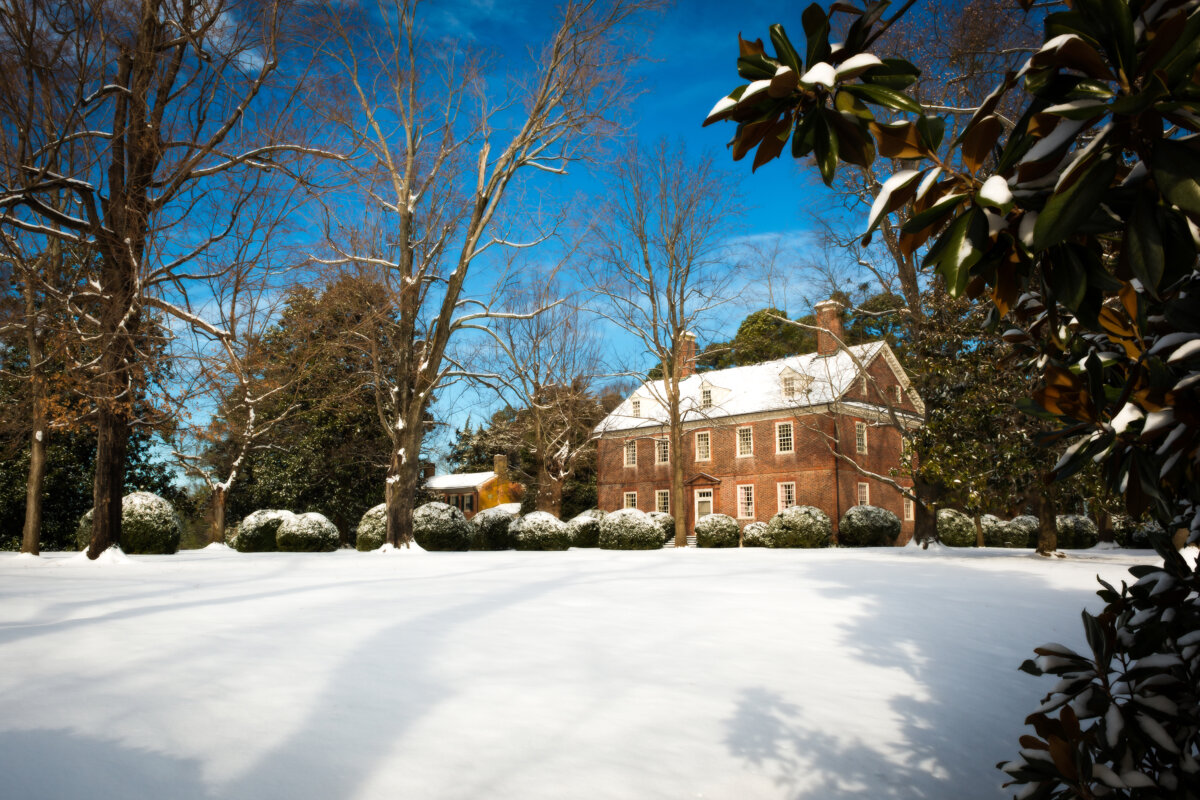
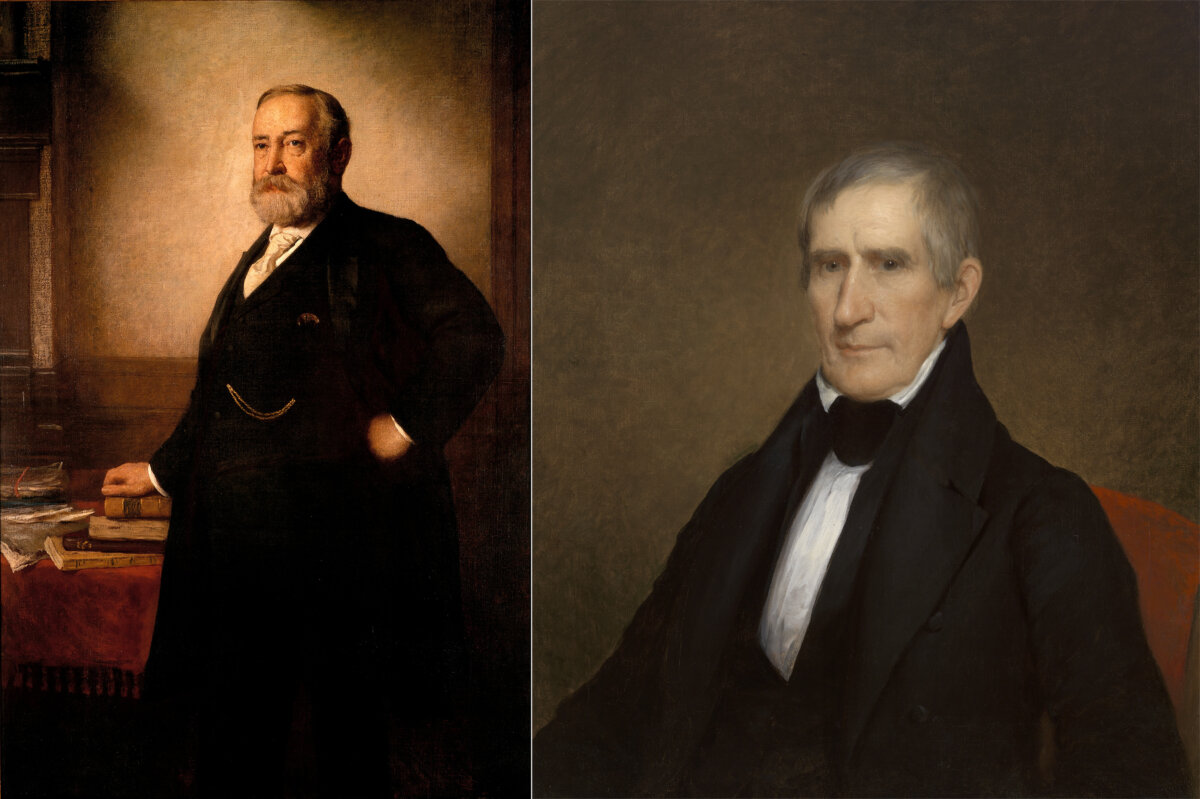
The three-story brick Berkeley Plantation in Charles City is one of the oldest houses in Virginia. It was the birthplace of William Henry Harrison, the ninth U.S. president, and the ancestral home of his grandson, Benjamin Harrison, the 23rd president.
During the reunion, descendants discussed how their family’s land had been the stage for many monumental historic events. As a Declaration signer, Harrison was a target for Loyalist forces; in January 1781, Revolutionary War traitor Benedict Arnold and his troops ransacked the property, destroying Harrison’s furniture, family portraits, crops, and livestock. Decades later, the grounds served as the site where the military standard bugle song, “Taps,” was written and first played during the Civil War.

Considered hallowed ground, Berkeley Plantation is also the site, though disputed, of the official first Thanksgiving. While Abraham Lincoln’s 1863 proclamation established the tradition of a national day of Thanksgiving in November, historical evidence uncovered almost a century ago suggests that the Plymouth Colony celebration in 1621 was not the first.
According to the 17th-century papers of antiquarian John Smyth (who was also the Berkeley family genealogist), Capt. John Woodlief and his crew of Englishmen landed on the James River shoreline of Berkeley Hundred, later Berkeley Plantation, on December 4, 1619. Woodlief immediately proclaimed a day of thanksgiving, reading from an official decree: “We ordain that this day of our ships arrival, at the place assigned for plantation, in the land of Virginia, shall be yearly and perpetually kept holy as a day of Thanksgiving to Almighty God.”
Proof of the Experiment
That original 1619 proclamation resonates with the Harrison ancestors today. To be connected to a family and a land so rich in American history is something they do not take for granted.
Perhaps John expressed their “shared heritage” best: “I thought about what Benjamin would say if he were here and could see family members gathered. I think he would look across all of us and recognize that his legacy is alive and well. He would recognize that public service continues. I think that he would tell us that we are the proof of that bold experiment he started so long ago.”
A tour of Berkeley Plantation and its elaborate gardens remains a living history experience—a step back in time to truly imagine life from the 17th through the 19th century. Visitors will learn that not only was Berkeley the birthplace of an important American family, but it was also where the idea of setting aside a day of thanks to God was first proclaimed in America.
This article was originally published in American Essence magazine.
What arts and culture topics would you like us to cover? Please email ideas or feedback to features@epochtimes.nyc.