SEARCH


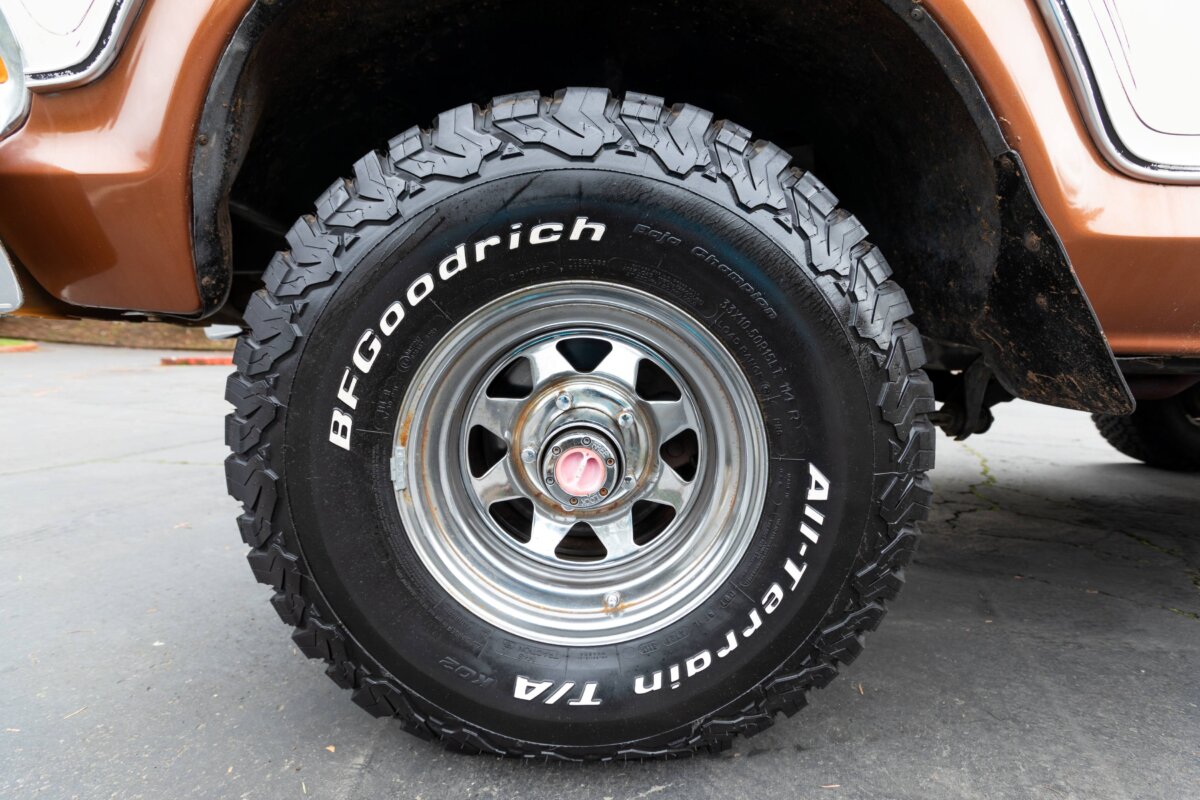
When Benjamin Franklin Goodrich looked at a fledgling American industry, he saw more than rubber—he saw opportunity. His name may now evoke images of tires and industrial products, but the man behind the B.F. Goodrich Company was far more than a brand.
He was a physician, a Civil War surgeon, and an entrepreneur whose vision transformed Akron, Ohio, into the “Rubber Capital of the World.” In just 46 years, Goodrich’s drive reshaped an industry and a city, leaving a legacy that endures.
The Operating Room
Born on Nov. 4, 1841, in Ripley, New York, Goodrich faced adversity early. Both of his parents died during his childhood, and he was raised by an uncle. These early hardships instilled resilience and independence—qualities that would define his life.
Goodrich grew up in a rural farming community and excelled academically. Encouraged by his guardians, he pursued medicine, earning a degree from Cleveland Medical College around 1861. He completed further surgical training at the University of Pennsylvania in 1863.
Soon after, he joined the Union Army as a private. Goodrich was promoted to hospital steward and eventually to assistant surgeon tending to soldiers during the American Civil War. Though records of his service are scarce, the experience demanded quick thinking, adaptability, and endurance—the very traits that would later guide him through the uncertainties of business.
After the war, Goodrich briefly practiced medicine in New York. Yet he soon recognized the opportunities of America’s industrial expansion. Rubber, enhanced by Charles Goodyear’s vulcanization process, presented a chance to build a durable, innovative business.
In 1869, Goodrich acquired the Hudson River Rubber Company in Hastings-on-Hudson, New York. A year later, he saw the promise of Akron, a city with land, infrastructure, and local investment support. Goodrich relocated the business, founding Goodrich, Tew & Company in 1870.
Building Akron’s Rubber Industry
In Akron, Goodrich established a production operation focused on practical, durable rubber goods. Among the company’s early achievements was the cotton-wrapped rubber fire hose, more reliable than leather hoses that cracked in cold weather.
Local stories suggest that Goodrich may have been inspired by a friend’s house fire to improve fire hoses, or that his early adoption of the telephone reflected his openness to new technology—though both anecdotes remain unverified. What is certain is that, despite periods of financial struggle and near bankruptcy, the company laid the groundwork for future innovation and helped position Akron for its eventual rise as a center of rubber manufacturing.
Through persistence and reinvestment, Goodrich gradually stabilized his enterprise, transforming early setbacks into a foundation for lasting growth. By 1880, Goodrich had incorporated the firm as the B.F. Goodrich Company. He was not an inventor but a strategic leader, assembling skilled workers, building supply networks, and promoting a culture of excellence. Branding the company with his own name ensured its identity would endure.
Goodrich married Mary Elizabeth Marvin (1841–1907), and the couple had four children. Contemporaneous accounts describe him as ambitious and civic-minded, aware of the role his business played in Akron’s growth.
Beyond his company, the growth of Goodrich’s factory indirectly encouraged Akron’s civic expansion, driving the need for better roads, schools, and public services as the city industrialized. He encouraged research into rubber’s versatility, experimenting with new materials and applications that went beyond hoses and belts.
Employees recalled his hands-on approach. He visited factories and fostered a culture where innovation was rewarded, and a combination of curiosity and responsibility that shaped both the city and the emerging rubber industry.
Legacy Beyond His Years
Benjamin Franklin Goodrich died on Aug. 3, 1888, in Manitou Springs, Colorado, at just 46 years old. He was buried in Lake View Cemetery in Jamestown, New York. He did not live to see the explosion of automobile tire production, but the foundation he laid allowed Akron to become the center of rubber manufacturing.
In the following years, the B.F. Goodrich Company expanded into tires, aerospace components, and industrial materials, cementing its place in global industry.
Goodrich’s life embodies the spirit of 19th-century America: a young orphan who became a physician, served his country in war and then reinvented himself as an industrial pioneer. His foresight, resilience, and entrepreneurial spirit ensured that his name would endure.
His name is not just on a company, but represents the innovative spirit and enterprise that helped shape modern American industry.
What arts and culture topics would you like us to cover? Please email ideas or feedback to features@epochtimes.nyc