SEARCH


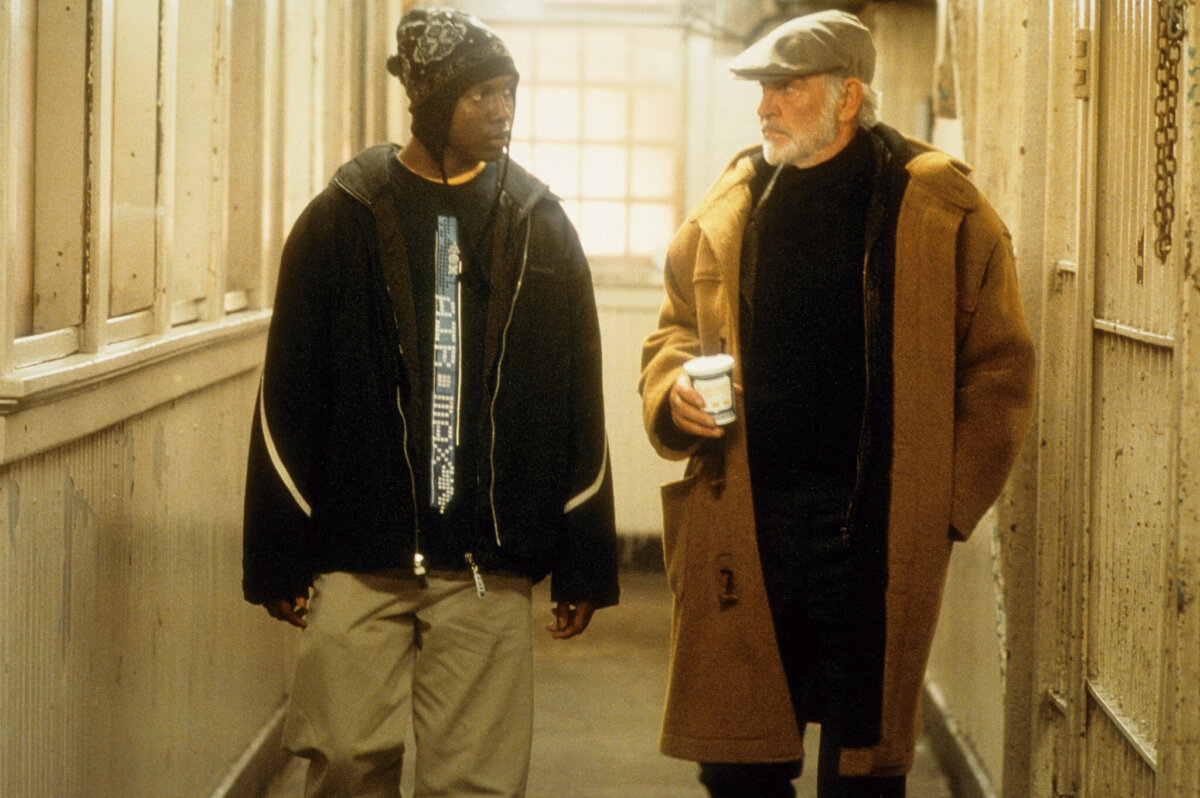
“Finding Forrester” prizes faithfulness and integrity above reward and recognition.
A charismatic, black teenager from the Bronx, Jamal Wallace (Rob Brown) wants to be a basketball star. At least he wants others to think so. Secretly, though, he writes poetry and verse, but he’s not sure if he has the chops to make a good writer.
He strikes up an unlikely friendship with Scottish Pulitzer Prize-winning author William Forrester (Sean Connery). Forrester is sure that Jamal will make a great writer, not just a good one. Together, they must find out which prevails: the man’s certainty or the boy’s confusion.
As the eccentric, erstwhile writer mentors the aspiring one to find his voice, is there a chance he’ll find his own? In teaching Jamal to write better, might Forrester himself learn to embrace a freer, happier life than the one he’s condemned himself to?
Jamal’s school grades reflect where he believes his future lies—in mediocrity. His swagger, low-hung jeans, basketball smarts, street slang, and cultivated indifference appear to announce that he doesn’t need to reach anywhere. He’s already arrived. His teacher tells his working-class mom that he is scoring just enough to get by, but also just enough to not stand out. Sport is where he seeks (and finds) acceptance. But it’s in the world of the mind—and of ideas—that he must carve his niche.
Climbing Upward
Here, staircases signify possibilities. Young people like Jamal can either ascend to their true potential or sink down to their comfort zones. Jamal transitions from getting by in a middling school to scholarship with an elite school. This is a stairway he climbs tentatively, then assuredly.
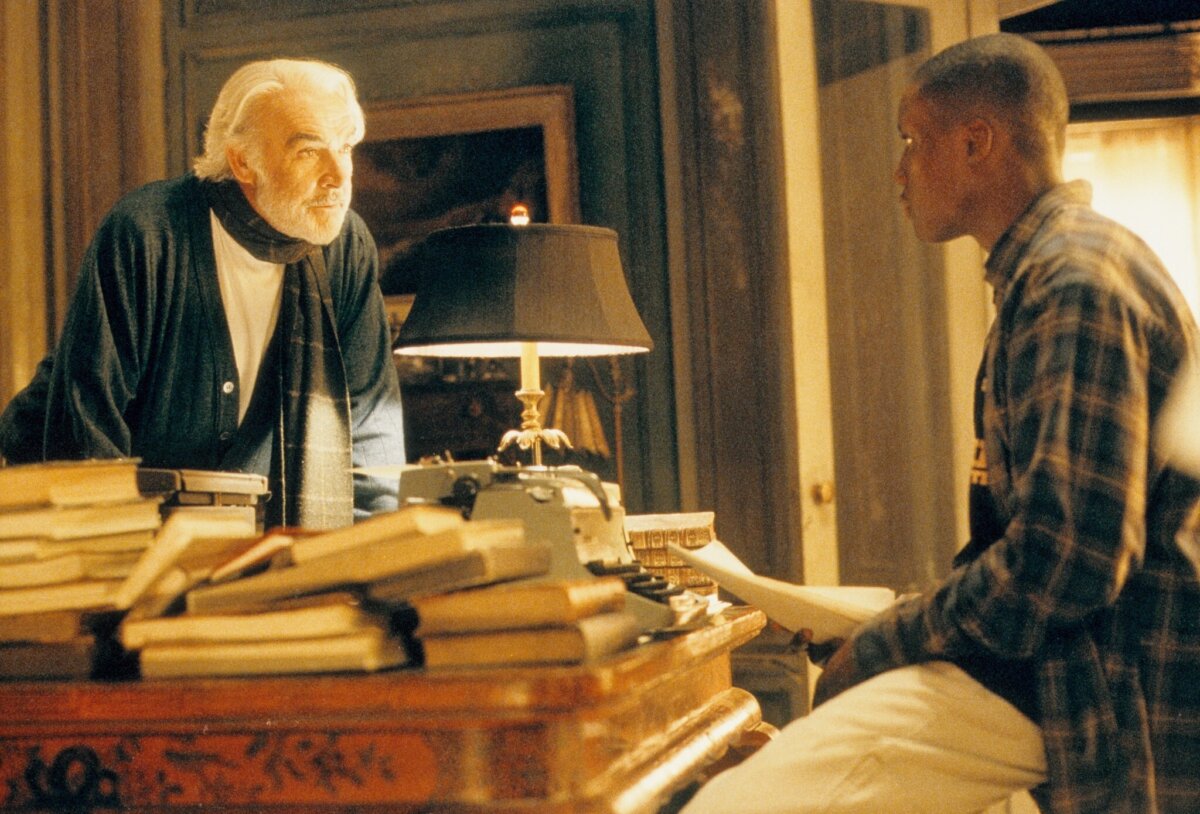
The film interweaves scenes from Jamal’s kinetic basketball court with those from thrust-and-parry writerly conversations in Forrester’s quiet, bookish apartment. Figuratively speaking, Forrester is coaching Jamal not to lose possession of the ball—his vocation as a writer. Jamal must practice pivoting and passing. He must rehearse his dribble and his dunk. But he must do this on a typewriter, too, not just on a basketball court.
Forrester prefers writing to its distractions: book readings, giveaways, signings, discussions. Reading is an art, as writing is. Both must stay private. Sure, the same words can be used for effect, as in a speech. But at its core, it’s one mind addressing another. There is such a sacred thing as the mind’s ear listening to itself reading, just as the body’s eyes and ears experience someone reading aloud. To Forrester, that isn’t always interchangeable.
Writing as Work
Children are taught to say “thank you,” “sorry,” and “please.” They are told to shut their eyes, fold their hands, bend their knees, and bow their heads in prayer before they ever know why. Faith doesn’t follow belief, it precedes it.
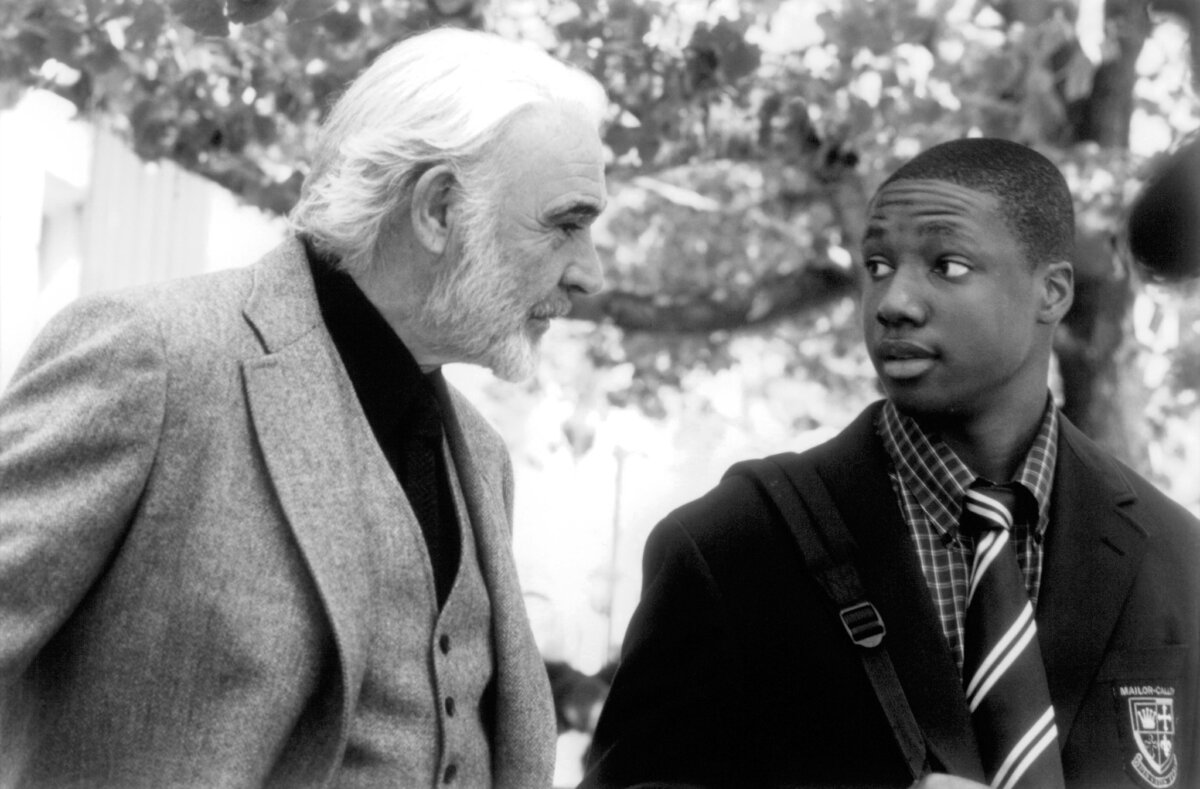
Likewise, Forrester tells Jamal not to think or overthink, but to write, to “punch” those keys. If he has faith in the process, it’ll become belief when the words are eventually his, bearing power as they strike the page. Character comes first; conviction, and the craft itself, follows. Work ethic comes now; art and adulation can come later. Having a work routine is important. Forrester insists that books be put back in their place on a bookshelf.
This discipline of writing anyway, anyhow, before it becomes writing with purpose and meaning, only seems like a lie. It isn’t. It is as true of writing as it is of life. Only integrity that’s practiced becomes spontaneous, and this stays with the writer and the person regardless of the tools he uses.
There is a scene wherein a professor alleges that Jamal is claiming credit for an essay that isn’t his. The film’s message is that plagiarism may be a tempting shortcut to some, especially in the age of AI. But it’s a lie to oneself first, before it even begins to look like a lie to others.
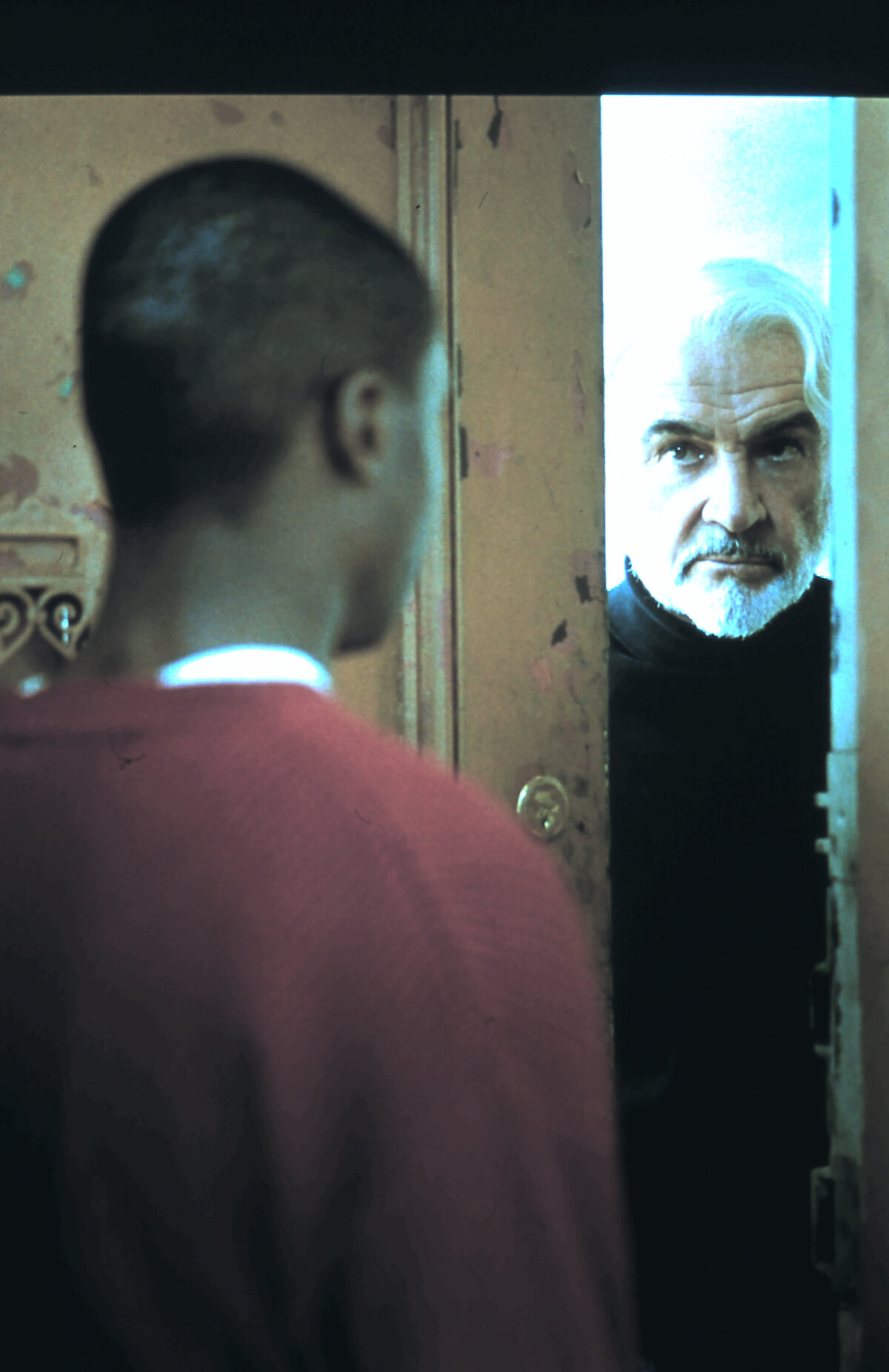
Sixteen-year-old Jamal stands, shuffling his feet at Forrester’s forbidding door like a figurative screen cursor that pulsates with possibilities but is somehow also frozen in the moment. Schooled on a typewriter, Forrester doesn’t quite know what to do with this cursor. One thing he does know, though. He must help it move. And go forward.
The elusive Forrester personifies Jamal’s yet-to-be fulfilled destiny as an accomplished writer, seeing him down on that basketball court as clearly as if through a pair of binoculars. Never mind that Jamal, squinting up at Forrester’s apartment, can’t yet see his future self through that confoundingly curtained window.
These reflective articles may interest parents, caretakers, or educators of teenagers and young adults, seeking great movies to watch together or recommend. They’re about films that, when viewed thoughtfully, nudge young people to be better versions of themselves.
Check the Internet Movie Database website for plot summary, cast, reviews, and ratings.
You can watch “Finding Forrester” on Amazon Prime Video and Apple TV.
What arts and culture topics would you like us to cover? Please email ideas or feedback to features@epochtimes.nyc