SEARCH


On June 14, the United States will celebrate the 250th birthday of the U.S. Army. It was on that date in 1775 that the Continental Congress established a colonial military force authorized to represent all 13 colonies of the budding country. This newfound army became the United States’ first national institution.
Since then, more than 41 million men and women have served in all branches of the U.S. military. While in service, many of them acquired positive individual attributes, ranging from maturity and discipline to skills in various trades. After they returned to civilian life, what they had learned in uniform strengthened the country as a whole.
As unlikely as it may seem, all of us, whether or not we ourselves have served, can acquire any number of valuable life lessons by studying the battles and wars fought by our armed forces.
D-Day
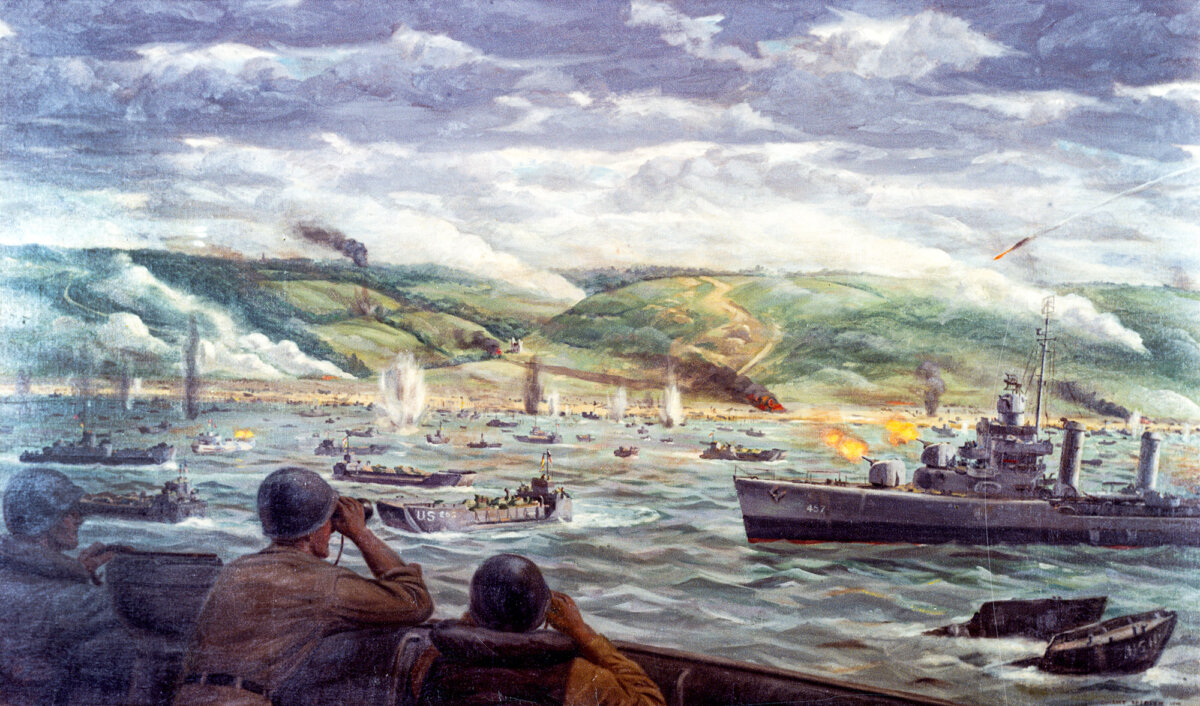
Dateline: In early June 1944, everything was in place for Operation Overlord, the greatest amphibious invasion in history.
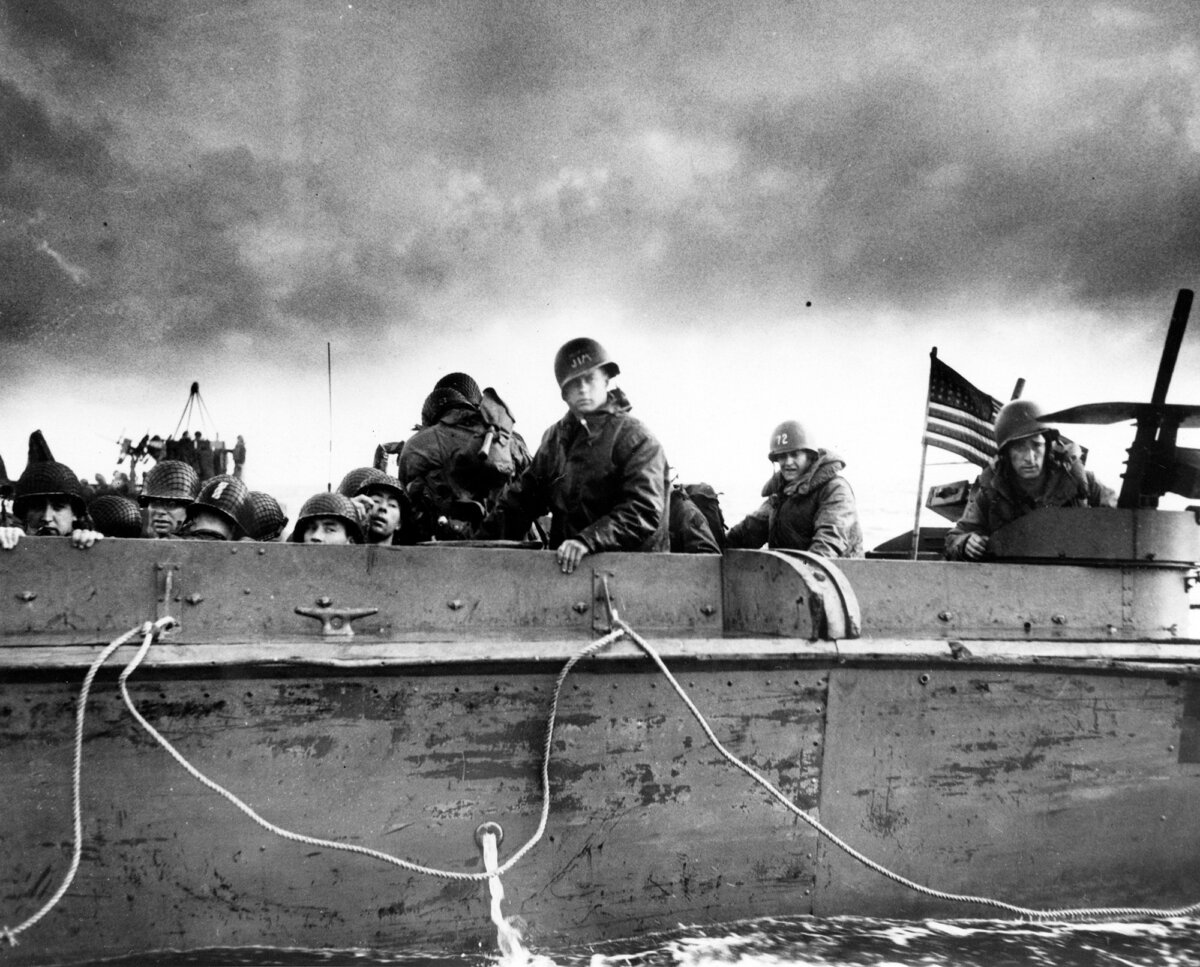
Standing by in British ports were 7,000 ships and landing craft, manned by more than 195,000 seamen from eight different countries. Nearly 133,000 troops from the United States, Great Britain, and other allies were crammed onto these ships, poised to invade Normandy and bring an end to the war that had already cost millions of lives. Hundreds of thousands of other soldiers waited to follow up this initial invasion, along with 148,000 vehicles and 570,000 tons of food, ammunition, medical equipment, and other supplies.
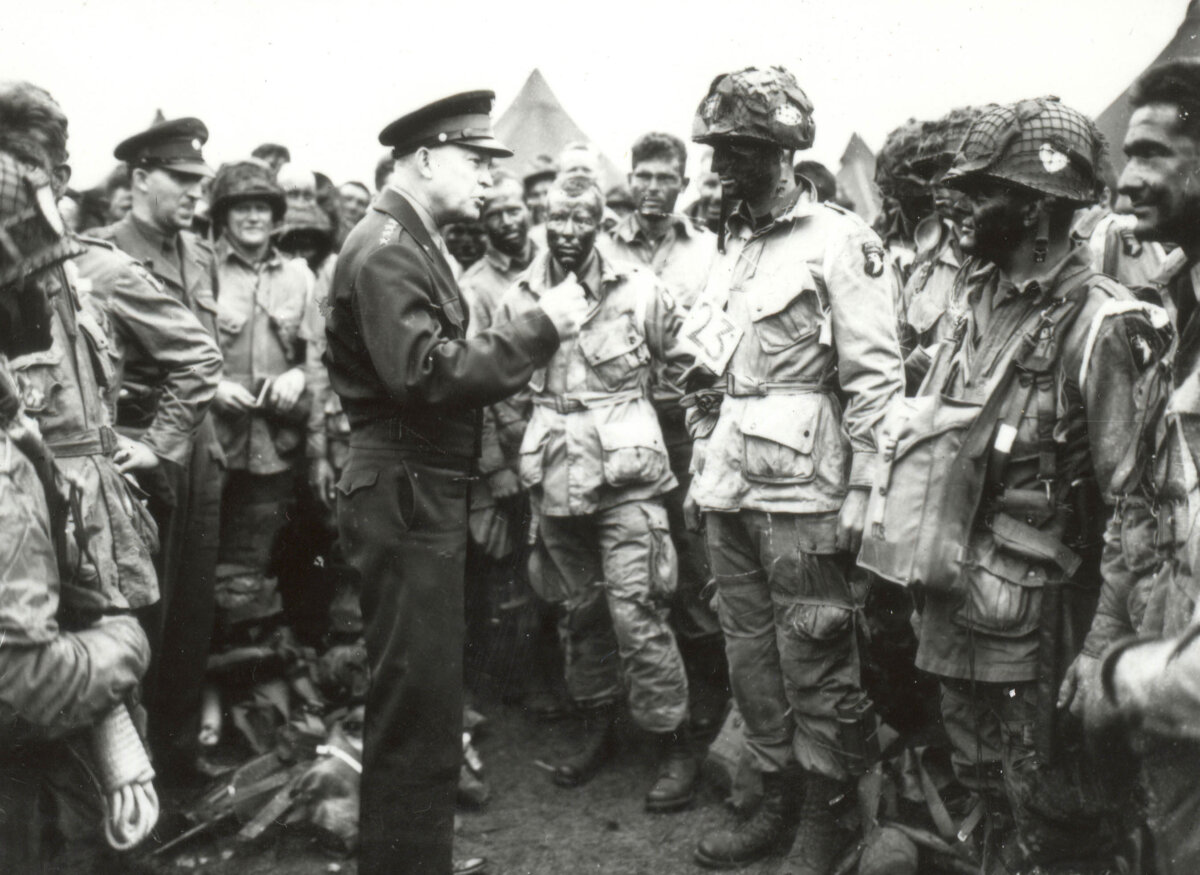
The supreme commander of this Allied Expeditionary Force, Dwight Eisenhower, was under enormous pressure to unleash this tsunami of military might on the Germans. Described by a reporter as “bowed down with worry … as if each of the four stars on either shoulder weighed a ton,” Eisenhower spent June 4 chain-smoking cigarettes and pacing back and forth. All the troops, ships, and planes were on standby, but on this day, what most concerned Ike and hundreds of other planners was not German firepower or the performance of the Allied troops in combat.
It was the weather.
Lesson 1: Keep on Top of the Weather
A break in bad weather determined the selection of June 6 for the 1944 Allied invasion of Normandy. All the planning and preparations for that attack on German forces in France came down to predictions made by a team of meteorological experts. Their information and advice had led to a two-day delay in the invasion and now helped to ensure its success.
Whether we’re aiming to improve our performance at work or a relationship with our spouse, as we make our plans, we should frequently check weather reports. Here, the comparison is not with the rain or the sunshine in our yards and streets, but with the weather in our hearts and minds. Is our interior weather gloomy and overcast, or sunny and mild?
In my analogy here, the weather represents our feelings and emotions. If those feelings are all thunder and lightning, it might be wise to allow the storm to pass before confronting an employee about a mistake, talking to our spouse about the need to share some household chores, or confronting our teen about his terrible performance in algebra.
Be your own meteorologist and keep an eye on that interior weather before taking action.
Lesson 2: Anticipate Obstacles
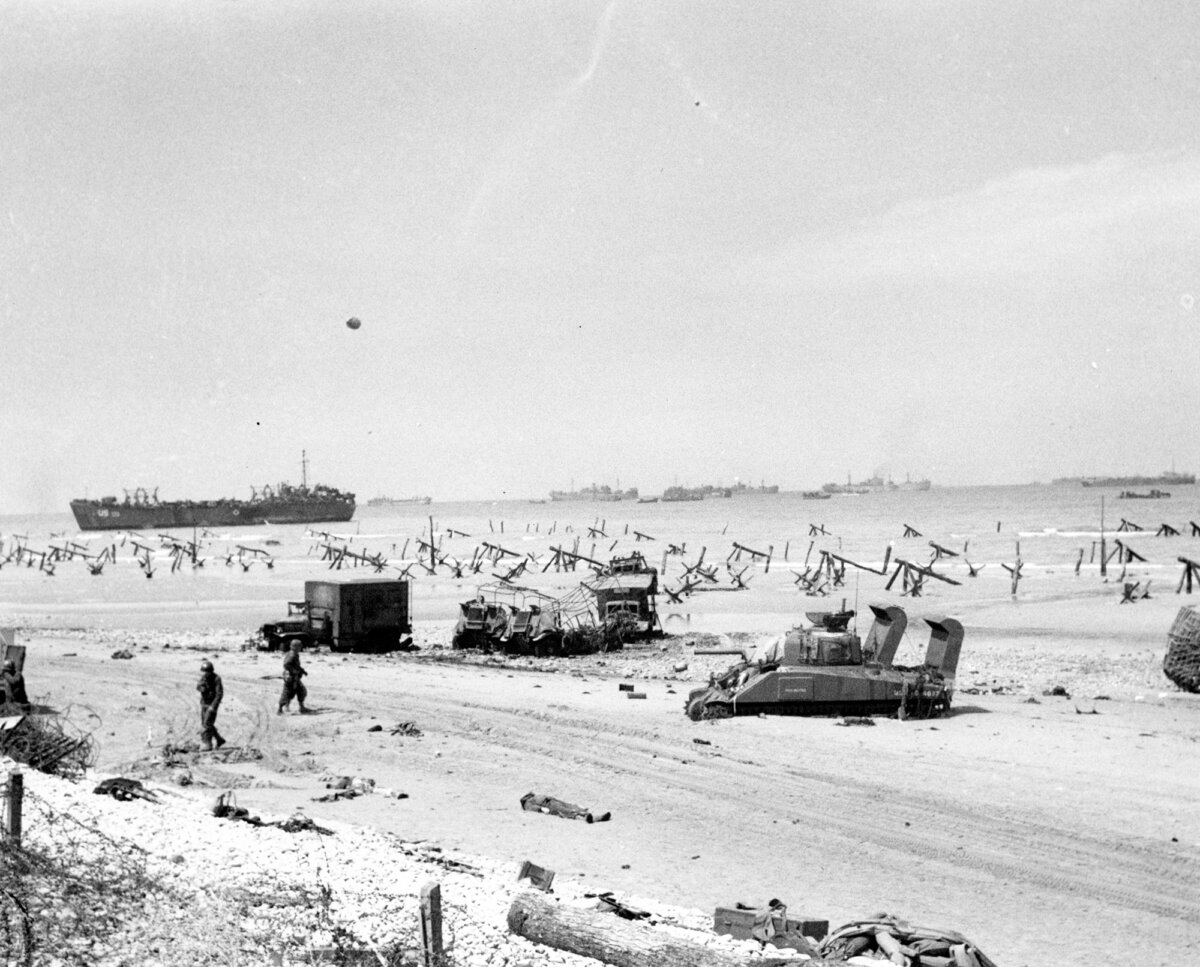
Soon after the landing in Normandy, the invaders, chiefly the U.S. troops, confronted the bocage, hedges, small fields, and sunken roads typically found in that part of France. The Normandy Victory Museum’s article, “The Battle of the Hedges, One of the Greatest Battles in History,” notes that “in their strategies, the Americans did not pay enough attention to the configuration of the bocage, comparable to a jungle from a military point of view.” This battle of the hedges bogged down U.S. efforts to move forward and resulted in heavy casualties in the weeks following the invasion.
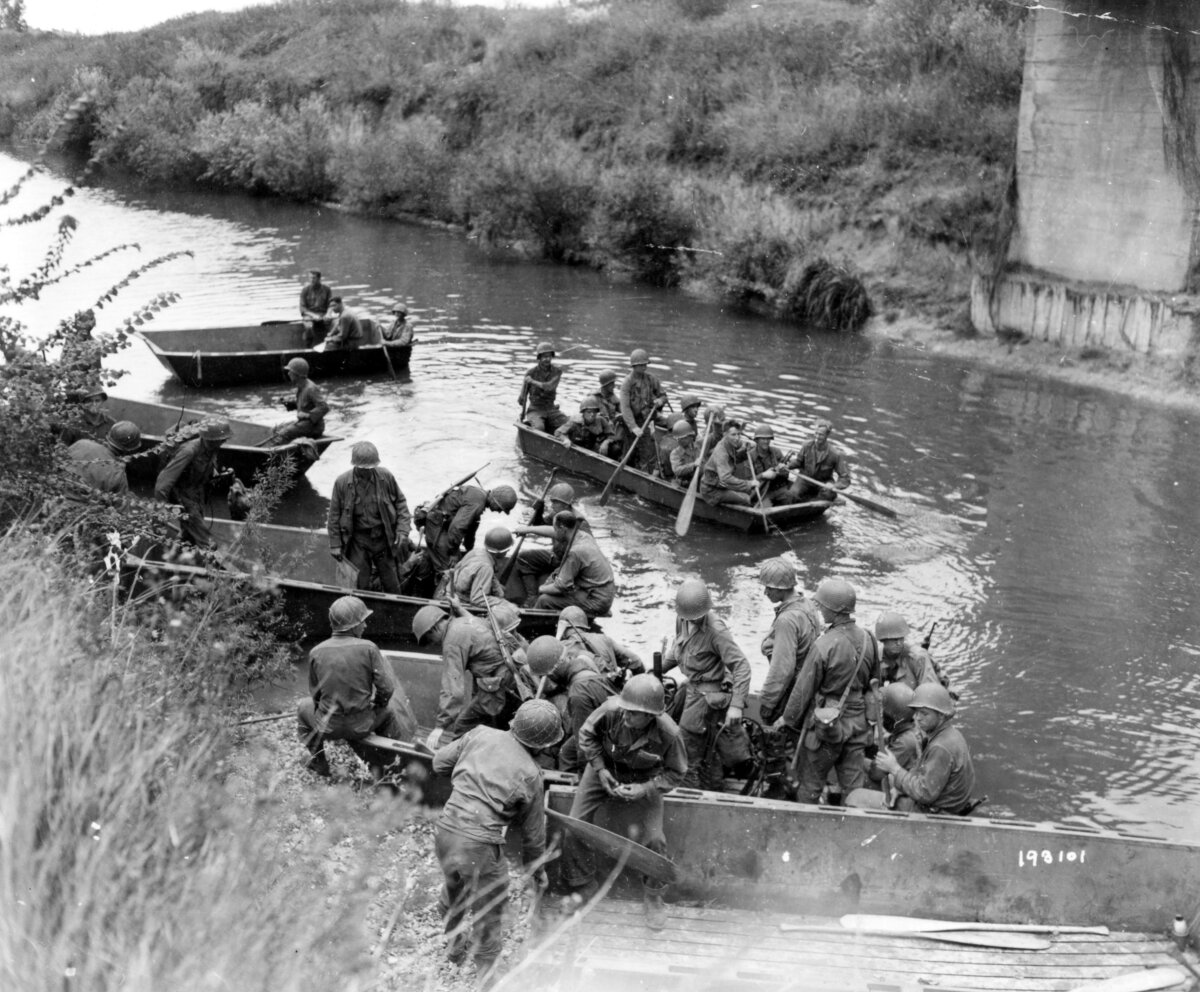
Here again is a lesson for us. When moving to a different state, opening a business, or even putting together a vacation—in these and in so many other pursuits, it’s easy to overlook some critical detail in our game plan. Here’s just one case in point: The leading cause for the failure of a small business is running out of cash, yet all too often people—and I speak from experience here—become so enamored of their plans and dreams that this key consideration is put on a back burner.
Even then, there are no guarantees. During a 1957 speech, President Eisenhower related an axiom he’d heard long ago in the Army: “Plans are worthless, but planning is everything.” In battle, the unexpected can easily occur, but the knowledge gained from careful planning can be invaluable when things take a turn for the worse.
Lay your plans, but expect the unexpected.
Lesson 3: Don’t Outrun Your Lines of Supply
If an attacking army outruns its line of supply, or if an enemy cuts that line, it can die like fruit on a severed branch.
By the end of July, the Allied armies had broken through the German resistance and picked up steam in their sweep across France, moving so fast, in fact, that the American First and Third Armies had reached the limits of their supply lines. Tanks don’t run without gasoline, nor can soldiers march and fight on empty bellies, and so began the Red Ball Express. Sometimes driving 20 hours a day, facing dangers from land mines and artillery fire, by the end of November, hundreds of truckers, the majority of them African-Americans, had delivered more than 412,000 tons of supplies to the front lines.
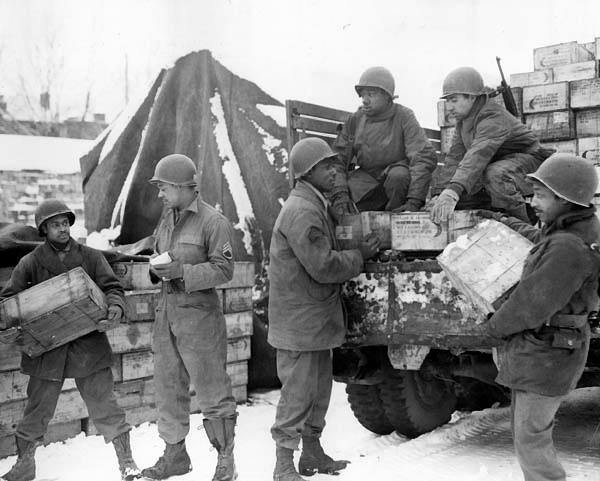
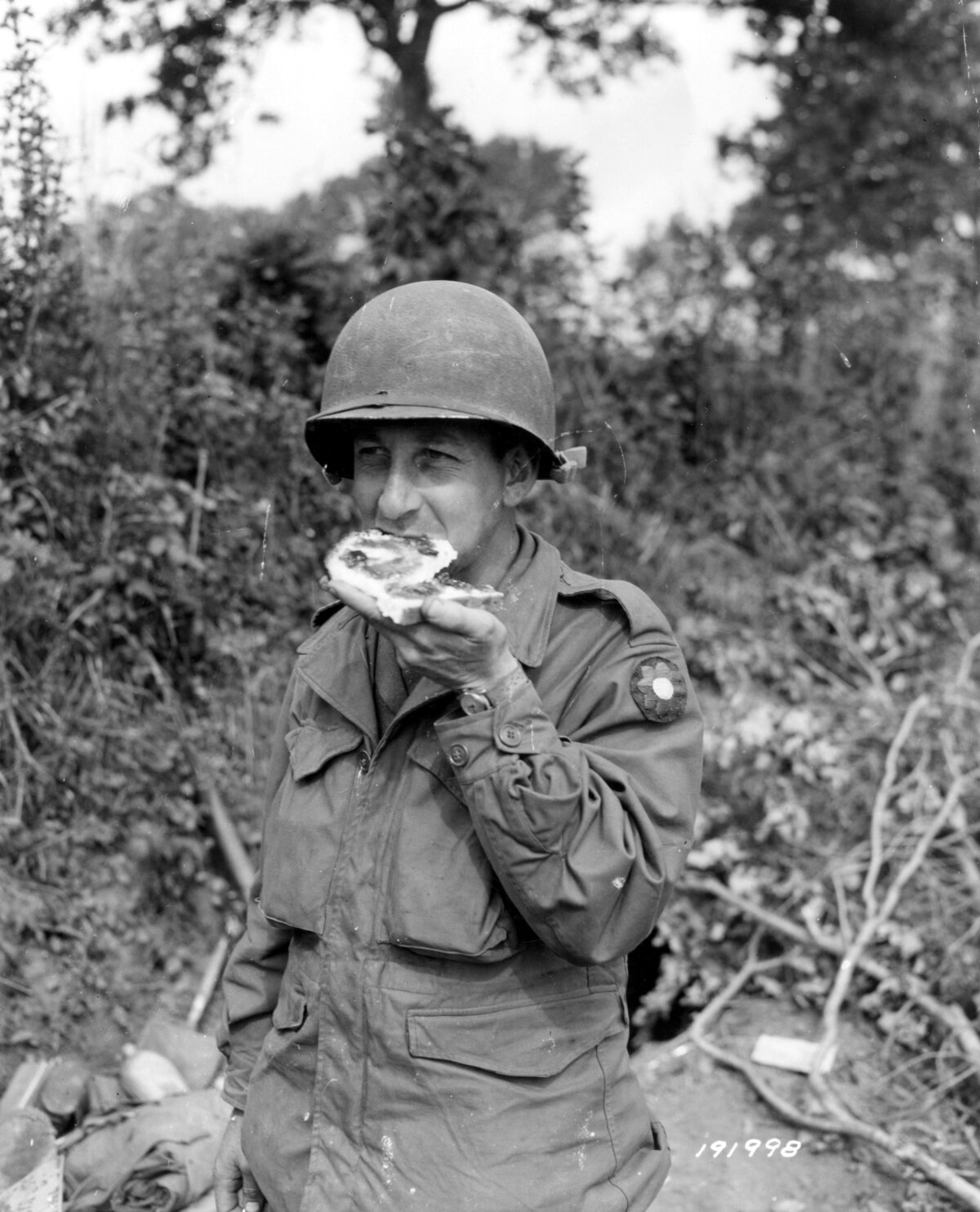
Here’s yet another lesson from the history books. At all times, but particularly when we’re under great strain—the loss of a job, the death of a spouse or a child—it’s vital to keep up our line of supply. Difficult as it may be, this means eating right, getting enough sleep and exercise, giving an ear to the advice of others, and leaning into our faith.
Do these things, and we remain in fighting trim.
Lesson 4: Face the Enemy and Keep Moving Forward
The soldiers who landed on D-Day at “Bloody Omaha,” the Rangers who assaulted Pointe du Hoc, the men who fought their way through the bocage—all these and thousands more faced two enemies. The first were the Germans opposite them. The second were the enemies within, those interior voices that surely urged them to hunker down, to retreat, to quit the fight for the day.
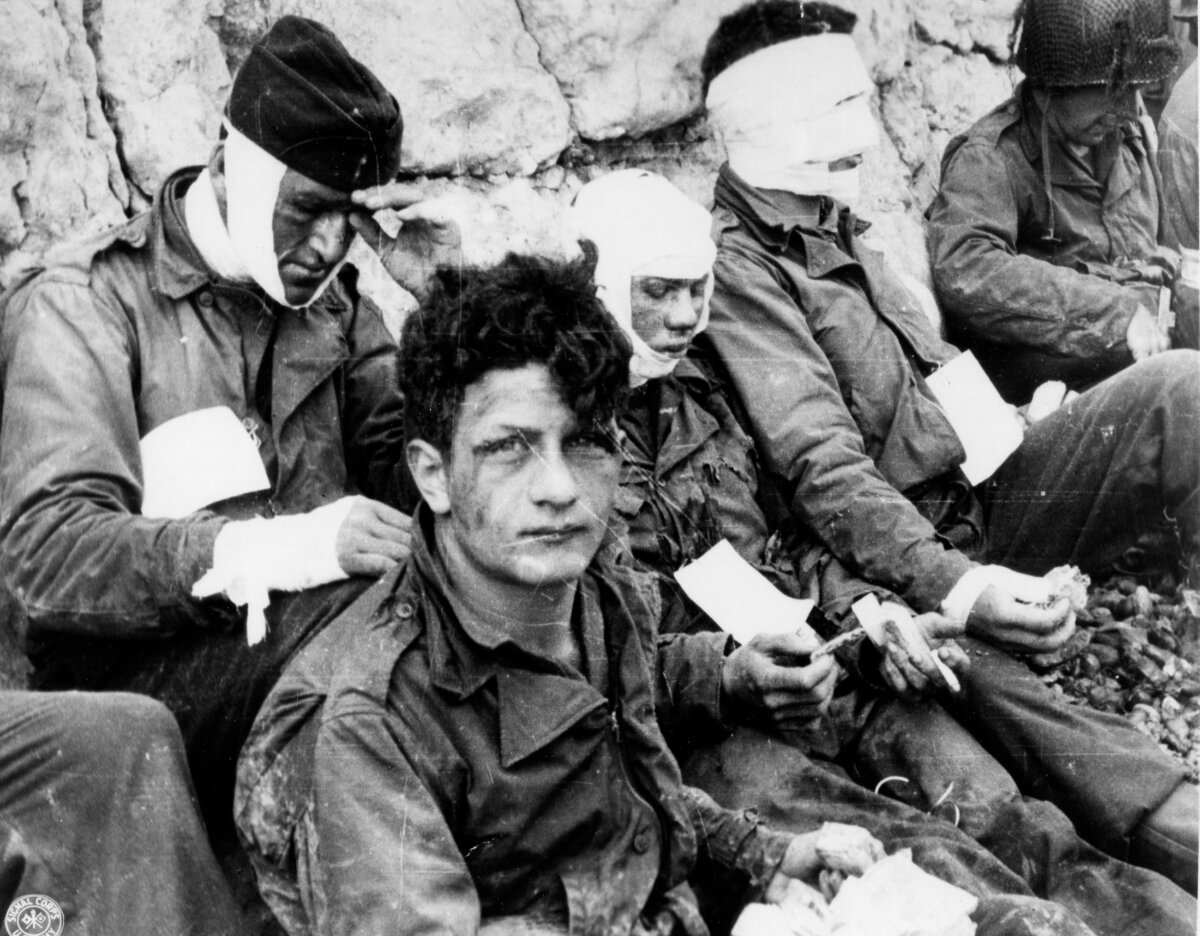
Every one of us knows those voices. They are the little whispers that tell us we’re not good enough, or that we’re bound to fail, or that we’ve gone far enough when we’ve only completed part of a mission. Even worse are those voices of arrogance, when some people think they are invincible and know everything and then fall blindly into an ambush of their own making.
Kick those voices of doubt or braggadocio to the curb, and like the Red Ball Express, keep on trucking.
With the Army’s 250th birthday at hand, and with the coming year filled with occasions marking the United States’ 250th anniversary since the signing of the Declaration of Independence, now is as good a time as any to study some of the past battles our country has both won and lost. Not only will you learn some history along the way, but also, you’ll find lessons in strategy, tactics, and leadership that will serve you in good stead in your own backyard battlefield.