SEARCH


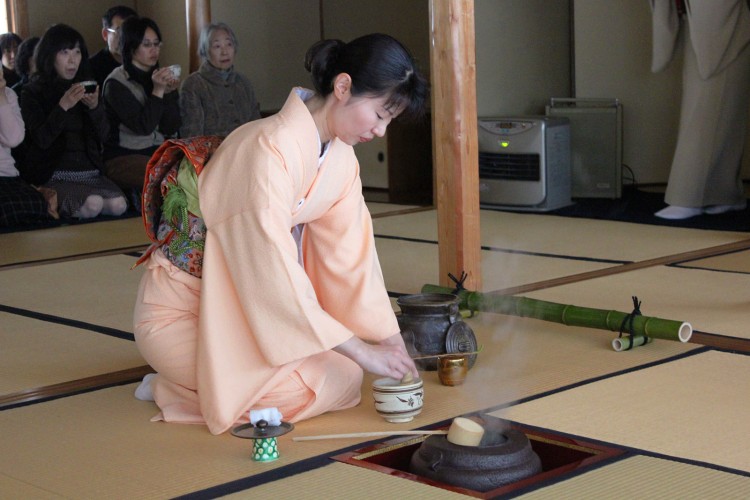
Various styles of traditional tea ceremonies from Japan, characterized by their sublime grace and elegance, have been perfected into an art form and in turn have inspired other art forms, including architecture and flower arranging. Tea was brought to Japan from China in the 9th century. The tea ceremonies that evolved were inspired by Buddhism.
The refinement of Japan’s Buke Sado, which literally means warrior-style tea ceremony, is attributed to Ueda Shigeyasu, a general who served under the legendary ruler Toyotomi Hideyoshi of the Momoyama Period (1573-1603). Soko, pronounced Souko, was the general’s Buddhist name after his initiation as a monk. Ueda Soko perfected the warrior-style tea ceremony.
Soko (1563-1650) was known as a courageous warrior and also as a man of refined taste with a passion for tea ceremony. He was taught the art by renowned tea ceremony master Sennorikyu. After the master’s passing, Soko studied under his preeminent disciple, Furuta Oribe.
Soko was said to have incorporated Sennorikyu’s serenity and Oribe’s elegance into his own distinctive Ueda Soko tea ceremony style. While faithfully adhering to the norms of the warrior-style, Ueda Soko also embodies the qualities of male vigor and female elegance.
Soko was also an outstanding garden and landscape architect. According to historical records, he designed and constructed a garden named Shukkeien, a major tourist attraction in Hiroshima. The grounds include tea houses, a wafudou Japanese style courtyard, and the Soko family library and study house, all in the Ueda Soko style, and characteristic of the Edo period warrior style architectural design. The buildings house an impressive number of books and ancient props.
During the Edo Period (1603-1867), the warrior-style tea ceremony was initially propagated by the Asano family, and later evolved into the Ueda Soko style. With its central location in Hiroshima Prefecture, it has attracted a great number of scholastic followers. The current headmaster, Soushi, is of the 16th generation.
The Spirit of the Tea Ceremony
Japanese tea ceremony is somewhat like martial arts in that it requires the cultivation of one’s character. The four foremost traits one must embody are gentleness, respectfulness, purity, and serenity. Sennorikyu once said that these qualities best capture the fundamental spirit of the tea ceremony.
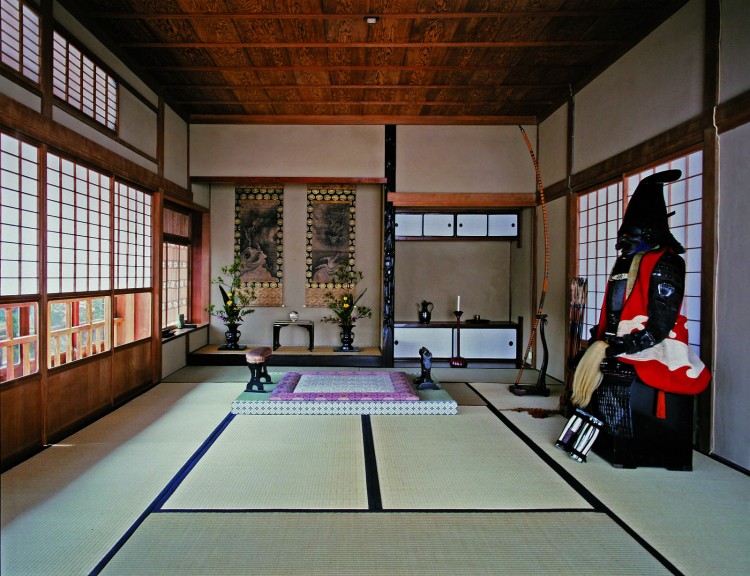
Soko lived in an era scathed by frequent wars. Life was filled with turmoil and uncertainty. The inherent nature and power of the tea ceremony could calm and steady mind and will, and elevate one’s consciousness toward a spiritual realm.
Of the numerous tea ceremony props, the bamboo tea ladle stands out. Legend has it that while Soko awaited the approach of enemy troops, he would carve out a tea ladle from a bamboo strip with a small knife. His traditional warrior attributes of courage and composure have inspired generations even to the present day.
A bamboo tea ladle carved by Soko is therefore a prized object in the present Ueda Soko headmaster’s possession.
Meeting the Headmaster
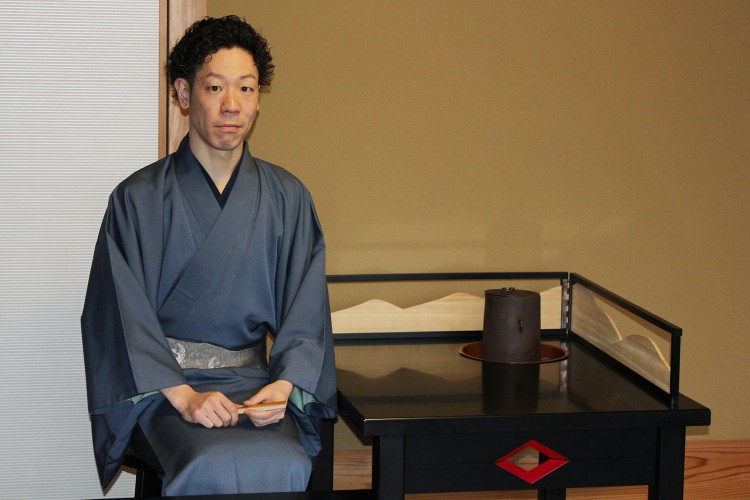
Physical preparations include sweeping the yard, washing and wiping down the tea set, and preparing desserts. All these tasks should be performed by engaging one’s heart, which will invariably be felt and appreciated by the guests, Mr. Ueda said.
He also explained that the etiquette of the Ueda style is unique in its straight-line movements, which convey the heritage of warriors shooting arrows while astride horses.
An essential prop in the warrior style tea ceremony is a fan. The fan is symbolic of the warrior’s sword and is used ceremoniously when greeting and communicating with guests.
But one’s state of mind and attitude are key in the study and appreciation of the tea ceremony. More important than the taste of tea is the preparer’s discipline, his skills acquired from consistent, regular practice, and his sincere and selfless mindset of putting others ahead of self.
Read the original Chinese article.