SEARCH


The holiday season is a time for gifts, decorations, and lots and lots of food. As a result, it’s also a time of spectacular amounts of waste. In the United States, we generate an extra 5 million tons of household waste each year between Thanksgiving and New Year’s, including three times as much food waste as at other times of the year. When our total food waste adds up to 34 million tons each year, that equals a lot of food.
With the holidays now upon us, the Worldwatch Institute offers simple steps we all can take to help make this season less wasteful and more plentiful.
“Family, community, love and gratitude are all unlimited resources,” says Worldwatch President Robert Engelman.
“Unfortunately, food and the energy, water and other natural resources that go into producing food are not. The logical strategy is to let ourselves go in enjoying the unlimited conviviality and communion of the holidays, but to avoid wasting the limited resources. Even simple shifts toward sustainability—and reducing food waste is an easy one—can have major impacts when multiplied by millions of people.”
According to the United Nations Food and Agriculture Organization, roughly one-third of all food produced for human consumption—approximately 1.3 billion tons—is lost or wasted each year. Consumers in developed countries such as the United States are responsible for 222 million tons of this waste, or nearly the same quantity of food as is produced in all of sub-Saharan Africa.
Simple Steps to Follow
Before the meal: Plan your menu and exactly how much food you’ll need. Be realistic. The fear of not providing enough to eat often causes hosts to cook too much. Instead, plan out how much food you and your guests will realistically need, and stock up accordingly.
Plan ahead: Create a shopping list before heading to the farmers market or grocery store. Sticking to this list will reduce the risk of impulse buys or buying unnecessary quantities, particularly since stores typically use holiday sales to entice buyers into spending more.
Go small: The season of indulgence often promotes plates piled high with more food than can be eaten. Simple tricks of using smaller serving utensils or plates can encourage smaller portions, reducing the amount left on plates. Guests can always take second (or third!) servings if still hungry, and it is much easier (and hygienic) to use leftovers from serving platters for future meals.
Store leftovers safely: Properly storing our leftovers will preserve them safely for future meals. The U.S. Department of Agriculture recommends that hot foods be left out for no more than two hours. Store leftovers in smaller, individually sized containers, making them more convenient to grab for a quick meal rather than being passed over and eventually wasted.
Compost food scraps: Instead of throwing out the vegetable peels, eggshells, and other food scraps from making your meal, consider composting them. Individual composting systems can be relatively easy and inexpensive, and provide quality inputs for garden soils.
In 2010, San Francisco became the first U.S. city to pass legislation encouraging citywide composting, and similar broader-scale food composting approaches have been spreading since.
Create new meals: If composting is not an option for you, check out Love Food Hate Waste’s creative recipes to see if your food scraps can be used for new meals. Vegetable scraps and turkey carcasses can be easily boiled down for stock and soups, and bread crusts and ends can be used to make tasty homemade croutons.
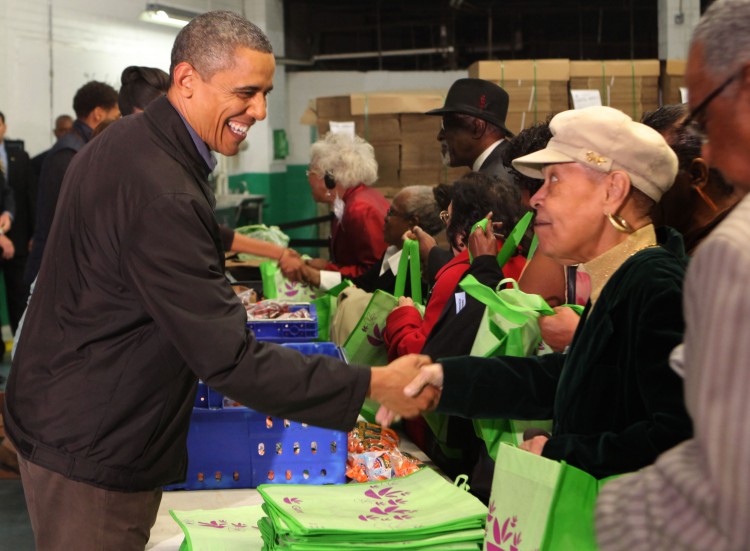
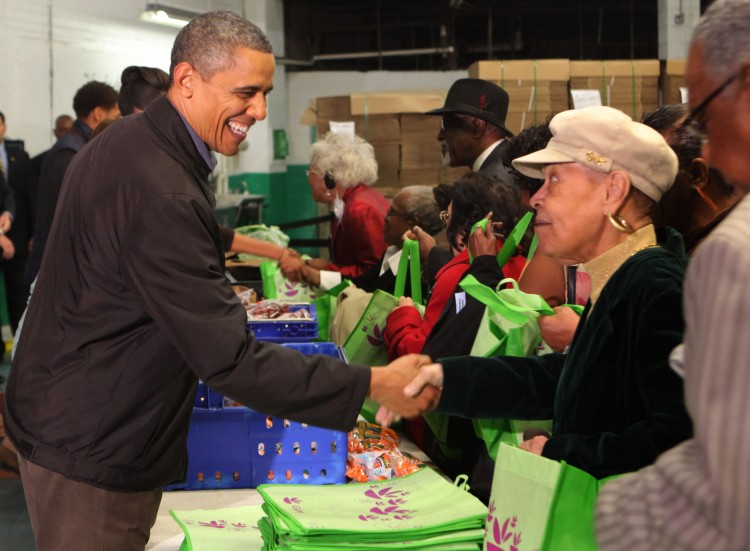
Donate excess: Food banks and shelters gladly welcome donations of canned and dried foods, especially during the holiday season and colder months. The charity group Feeding America partners with over 200 local food banks across the United States, supplying food to more than 37 million people each year. To find a food bank near you, visit the organization’s Food Bank Locator.
Support food-recovery programs: In some cases, food-recovery systems will come to you to collect your excess. In New York City, City Harvest, the world’s first food-rescue organization, collects approximately 28 million pounds of food each year that would otherwise go to waste, providing groceries and meals for over 300,000 people.
Give gifts with thought: When giving food as a gift, avoid highly perishable items and make an effort to select foods that you know the recipient will enjoy rather than waste.
The Rainforest Alliance, an international nonprofit, works with farmers and producers in tropical areas to ensure they are practicing environmentally sustainable and socially just methods. The group’s certified chocolates, coffee, and teas are great gifts that have with long shelf-lives, and buying them helps support businesses and individuals across the world.
Worldwatch is an independent research organization based in Washington, D.C., that works on energy, resource, and environmental issues. The Institute’s State of the World report is published annually in more than 20 languages. For more information, visit www.worldwatch.org.