

The Queensland LNP government will continue its pause on puberty blocking (stage 1) and hormonal drugs (stage 2) for youths with gender dysphoria.
The announcement comes on the back of the release of 532-page independent review into the use of the medications in young people in the state’s public health system.
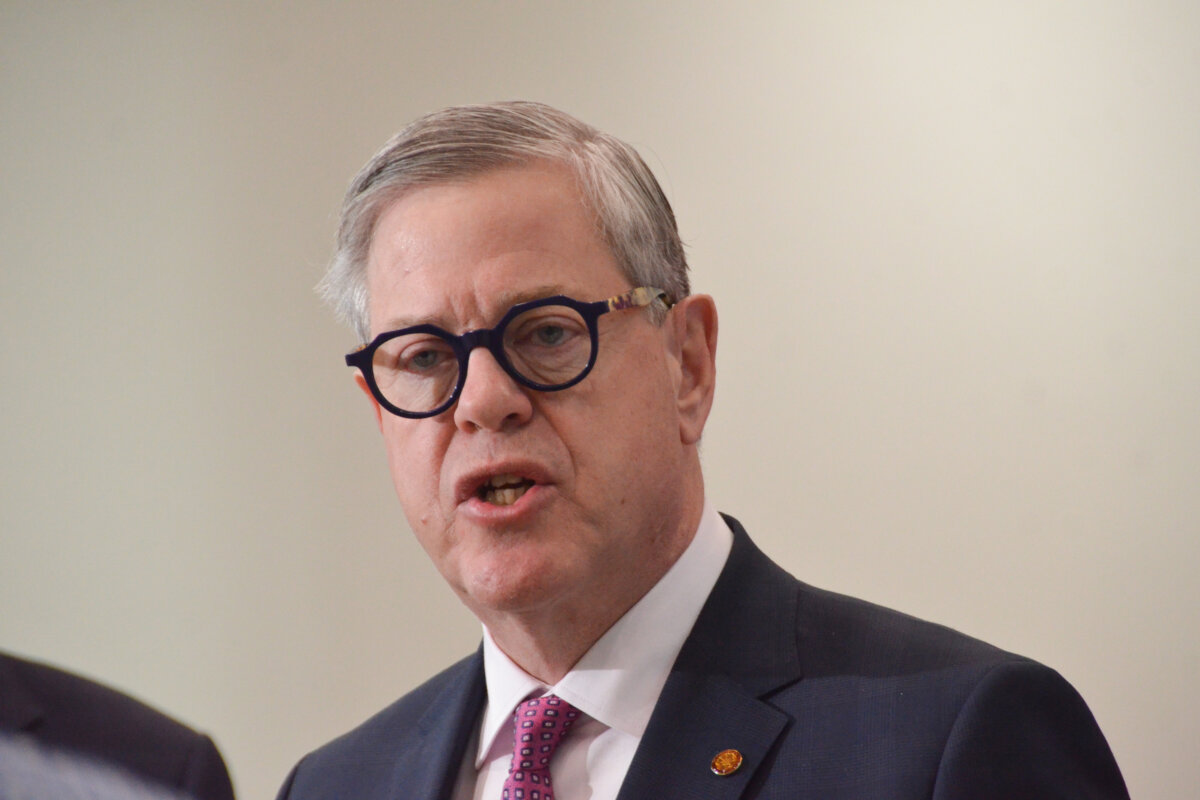
Health Minister Tim Nicholls said the local report by Professor Ruth Vine found there was “limited” evidence to back the continued use of Stage 1 and 2 drugs on children, as well as its risks or benefits.
“Cabinet has carefully considered the review and its policy advice and has decided that the current pause of the initiation of puberty blockers and gender affirming hormone treatment for minors in the public health system for the treatment of gender dysphoria will continue until 2031 at which time the UK’s trial is expected to be completed and results available,” he said.
“This is consistent with the recently announced model for treatment in New Zealand.
“Existing patients will continue to receive treatment from Children’s Health Queensland, and all children with gender dysphoria will continue to have access to non-medical interventions, including mental health and wellbeing support.”
At the start of the year, the federal government also launched its own concurrent review into the use of puberty blockers, expected by the middle of 2026.
The review itself did not call for a continued ban, however, the state government has decided that would be the most appropriate course of action.
Other Findings Point to Broader Health Issues
The report found a number of concerns around gender treatments in young people in addition to the lack of quality evidence, particularly the long-term effects on bone health, fertility and neurological development.
“There is comparably more research relating to measuring short-term bone health than relating to long-term outcomes such as osteoporosis or fracture risk,” the report states.
The report noted bone health may be compromised in adolescents who undertake gender treatments, noting that those born male were more likely to suffer issues around bone mineral density.
It also found uncertainty around whether treatments had a significant impact on height, but did found they were generally not problematic for cardiac health.
Limitations are also apparent when it comes to overseas studies with a reliance on small sample sizes, a lack of randomised controlled trials, and minimal follow-up periods.
There is also uncertainty around whether underage people can consent and fully understand procedures that may have permanent or life-changing consequences.
And while the review does find that research generally shows some benefit in treatments reducing patients’ distress, it also notes that the evidence is not comprehensive enough for a definitive conclusion, in part because young people with gender distress also have other mental health conditions.
Additionally, the report was unable to reach a conclusion on cognitive development impacts due to a lack of expert information.
In summarising, Vine’s report found the effects of puberty blockers were reversible, that if used they’re best started early and used for a limited time.
“We have concluded that, with proper oversight and appropriate reporting, there can be benefit for a young person in being able to access puberty blockers,” the report noted.
Key Recommendations
Dr. Vine’s (pdf) review outlines potential sweeping reforms to Queensland’s children’s gender health services, warning that staffing shortages and disjointed governance are placing patients at risk.
The review calls on Queensland Health to openly affirm its support for youths with diverse genders, backed by a clear communications strategy and “destigmatising” information for health staff and the wider community. It says consistent public messaging is needed to improve trust and understanding around gender services.
A central recommendation of the report is the creation of a state-wide, networked gender service.
Under the proposal, the Queensland Children’s Hospital’s gender service would operate as a tertiary referral centre, responsible for complex cases, clinicial education and training, research and clinical guideline compliance.
The network would also work with private providers and community organisations, supported by new funding and an analysis of population needs and workforce requirements, recognising a shortage in medical, nursing, allied health, and administrative staff.
It further states that without staff increases, broader reforms relating to governance, education, data collection and research cannot proceed. Wait time will also come under the scalpel.
The review further recommends establishing a dedicated governance committee involving clinicians, hospital executives and external stakeholders.
Ban Risks Lives, Greens Say
Greens Senator Dr. Nick McKim has previously expressed his concerns around banning puberty blockers, claiming they go against “everything we know about gender-affirming care.”
“The LNP’s actions here are truly disgusting, placing young trans folk in the middle of a culture war of their own creation, using them as a public punching bag, and knowingly risking young lives in the process.” he said in a statement.
“Gender-affirming care saves lives. It helps trans and gender diverse people thrive, live with dignity, and be themselves. It should never be used as a political football.”