
The federal government still hasn’t issued an order banning 4G and 5G equipment from Chinese telecommunications companies Huawei and ZTE, despite a law passed over five months ago allowing them to do so, the House Committee on Procedure and House Affairs heard Nov. 24.
Bill C-8, which went into effect in June, amended the Telecommunications Act to give Ottawa the power to ban the use of equipment from telecommunications suppliers assessed as posing a national security risk.
Conservative MP Michael Cooper asked a Public Safety official whether the absence of a ban order was linked to Prime Minister Mark Carney’s efforts to establish closer ties with Beijing through a “strategic partnership.”
“Is the reason no order has been issued because Mark Carney is selling out our national security to appease the Beijing regime?” he asked Richard Bilodeau, assistant deputy minister at Public Safety Canada and national counter foreign interference coordinator.
“I would direct you to ask questions to the minister and the department of ISI to respective part one of that legislation. It is their responsibility,” Bilodeau responded, apparently using an acronym derived from the former ministerial title of innovation, science and industry to refer to Innovation, Science and Economic Development Canada (ISED).
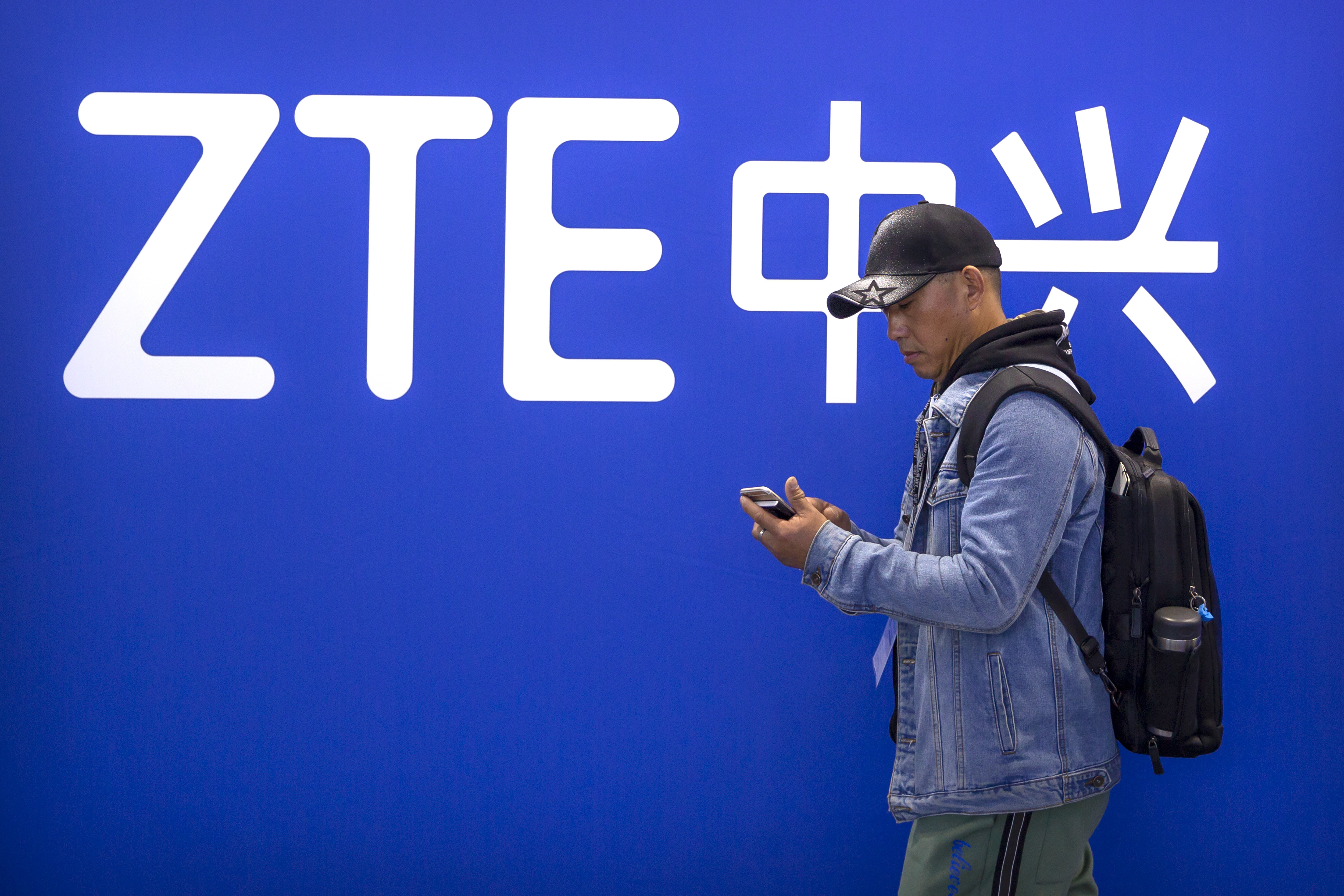 A man looks at his smartphone as he stands near a display for Chinese technology company ZTE at the PT Expo in Beijing on Oct. 31, 2019. (AP Photo/Mark Schiefelbein)
When asked by Cooper to clarify whether it was correct that Ottawa had not yet issued a ban on telecommunications equipment from the two companies accessing Canada’s 4G and 5G networks, Bilodeau said “as far as I know, that’s right,” but said further questions on the matter should be raised with ISED.
A spokesperson for ISED told The Epoch Times the orders to ban the telecommunications equipment for Huawei and ZTE “will be made in due course, in consultation with affected parties.”
“In the interim, the Government of Canada continues to encourage all service providers to consider security and past statements of policy intent when making procurement decisions,” the spokesperson said in a Nov. 26 statement.
Controversy Surrounding Huawei
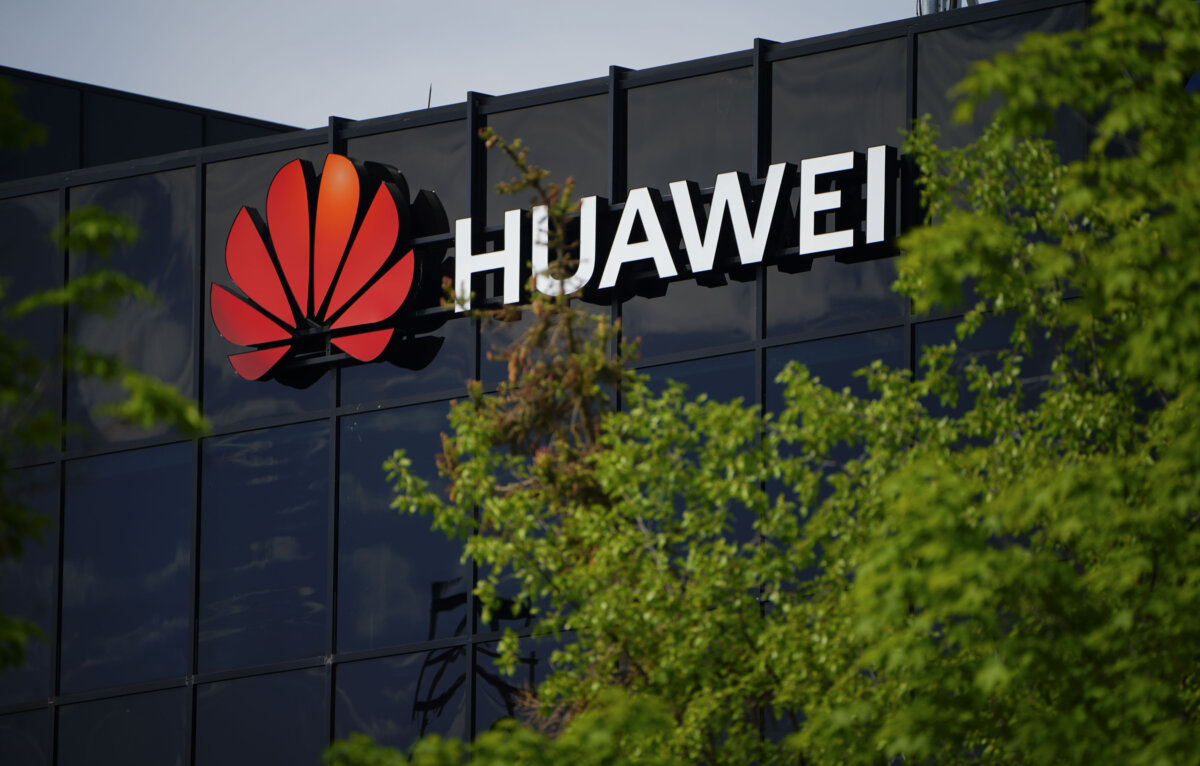
Huawei is a Chinese telecommunications equipment and technology company with close ties to China’s governing Chinese Communist Party (CCP) and military, while ZTE is a partially state-owned Chinese telecommunications equipment manufacturer that originated in China’s Ministry of Aerospace Industry.
On Nov. 24, a U.S. federal jury convicted Huawei and its subsidiaries on 10 of 12 criminal counts, including conspiracy to steal trade secrets, bank fraud, and engage in violations of U.S. sanctions on Iran.
 A man walks past a company sign at a NortelNetwroks office tower in Toronto on Feb. 25, 2009. (The Canadian Press/Nathan Denette)
Former Nortel senior cybersecurity adviser Brian Shields has said he detected cyber intrusions for years, and traced them to China. Defence Minister David McGuinty acknowledged the incident earlier this year.
“We’re going to have to be vigilant. We have experience with this issue of the loss of intellectual property over time, for example, of Nortel previously,” McGuinty said during a press conference in August.
Huawei has denied stealing Nortel’s intellectual property or engaging in cyberespionage against the company.
The U.S. State Department said in 2020 that Washington would reassess its intelligence-sharing with Canada if Ottawa continued to permit Huawei to participate in the development of its 5G network.
There have been other recent sources of tension between the two countries over defence issues, including a Nov. 20 classified memorandum from U.S. War Secretary Pete Hegseth that reportedly restricted some forms of cooperation between U.S. military personnel and the Canadian Armed Forces. A Nov. 23 Pentagon “fact sheet” also criticized Canada’s military spending and readiness, accusing Ottawa of underinvesting in defence, and failing to be a strong partner in the joint defence of North America.
McGuinty said Nov. 24 that bilateral Canada-U.S. military cooperation remains unchanged and added that Ottawa is on track to hit NATO spending commitments by 2035, while Carney said Nov. 25 that U.S. President Donald Trump had not brought up any concerns about Canada’s military capability or military spending during any of their recent conversations.
2022 Announcement on Ban
In a May 2022 policy statement, the federal government warned that Huawei and ZTE could be pressured by foreign governments to act in ways that conflict with Canadian laws or undermine the country’s interests.
“The Government of Canada has serious concerns about suppliers such as Huawei and ZTE who could be compelled to comply with extrajudicial directions from foreign governments in ways that would conflict with Canadian laws or would be detrimental to Canadian interests,” Ottawa wrote in 2022.
In its announcement, Ottawa also said it would restrict certain Huawei and ZTE equipment used in fibre-optic networks, but did not announce an overall ban on products from the two companies such as smartphones and laptops.
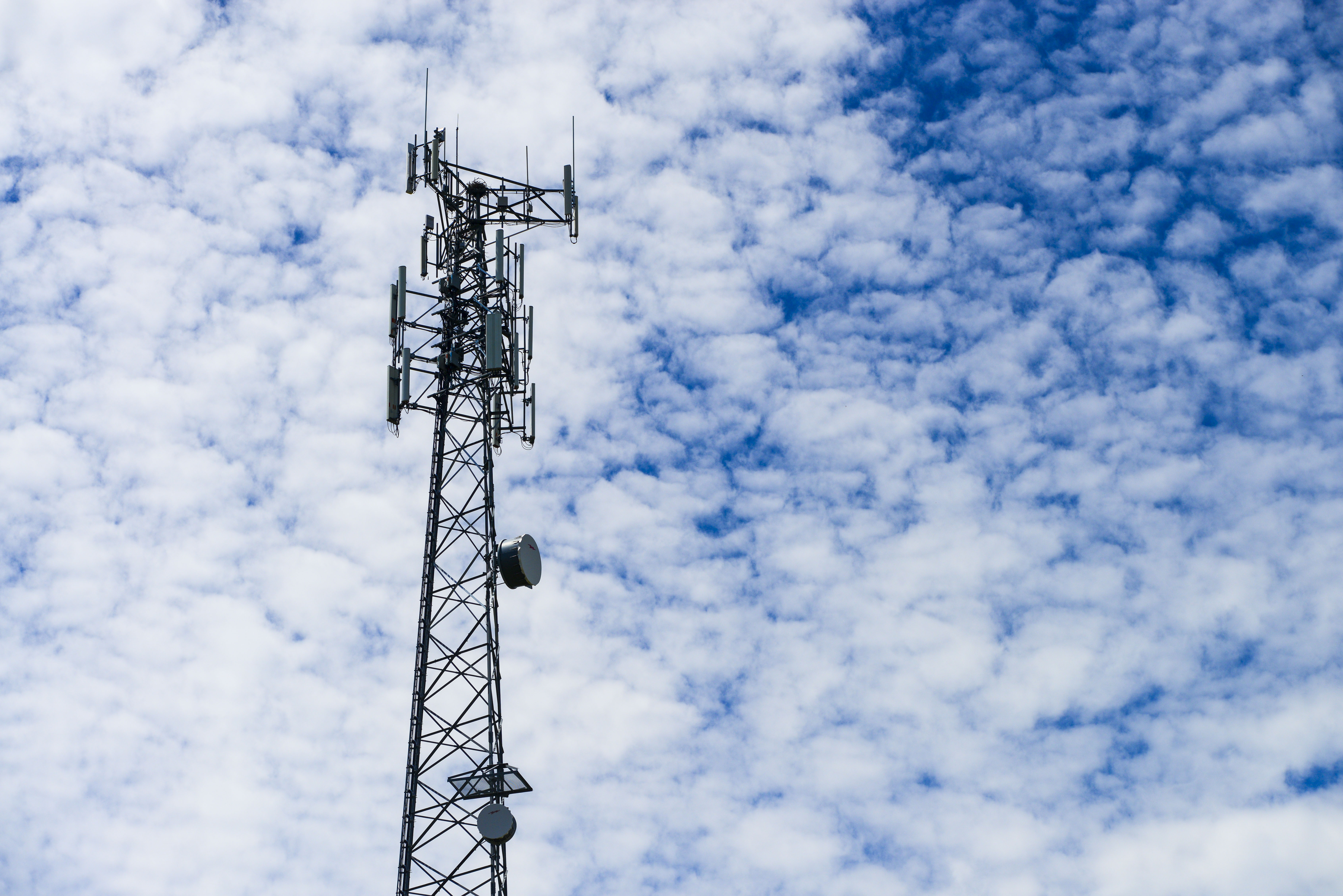 A cell tower is pictured in rural Ontario on July 15, 2020. (The Canadian Press/Sean Kilpatrick)
In response to a question from Cooper as to whether Huawei and ZTE pose a threat to Canada’s national security, Bilodeau said that they do.
“I’m not a technical expert on that. There was a policy statement many years ago, and so the answer to that is they do present a risk. But in terms of what that means … I’m not in a position to answer,” Bilodeau said, adding that the power to take action on the ban of telecommunications equipment from certain suppliers is the responsibility of the minister of industry.
“Needless to say, it’s unacceptable that this government isn’t using the tools that they have at their disposal to ban Huawei, which does pose a national security threat to Canada,” Cooper said.
Are Huawei and ZTE Still Accessing Canadian Networks?
In the 2022 announcement, Ottawa set a deadline of June 28, 2024, for all telecommunications providers to remove any existing Huawei or ZTE telecommunications equipment from their 5G networks.
The government also set a deadline of Dec. 31, 2027, for removal of telecommunications equipment from these two companies from Canadian 4G networks.
It remains unclear if all Huawei and ZTE telecommunications equipment has in fact been removed from Canadian 5G networks. CBC news reported in 2024 that all major Canadian telecommunications providers except Telus had complied with the policy.
Telus subsequently told The Globe and Mail in 2025 that it did not consider its equipment subject to the 2024 removal deadline because the Huawei equipment used on its 5G networks was originally designed for 4G networks, and had merely been upgraded to allow it to carry 5G signals.
ISED told The Epoch Times that in advance of a ban order being issued “the Government of Canada continues to encourage all service providers to consider security and past statements of policy intent when making procurement decisions.”