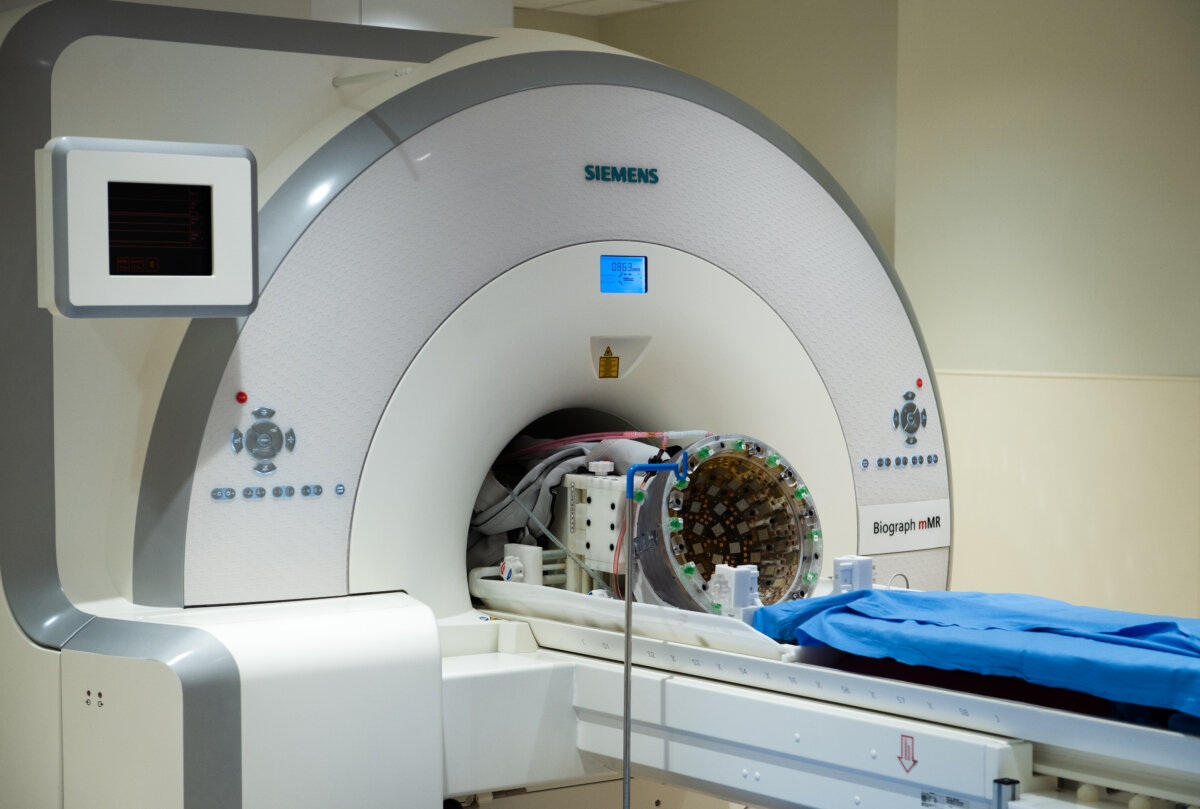

Alberta will spend nearly $14 million to expand the use of artificial intelligence (AI) technology on MRI machines, aiming to increase diagnostic imaging capacity and reduce wait times.
The province expects the expansion to increase MRI capacity by 20 percent and allow health-care facilities to complete more than 41,000 additional MRI scans annually.
The provincial government announced in a Nov. 12 release that it is working with Acute Care Alberta to expand the use of Health Canada-approved AI technology designed to shorten MRI examinations and improve access to diagnostic imaging. The technology will be installed on existing hospital MRI scanners in a bid to improve image clarity and reduce scan times, allowing health-care teams to examine more patients each day.
According to the government, a pilot project launched in April 2025 equipped 10 MRI scanners with the technology and resulted in nearly 12,000 additional scans.
The expansion follows a record year for diagnostic imaging in Alberta. The province said it completed more than 280,000 MRI scans, nearly 700,000 CT scans and more than 1.85 million X-rays in 2025-26.
Publicly funded MRI scans increased by 4 percent in 2025-26 compared with the previous fiscal year, while CT scans rose by 8 percent, the province said. The government plans to expand imaging capacity in acute-care hospitals and community settings to meet growing demand.
The province said the AI technology operates directly on MRI scanners and does not transmit patient records, imaging data, or personal information to external networks. It said existing privacy and security safeguards will continue to protect patient information.
The province said it expects to complete the rollout by 2028.
Previous Changes
Alberta announced in July that residents would be able to pay directly for medical tests, including MRIs, X-rays, CT scans and ultrasounds, without a doctor’s referral, beginning July 31. The change was part of the province’s broader cancer strategy, unveiled in June, which aims to improve cancer prevention, early detection, and treatment access.
Under the changes, patients may also qualify for reimbursement at established rates if a self-referred test leads to a new, previously undiagnosed cancer diagnosis and other eligibility requirements are met.
Provincial officials said X-rays typically cost between $20 and $140, ultrasounds range from $100 to $500, CT scans cost between $250 and $1,000, and MRIs range from $600 to $1,200.
The province said Albertans have been able to pay privately for imaging exams for decades, with the first private MRI clinic opening in the province in the mid-1990s. Officials estimated that privately paid imaging exams account for about 0.5 percent of all imaging exams performed in Alberta. They projected that the July changes could result in an additional 50,000 to 60,000 exams annually.
Clinics offering privately paid tests must continue to prioritize doctor-referred patients and provide privately paid services only after completing doctor-referred examinations, officials said.
Meanwhile, Alberta Health Services’ 2024-25 report showed that 42 percent of MRI scans were completed within established wait-time targets, down from 46 percent the previous year.
Alberta’s median MRI wait was 63 days between April and September 2024, compared with 57 days nationally. The report also showed that 80 percent of CT scans were completed within established targets in 2024-25.
Staffing constraints, aging equipment, and increasing referrals were among the factors contributing to MRI delays, the report said.