
The International Energy Agency (IEA) has said the global oil market is showing early signs of rebalancing after a rapid recovery in Gulf oil exports pushed global supply above demand for the first time since the war in Iran began.
In its latest monthly report, published on Friday, the agency said that global oil supply rose by 2.3 million barrels a day (mb/d) in October to 105.4 mb/d. The climb followed a 3 mb/d increase in September.
“The oil market is showing tentative signs of rebalancing, with global oil supplies surpassing demand for the first time since the outbreak of the war in Iran,” the IEA said.
The agency forecast that the market would return to a supply surplus in the fourth quarter of 2026, with a larger build expected in 2027.
But the agency warned that fuel markets remain under severe pressure, particularly for diesel, and its member countries are accelerating the release of emergency stocks, including more than 20 million barrels of diesel, to bridge the gap.
Global oil supply is expected to rebound by 6.6 mb/d in 2027, averaging 108.1 mb/d after falling by 4.8 mb/d this year.
World oil demand is forecast to decline by 2.7 mb/d in 2026 to 102.3 mb/d before recovering by 2 mb/d in 2027. The annual decline in demand is expected to moderate to 2.7 mb/d in the fourth quarter, down from an average of 4.4 mb/d in the second and third quarters.
Gulf Exports Recover
The IEA attributed much of the recovery to stronger Gulf crude exports, saying they rebounded much faster than global demand.
Observed global oil inventories increased by 52 million barrels in October, equivalent to 1.7 mb/d, marking the first monthly increase since June.
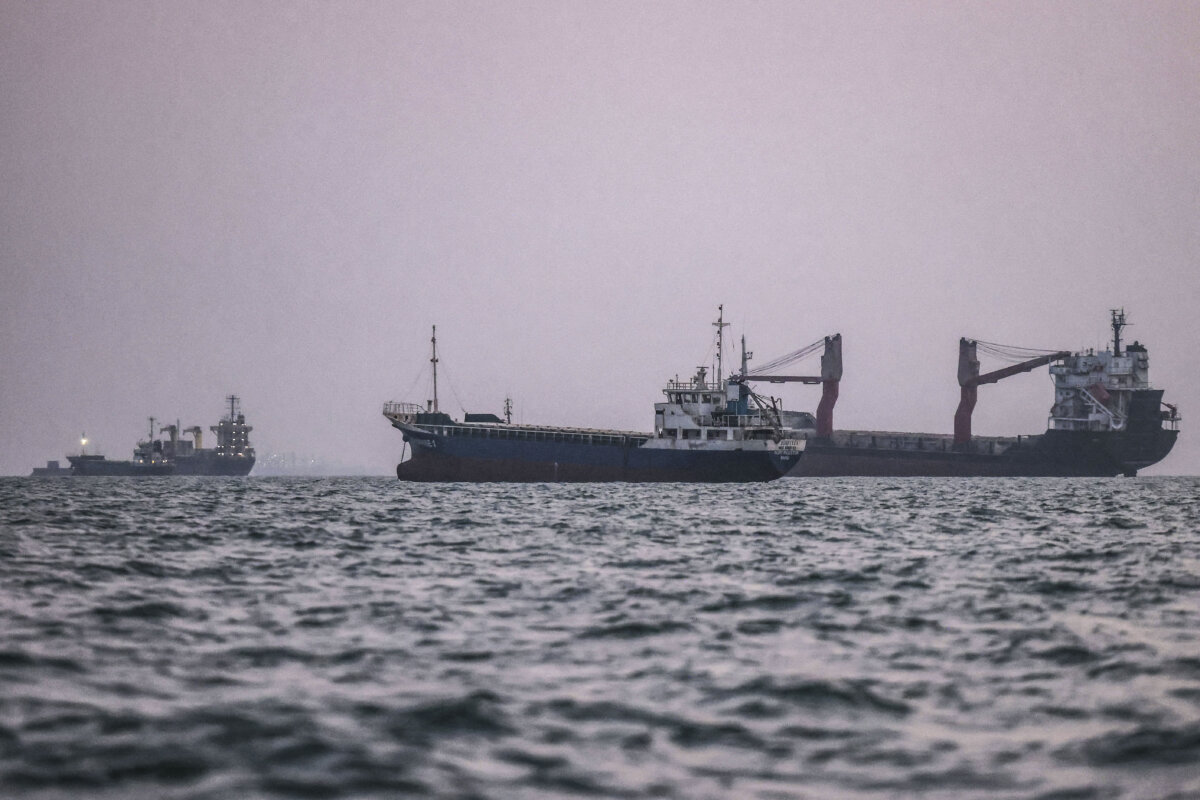
The agency said oil on water or oil in transit on tankers rose by 86 million barrels to its highest level since January as crude exports from the Gulf accelerated.
Despite the rise in oil on water, onshore inventories continued to decline and remained at their lowest level since at least 2016. OECD total inventories fell by 47 million barrels during the month, including a 41 million-barrel decline in industry stocks.
Overall, global inventories have fallen by a cumulative 462 million barrels since the start of the war, highlighting how much the conflict has tightened supplies.
The report showed oil producers continued to increase output in October as exports recovered. Total crude oil production by OPEC+ countries rose to 37.72 million barrels a day (mb/d) in October from 35.71 mb/d in September.
Saudi Arabia, Iraq, and Kuwait increased output in October, while Iran’s output edged down slightly from the previous month. Russia also increased production in October, although the report showed it remained 1.22 mb/d below its implied production target.
Diesel Shortage Concern
Despite improved crude supplies, the IEA warned that refined fuel markets remain under significant pressure.
It said global oil demand continued to be weighed down by disruptions to exports of refined products and liquefied petroleum gas from the Gulf, which remain around half their pre-war levels, as well as persistently high fuel prices.
Diesel supply remained the market’s biggest concern as continued attacks on Russian energy infrastructure reduced the country’s diesel exports, compounding supply losses from the Middle East.
Refineries in the Atlantic Basin, particularly in the United States, were operating at high rates to benefit from strong refining margins, while improved crude availability in Asia and new Chinese fuel export quotas could support higher refinery throughput.
The IEA’s 32 member countries are accelerating emergency stock releases.
After a meeting on Oct. 15, the agency said members had “agreed to take all necessary steps to complete the remaining releases of around 100 million barrels [of oil] in a timely manner consistent with national circumstances.”
As of mid-October, about 330 million have been released, with the United States accounting for more than 40 percent of the total. Some members have released more than they originally pledged.
The agency said it would accelerate the release of about 20 million barrels of diesel and urged countries that can produce more diesel to do the same.