
Commentary
Australia is among the world’s most fortunate nations. We possess vast natural resources, agricultural land, respected universities, skilled workers and stable institutions.
Yet our productivity growth has been sluggish, as the country catches tinges of “Dutch disease”—when a country becomes overly reliant on a booming commodity export to the stagnation of other sectors.
Two countries with fewer natural advantages offer valuable lessons: Singapore and Israel.
Singapore has virtually no natural resources, while Israel carries an extraordinary defence burden. Nevertheless, both have managed to build internationally competitive industries.
Singapore: Prosperity Without Natural Resources
When Singapore became independent in 1965, it faced high unemployment, had scarce resources, and a small domestic market.
Founding Prime Minister Lee Kuan Yew put effort into making the city state an attractive investment destination.
Its Economic Development Board coordinates foreign investment, infrastructure, and business approvals, reducing bureaucracy and helping multinational companies establish operations quickly.
In 1968, American semiconductor manufacturer National Semiconductor reportedly established operations within two weeks, and other international manufacturers soon followed.
Singapore also attracted major semiconductor investment from Micron and GlobalFoundries, while pharmaceutical companies Pfizer and GSK established significant manufacturing operations.
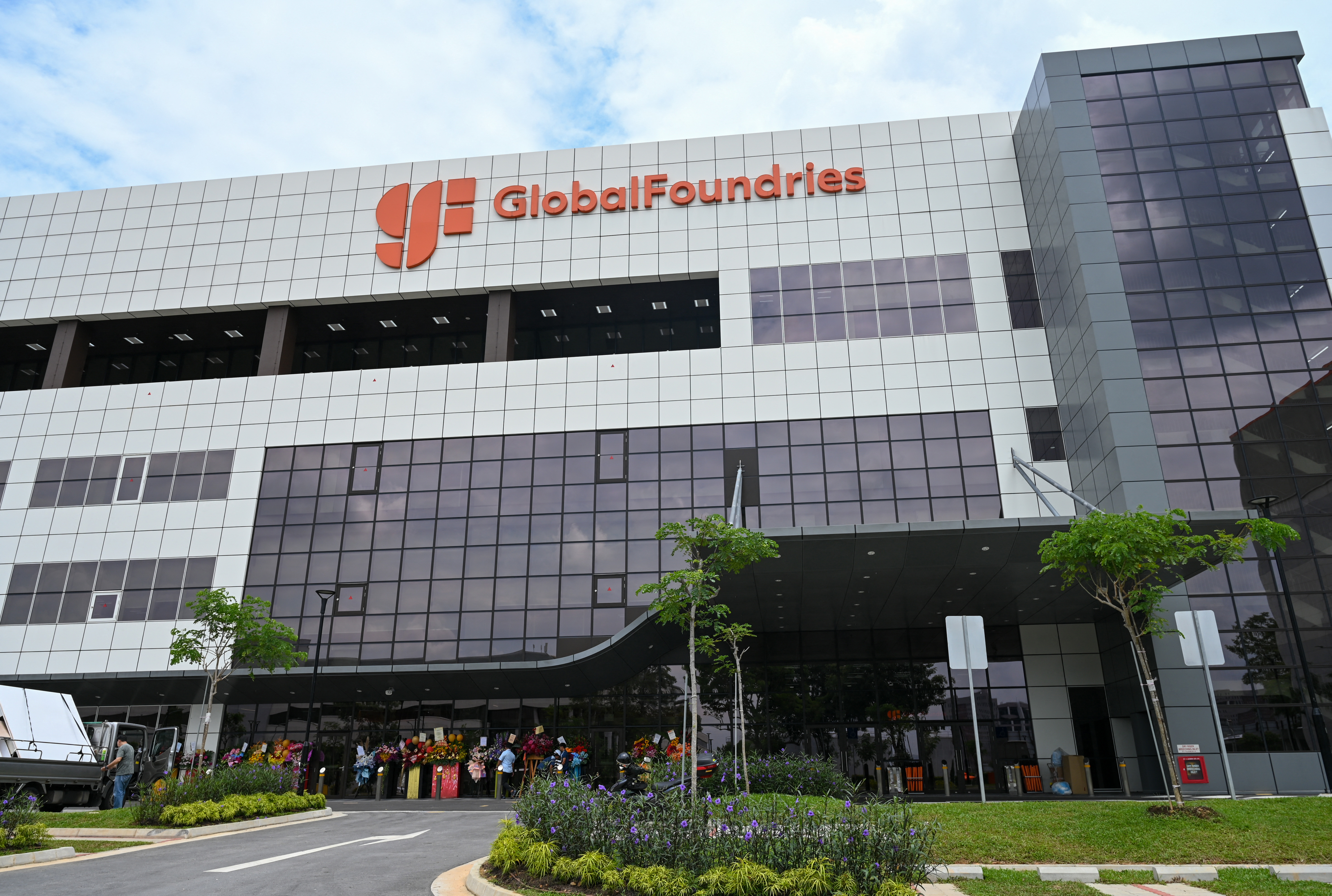 A view on the Singapore facility of chipmaker GlobalFoundries during the Singapore Fab expansion grand opening in Singapore, on Sept. 12, 2023. (Roslan Rahman/AFP via Getty Images)
Today, Singapore is a major financial and technology centre, demonstrating how effective government can overcome resource scarcity.
Despite its successes, the political system restricts opposition and press freedoms—policies Australia obviously need not replicate.
Israel: Innovation Under Pressure
With roughly 10 million people and a small domestic market, Israel has faced repeated conflicts and substantial security demands, which can drain resources from other civilian priorities.
According to the Stockholm International Peace Research Institute, Israeli military expenditure reached approximately 7.8 percent of GDP in 2025, compared with over 2 percent in Australia.
Yet Israel has developed one of the world’s most research-intensive economies. Its research and development spend reached approximately 6.96 percent of GDP in 2023, compared with Australia’s 1.69 percent in 2023–24.
Israel’s technology ecosystem successfully connects universities, entrepreneurs, venture capital, and multinational companies—something few economies have achieved.
Microsoft, Google, Apple, Intel, Nvidia, and Amazon maintain research or development operations there, reflecting the country’s engineering expertise.
Israel has also produced globally recognised businesses like cybersecurity pioneer Check Point, driver-assistance technology company Mobileye, and navigation platform Waze.
Intel acquired Mobileye for approximately US$15.3 billion, while Google purchased Waze for around US$1.1 billion.
According to the Israel Innovation Authority, high-tech accounts for approximately 17 percent of GDP and more than half of exports.
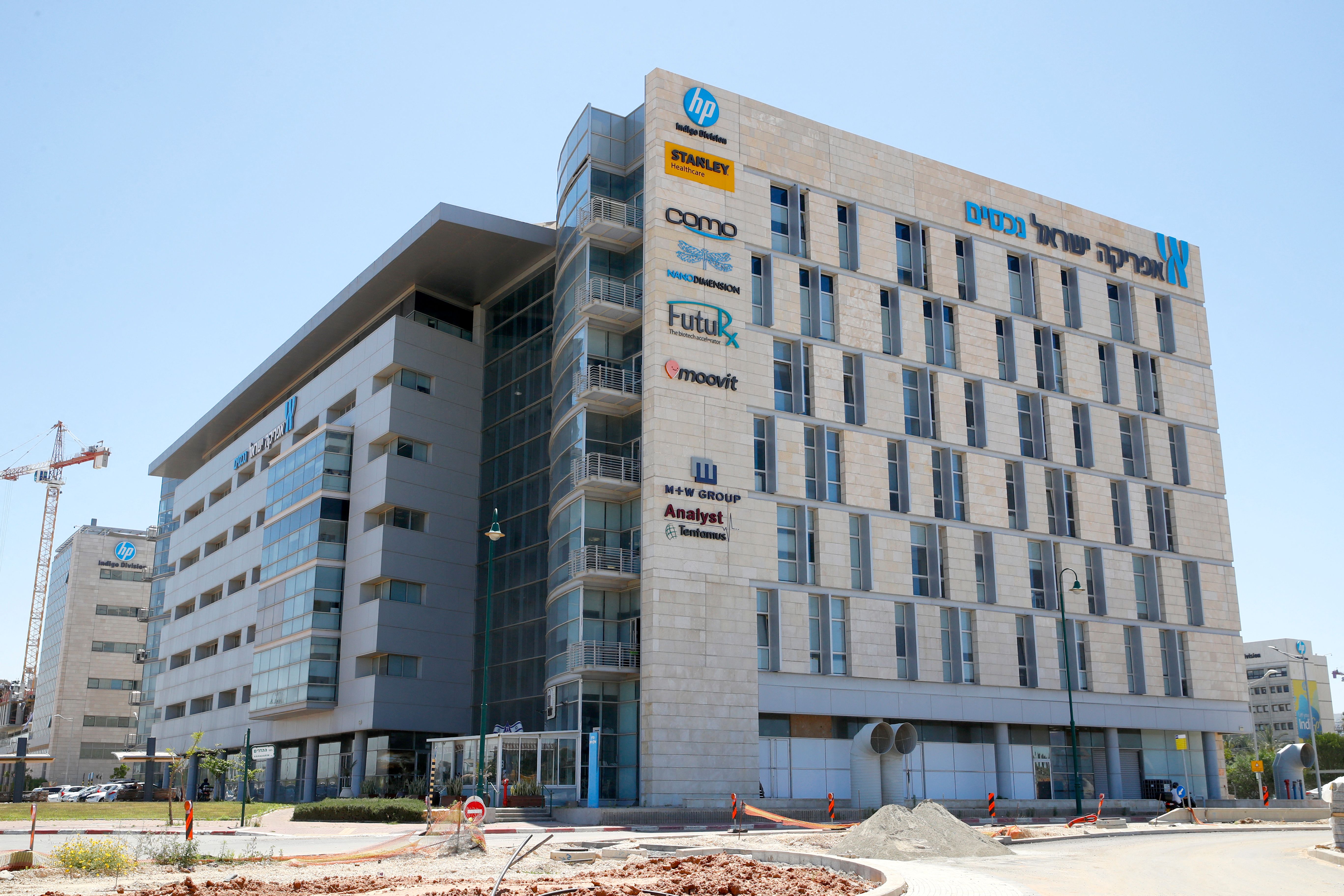 A view of the building housing the headquarters of Israeli transportation app developer Moovit, in the central city of Ness Ziona, on May 4, 2020. (Jack Guez/AFP via Getty Images)
CyberArk, an Israeli-founded cybersecurity company whose co-founder served in military intelligence, became a major international provider of identity security technology.
Israel’s economy-wide productivity does remain below Australia’s, however, but the above examples highlight how with the right will and policy, a country can thrive in the most difficult of circumstances.
Australia’s Productivity Problem
Meanwhile, Australia has benefited enormously from mining, agriculture and commodity exports. These are strengths. Mining itself uses sophisticated technology and generates substantial national income.
But economic growth is not necessarily productivity growth. An economy can expand through population growth without producing substantially more per hour worked.
The Productivity Commission estimates Australia’s labour productivity grew by just 0.3 percent annually between 2015 and 2025, compared with Singapore’s 2.5 percent and Israel’s estimated 1.7 percent.
Weak productivity growth constrains real wages, public services and living standards.
Meanwhile, on the technology front Australia does produce valuable research but struggles to monetise it.
The Commonwealth research body, the CSIRO’s Wi-Fi technology illustrates this point: while Australia earns substantial licensing revenue, the subsequent manufacturing and commercial expansion has occurred overseas.
Australia also hosts major tech firms, but much of their activity centres on sales and services rather than research and innovation. For policymakers, the challenge is attracting more high-value research, product development, and intellectual property creation, ensuring Australia captures a greater share of the economic benefits.
 People move past a Microsoft store in the Pitt Street shopping district in Sydney, Australia, on Oct. 19, 2021. (Lisa Maree Williams/Getty Images)
Turning Wealth Into Future Prosperity
Australia should not copy Singapore and Israel entirely, but their commitment to developing productive capabilities is instructive.
Australia does need to do more to encourage business investment, strengthen university-industry connections, improving technical skills, and remove unnecessary barriers to innovation.
It also means fostering a culture that rewards aspiration, enterprise, and risk-taking.
Our greatest economic risk may not be a shortage of resources, but complacency born from having so many.
Views expressed in this article are opinions of the author and do not necessarily reflect the views of The Epoch Times.
Views expressed in this article are the opinions of the author and do not necessarily reflect the views of The Epoch Times.