
Saskatchewan has introduced legislation aiming to address human trafficking in the hospitality sector, while expanding police powers and protections for victims.
The Saskatchewan Party government introduced Bill 65, also known as The Protection From Human Trafficking Amendment Act, 2026, on Nov. 2. The bill received first reading in the legislature and must pass further readings before becoming law.
The government said in a release that human trafficking is often concealed and involves perpetrators who move between locations, with hotels, motels and short-term vacation rentals sometimes used to facilitate the crime.
Under the proposed amendments, hotel operators, online accommodation platforms and driver-for-hire services would have to report suspected trafficking to police. Hotels would also be required to maintain more detailed customer registers.
Police could demand access to those records when they have reasonable grounds to believe the information could help locate a trafficking victim. Officers would also have to complete written reports and provide annual reporting on requests for access.
The government had previously pledged to introduce new measures aimed at human trafficking in its recent throne speech.
The bill would also update provisions relating to victims who have been forced into debt by traffickers.
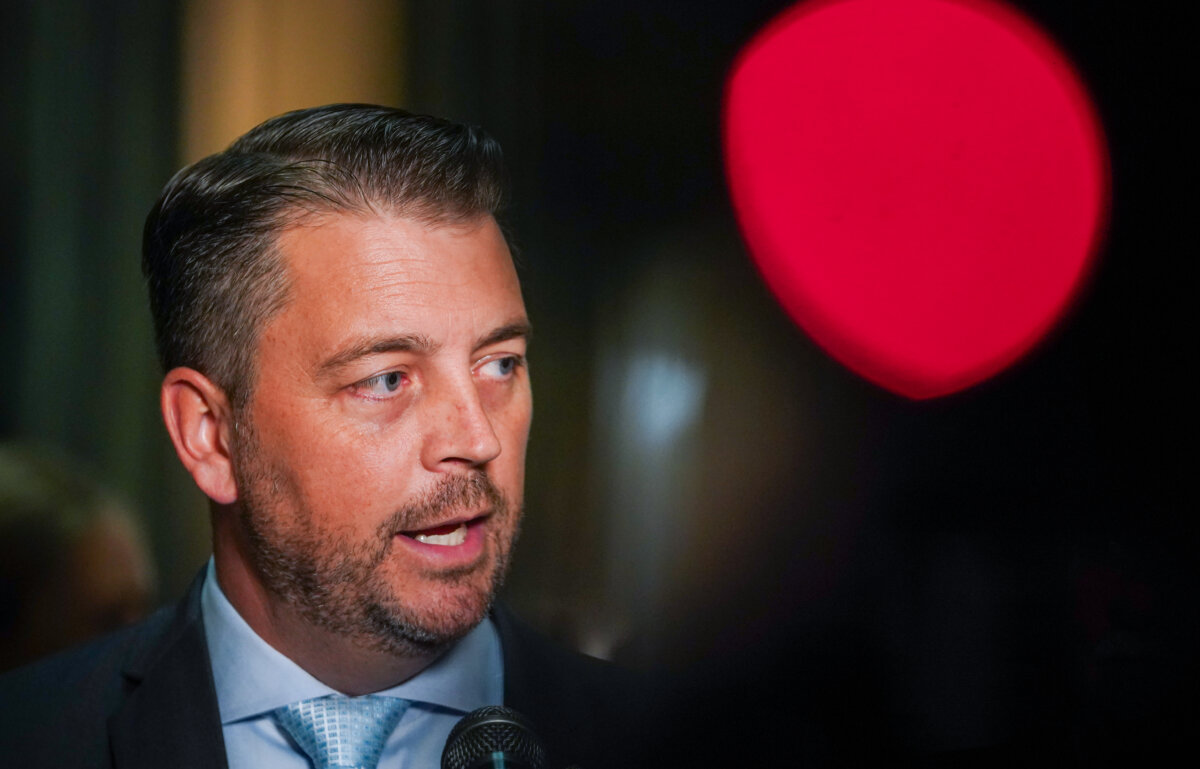
“These amendments build on our government’s commitment to combat human trafficking and hold offenders accountable,” Tim McLeod, Saskatchewan’s justice minister and attorney general, said in the release.
McLeod told reporters that his ministry received “overwhelming support” from stakeholders during consultations on the proposed changes.
Hospitality Saskatchewan President and CEO Jim Bence said accommodation providers are often well-positioned to recognize signs of human trafficking. Stronger reporting requirements would help the industry work with police and community partners to identify potential victims and suspected trafficking activity, he said in the release.
The proposed legislation follows a high-profile Saskatchewan human trafficking case in which two men were sentenced in October to 14 years and four years in prison, respectively, after being convicted following a seven-week trial.
The provincial government said trafficking does not always involve crossing international borders. Victims can be exploited in their own communities through false job offers or informal work arrangements that take advantage of their need for income, housing or support. Family members and intimate partners can also exploit victims.
Saskatchewan has committed $1.2 million since 2023 to support survivors and expand services through Hope Restored Canada in Saskatoon. The province has also launched public awareness campaigns and partnered with #NotInMyCity to provide specialized human trafficking training to law enforcement agencies.
The government says it invests more than $70 million annually in programs addressing interpersonal violence and abuse, a broader category that includes human trafficking.