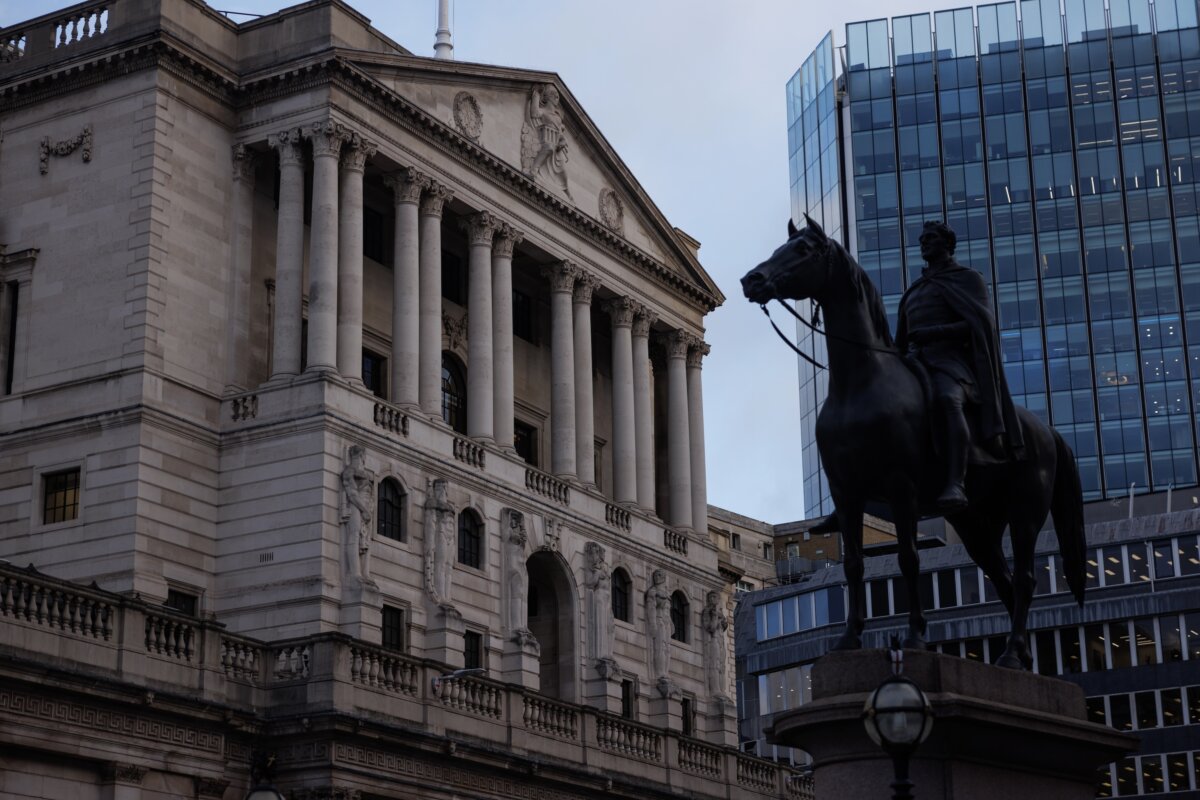

The Bank of England (BoE) on Thursday raised interest rates for the first time in more than three years, warning that at least one more increase was likely if the conflict between the United States and Iran continues.
Inflation in the UK is likely to reach around 5 percent in the middle of 2027, the BoE said, more than double the central bank’s target.
The rise and the financial forecast together are a blow to Prime Minister Andy Burnham, who has stressed the need to ease cost-of-living pressures.
Series of Hikes ‘Not Inevitable’
“Today’s increase should not be seen as the first in an inevitable long sequence of hikes. That is not inevitable. But unless the conflict in the Middle East is resolved, neither does it seem likely to be the last increase,” BoE Governor Andrew Bailey told a press conference.
The central bank’s main global counterparts have already raised interest rates since the United States and Israel began the war against Iran in February, causing the price of oil to rise sharply.
There is little evidence of faster inflation outside of sectors directly affected by higher energy costs, but the bank said the inflation pressure coming down the road from months of high energy prices requires a rate rise now.
The rise will increase borrowing costs for businesses and many homeowners with a mortgage.
The central bank’s Monetary Policy Committee (MPC) voted 8–1 to raise rates to 4 percent from 3.75 percent.
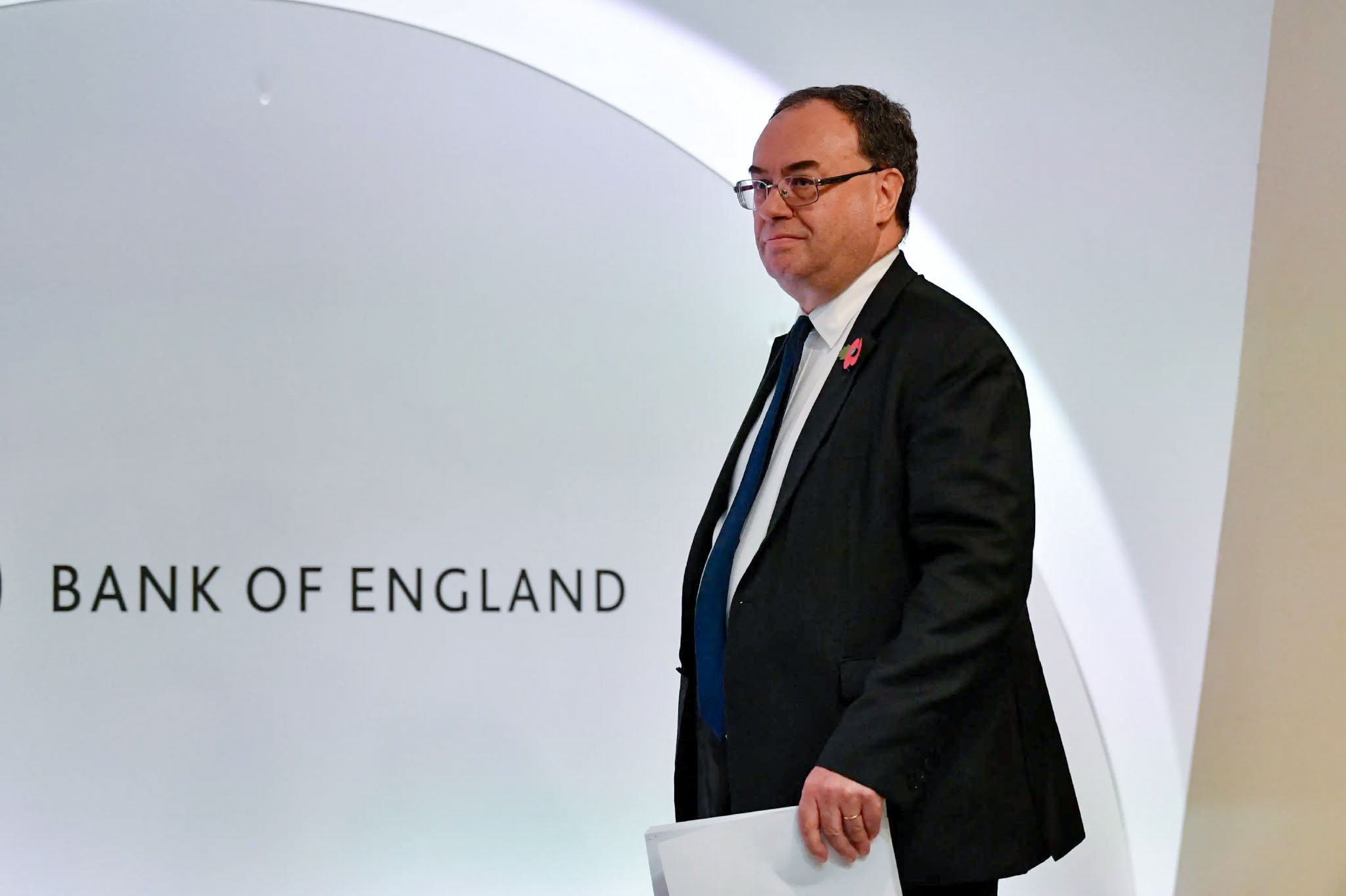 Governor of the Bank of England Andrew Bailey arrives to address the Monetary Policy Report Press Conference at The Bank of England in London on Nov. 4, 2021. (Justin Tallis/Pool via Reuters)
Sterling Strengthened
Sterling strengthened against the U.S. dollar following the announcement, while two-year British government bond yields—which are sensitive to expectations of future rate moves—rose by 5 basis points.
The U.S. Federal Reserve, the European Central Bank and other world counterparts have already raised rates in response to inflation pressures caused by the Iran War.
Bailey had argued in previous months that the BoE could hold off on a decision, as it had higher interest rates at the start of the war than other central banks. Before the shots began, investors expected a rate cut this year.
In the lead-up to Thursday’s decision, both markets and investors had been close to certain there would be a rate rise this month. But financial markets also priced in three quarter-point rate rises for 2027—more than most economists think is likely.
Deputy Governor Clare Lombardelli said a further rate hike was likely in the near term.
In its central forecast for growth and inflation, the BoE revised up its expectations for growth this year and next to 1.6 percent and 1.3 percent, figures significantly stronger than the government’s Office for Budget Responsibility predicted last week.
The BoE attributed some of the improved forecast to spending on artificial intelligence and to a small, temporary boost from Chancellor John Healey’s annual budget of government spending last week.
 British Chancellor John Healey arrives for a Cabinet meeting in Downing Street in London, on July 21, 2026. (Kirsty Wigglesworth/AP Photo)
Further Inflation Expected
Healey’s annual budget would lower inflation by 0.25 percentage points at its peak but raise it later when temporary cost-of-living assistance expires, the central bank added.
But the BoE now sees inflation peaking at an average 4.8 percent in the second quarter of next year.
In a more adverse scenario, where oil prices reach around $130 a barrel compared to around $100 currently, inflation could hit 6.2 percent in the third quarter of 2027.
Under the central scenario, inflation is not expected to return to 2 percent until the third quarter of 2028, six months later than the BoE predicted in July. The summer forecast was prepared during a lull in the U.S.–Iran conflict, which had temporarily reduced energy costs.
After taxes and inflation, British households’ income from work is set to fall in 2026 and 2027, the BoE said.
Reuters contributed to this report.