
Nova Scotia says it will be selling off its remaining U.S. alcohol, which is estimated to be worth $14 million, and will not purchase additional U.S. products.
The province took U.S. products off the shelves in March, after President Donald Trump first announced tariffs on Canadian goods.
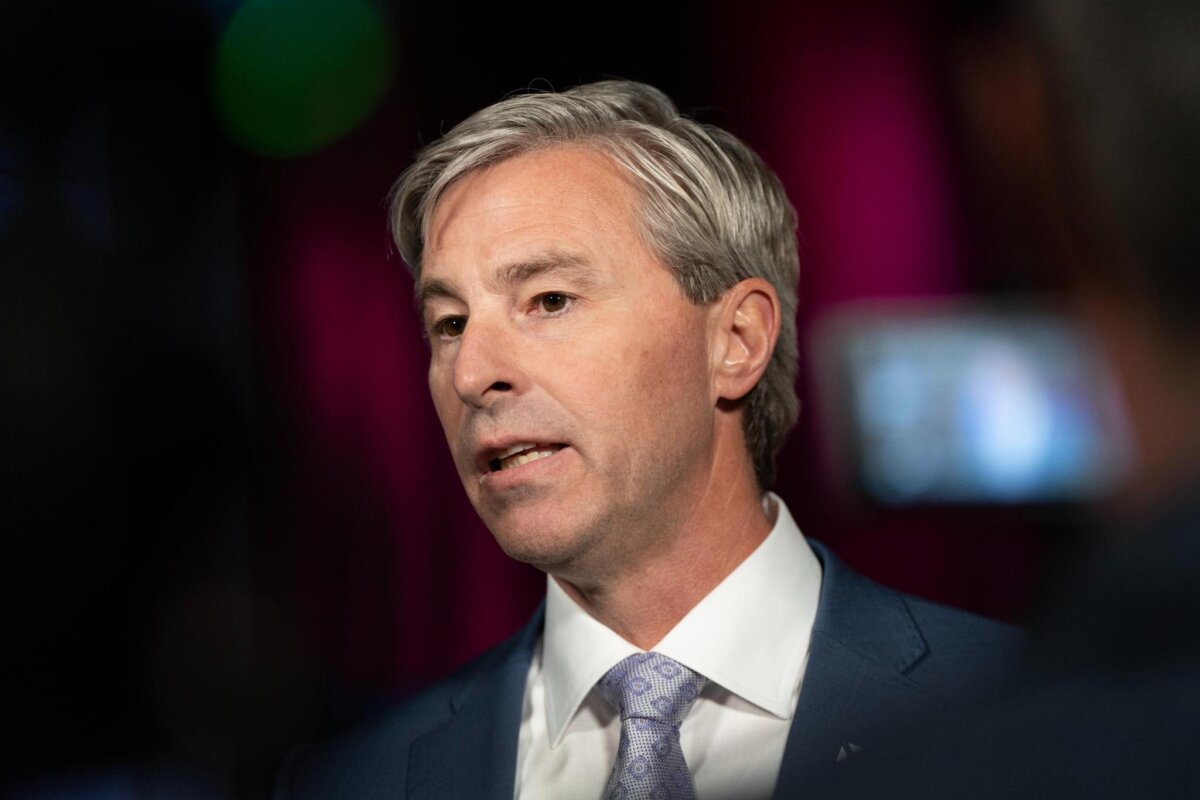
Premier Tim Houston said the province will not be purchasing any more American alcohol once the stock is sold off.
“We remain committed to a Team Canada approach to tariffs and trade,” Houston said.
He noted there were “serious negotiations” between Canada and the United States and that the alcohol issue was a “pretty thorny” issue at the negotiating table.
“It matters to a lot of Americans and American companies,” he said during a Nov. 27 news conference.
Houston told reporters the province had been sent the message by those at the negotiating table that it was helpful to keep U.S. alcohol “in the back pocket.” He said that recently, “things are happening,” and Nova Scotia was told to “make the best decision for your province.”
The premier said the province had already paid for the products and didn’t want to waste them.
“I think there’s always a risk that some of this starts to expire,” he said. “We think Nova Scotians should benefit.”
The profits will go to Feed Nova Scotia and other community food organizations, according to a Nov. 27 provincial news release.
The province said the inventory consists mainly of wine and spirits, such as whiskey. The products will be available at Nova Scotia Liquor Corp. (NSLC) locations across the province starting Dec. 1.
Some other provinces and territories have already sold their remaining U.S. alcohol inventory, including New Brunswick, B.C., and the Yukon, according to the Nova Scotia government.
Removing U.S. alcohol from store shelves was one of several measures Nova Scotia announced on March 4 in response to U.S. tariffs.
Alberta and Saskatchewan have already resumed the distribution of American-made alcohol, while other provinces including Ontario have maintained their ban on the products in response to the tariffs.







