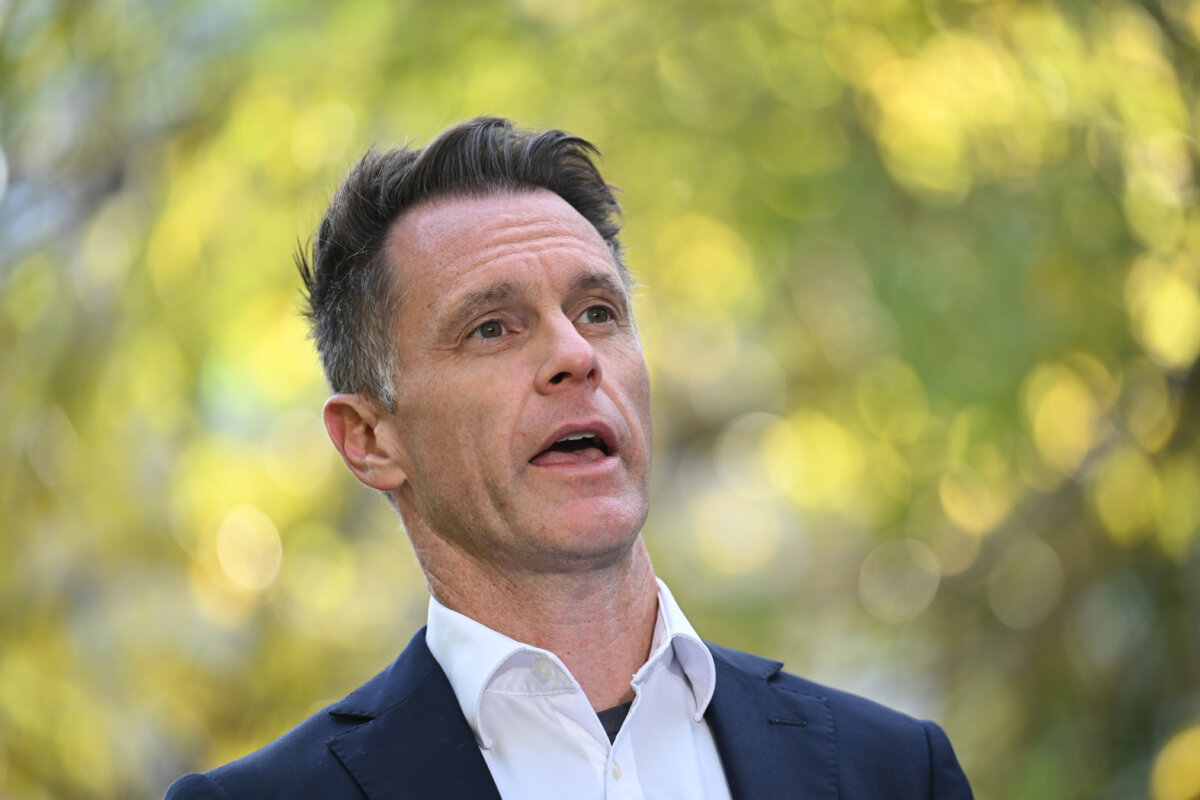

The New South Wales (NSW) Parliament has passed the Planning System Reforms Bill 2025, marking what Premier Chris Minns called a “major step forward” for housing and planning reform across the state.
The legislation overhauls the Environmental Planning and Assessment Act 1979, modernising how NSW approves homes, jobs, and infrastructure projects after decades of bureaucratic bottlenecks and delay.
The bill passed both houses with broad support.
It coincides with the Business Council of Australia’s latest report, which ranked NSW fifth among eight jurisdictions for doing business. It praised the state for planning transparency but marked it down for high business costs.
“These reforms will make the system faster, fairer, and easier to navigate for communities, councils, and builders,” Minns said.
“For too long, NSW has been held back by a planning system that was slow, complex, and out of step with the necessity to deliver more homes.”
What the Bill Does
At the heart of the reform is a new Development Coordination Authority, described by the government as a “single front door” for major project advice across state agencies. The authority is designed to eliminate duplication and speed up assessment processes.
The bill also cements the Housing Delivery Authority in law, ensuring an enduring focus on delivering new housing across the state.
Councils will now be required to decide on minor development variations within 10 days—or face automatic approval.
A new Targeted Assessment Pathway will allow streamlined processing of projects that have already undergone strategic planning and community consultation.
Meanwhile, more than 100 separate consultation plans will be replaced by a single state-wide Community Participation Plan, intended to provide consistency and reduce red tape.
Planning Minister Paul Scully said the changes would stop the system from “sweating the small stuff” and make sure the scale of assessments matches the scale of the projects.
“These reforms will ensure that complex projects get the scrutiny they deserve, but simple developments aren’t bogged down for months in unnecessary bureaucracy,” he said.
Faster Approvals and Certainty
The bill introduces a range of measures aimed at creating greater predictability for builders and communities.
For the first time, the Act’s objectives will explicitly include housing delivery, climate resilience, and proportionality, reflecting the government’s broader housing and environmental agenda.
Developers have long complained about uncertainty and inconsistent approval conditions that blow out project timelines.
By standardising assessment pathways and embedding these principles in law, the government says it aims to deliver the certainty the market needs to accelerate supply.
Industry reaction was largely positive. Urban Taskforce CEO Tom Forrest described the reforms as “a seismic shift” in how NSW treats housing supply, while the Committee for Sydney called it “the biggest planning reform in decades.”
Treasurer Daniel Mookhey defended the streamlining of regional planning panels, a move some critics argue removes a layer of independent oversight.
“There has been too much tying up approvals and construction of new homes,” he said.
Cutting Red Tape, Building Homes
Since March 2023, more than 86,700 homes have been declared state-significant under the Housing Delivery Authority.
Another 30,000 homes, including 8,400 social housing units, are planned on surplus government land—the largest public-housing investment in NSW history.
The Minns government says these reforms will help prevent such projects from getting stuck in approval limbo.
“This Bill is about clearing the path for the right development in the right places, with the right outcomes for the community,” Minns said.
According to government data, 19 projects worth $5 billion have already been accelerated through the Development Facilitation Program, supporting enough energy infrastructure to power 570,000 homes and meet evening peak demand for 1.3 million households.
Business Council of Australia CEO Bran Black said NSW could quickly climb the national competitiveness rankings if the reforms are fully implemented.
“NSW has shown that it’s ready for reform, especially around planning and housing supply, which are key to economic opportunity,” he said.
Bipartisan Support and Criticism
Opposition Leader Mark Speakman said the Coalition backed the reforms, calling them “pro-housing and pro-reform.”
“We are supportive of streamlining the system—having a single voice from government will be a game changer,” he said when the bill was first introduced.
Shadow Planning Minister Scott Farlow welcomed the focus on cutting duplication.
The Planning Institute of Australia gave cautious support, saying the new “risk-based approach” could free up resources to focus on more complex projects.
But not everyone was convinced.
Greens MP Sue Higginson accused the government of bowing to developer interests and ignoring climate risks.
“Fast-tracking houses is no solution if people are still being moved onto floodplains,” she said.
Higginson referred to the government’s own Climate Risk Report, which warned that one million homes could become uninsurable by 2050.