
Anglers are being reminded to correctly dispose of fishing equipment following the tragic death of a cassowary near Innisfail in North Queensland.
The state’s Department of Environment, Tourism, Science and Innovation said a juvenile cassowary was found on July 27 with a length of fishing line hanging from its beak.
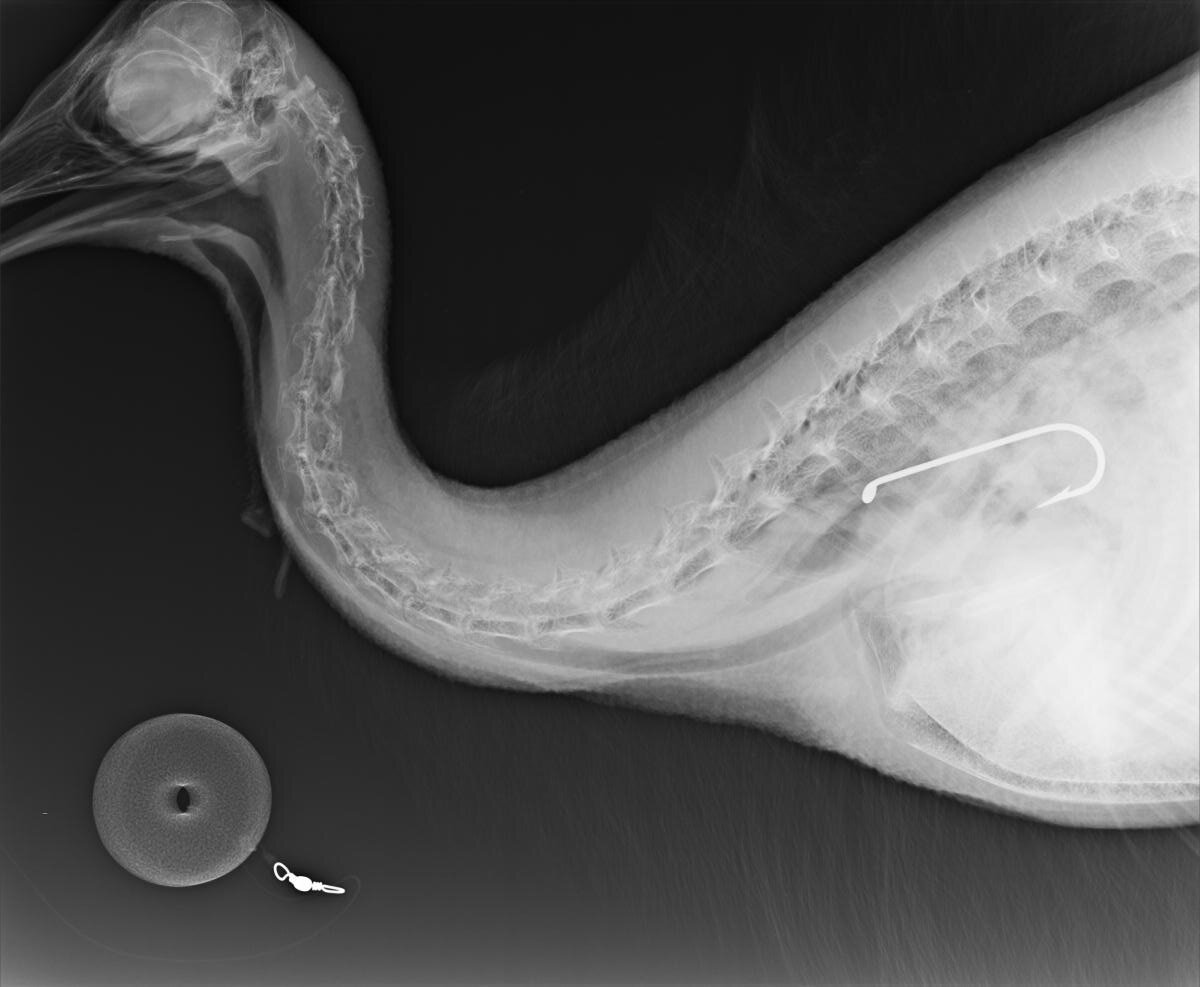
The young bird was sedated and X-rayed by veterinarians who found it had ingested a fishing hook that was lodged internally.
The bird was unable to dislodge the hook and was left with a fishing line coming through its neck and dangling from its beak to the floor. In video footage supplied by the Department, the bird can be seen walking and occasionally stepping on the line.
Heartbreaking video of a cassowary who swallowed a fishing hook in North Qld, little guy didn’t make it 🙁 pic.twitter.com/mt2IwbhNRM
— Crystal-Rose Jones (@CRJJourno) August 7, 2025
The lodged hook caused severe damage and the bird ultimately succumbed to its injuries.
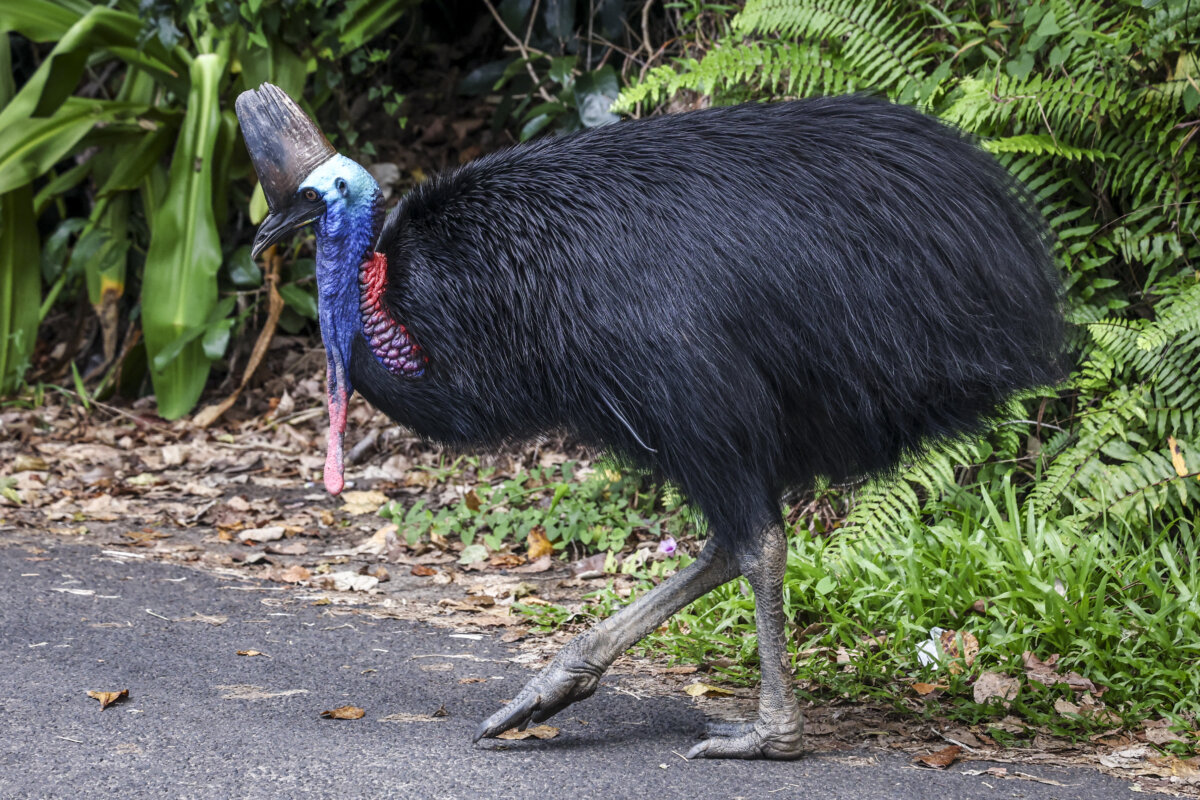
Cassowaries are the world’s third largest flightless bird after emus and ostriches. They are native to tropical forests in northern Australia and Papua New Guinea.
They are also one of the most dangerous bird species due to their powerful legs and claws, and some birds reach heights of more than six feet.
The cassowary is listed as endangered and vulnerable to extinction.
Wildlife Ranger Stephen Clough recounted the sad circumstances leading to the cassowary’s death.
“We believe the baited fishing hook was discarded as rubbish near the Johnstone River, and then picked up by the bird,” he said.
“Discarded hooks fishing line are well-documented threats to sea birds and can also harm species like cassowaries.
“People are asked to remove bait from hooks after a fishing session, and discard any unwanted fishing tackle properly into a bin.”
Keep it Clean
Those enjoying Australia’s natural beauty are reminded to do the right thing and dispose of waste thoughtfully.
Marine litter is responsible for the deaths of scores of birds and sea creatures every year in Australia.
Birds are particularly susceptible to eating plastic as it houses a bacteria that can leave it with a food-like scent.
Plastics can also lead to birds feeling a false sense of fullness due to the chemical in their stomachs, causing them to starve later because of hunger.
One study found 107 albatrosses washed ashore in Australia and New Zealand had ingested plastics, with half dying from the product.
The dark-feathered flesh-footed shearwater is especially at risk because the species consumes more plastic than any other marine creature.
One study showed as many as 79 percent of chicks had plastic inside their stomachs.