
With three days to go before polls, Prime Minister Anthony Albanese has received a bit of good news from overseas.
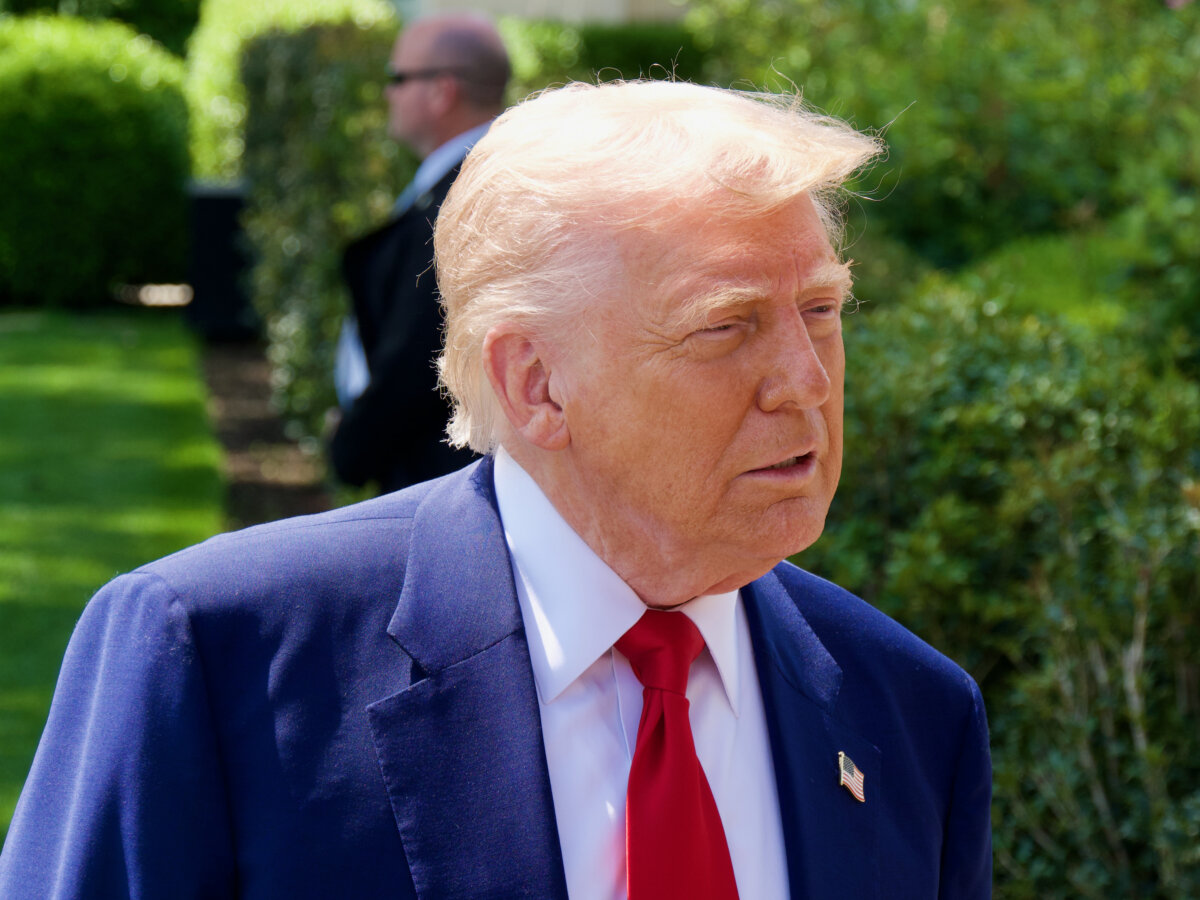
U.S. President Donald Trump confirmed he plans to speak with him about trade tariffs—an issue that’s dominated discourse about Australia-U.S. relations.
As he departed Washington, Trump was asked if he would speak with Albanese.
“They are calling and I will be talking to him, yes,” he said.
Canberra has repeatedly pressed Washington to reconsider the sweeping tariffs, which include a 10 percent duty on all imports and a 25 percent levy on products like aluminium and steel.
The Albanese government has warned the tariffs could damage Australia’s export market and hurt long-term trade ties.
However, U.S. trade officials have taken issue with Australia’s biosecurity laws, which have prevented U.S. ranchers from entering the Australian meat market for about 20 years now.
Treasury and IMF Assess the Fallout
Treasury estimates released on March 18 say the direct impact of the tariffs on GDP will be “manageable.”
The biggest hit is expected on steel and aluminium exports, though the overall economic loss is seen as minor.
“Despite the initial media attention over Australia not being exempted, the tariff would only impact 0.02 percent of our GDP by 2030,” Treasurer Jim Chalmers said.
But the IMF, in its April 22 outlook, cut Australia’s 2025 growth forecast from 2.1 to 1.6 percent. It warned the tariff surge could cost Australia $13 billion (US$8.3 billion). It also revised inflation upward, from 2 percent to 2.5 percent.
From Call to Rebuff
The attempts to seek an exemption has been on since February this year—Australian managed to exempt itself from tariffs during the last Trump administration.
This time, Albanese called and spoke with Trump, seeking tariff relief and was told an exemption would be considered. But that optimism was short-lived.
A day after the call, Trump’s senior adviser Peter Navarro publicly rejected any chance of an exemption.
“Australia is just killing our aluminum market,” Navarro told CNN. “President Trump says no, no, we’re not doing that anymore.”
On March 11, the verdict was out and tariffs were imposed across the board.
White House spokeswoman Karoline Leavitt confirmed to the ABC that Australia will not be spared from the tariffs.
“He considered it, and considered against it. There will be no exemptions,” she said.
Albanese responded initially saying the the decision was “entirely unjustified” and “against the spirit of our two nations’ enduring friendship.”
The opposition has repeatedly criticised Albanese for not doing more to engage directly with Trump.