
Analysis
Women are earning 21.7 percent less than men, making 78 cents for every dollar earned by their male counterparts, according to figures from the Workplace Gender Equality Agency’s latest survey of employers.
While making up 51 percent of the total workforce, women account for 21 percent of CEOs and 37 percent of senior managers. At the very top, 19 percent of board chairs are women, and they account for 34 percent of board members.
Yet according to the Agency, 25 percent of boards met its criteria for being “gender-balanced” with 79 percent having a formal policy on gender equity, and 55 percent have a policy that also applies to their board.
Eighty-one percent offer flexible working arrangements, but only 31 percent consulted with employees on gender equity issues.
Small Employers Have Larger Pay Gaps
Of small employers (those with less than 250 employees) only 31 percent have achieved gender pay equity, while larger businesses performed better overall. Fifty-one percent of those with 1,000 to 4,999 employees hit the target, while 60 percent of those with a workforce of over 5,000 achieved it.
Across different sectors, there was a significant difference on that measure:
| Sector | Average total remuneration gender pay gap (percent) |
| Accommodation and food | 6.4 |
| Administrative and support services | 13.0 |
| Agriculture, forestry and fishing | 16.9 |
| Arts and recreation | 12.0 |
| Construction | 28.3 |
| Education and training | 7.5 |
| Electricity, gas and waste services | 14.8 |
| Financial and insurance services | 26.2 |
| Health care and social assistance | 13.0 |
| Information media and telecommunications | 19.5 |
| Manufacturing | 12.7 |
| Mining | 12.7 |
| Other services | 16.0 |
| Professional, scientific and technical services | 22.8 |
| Public administration and safety | 15.9 |
| Rental, hiring and real estate services | 23.1 |
| Retail trade | 13.7 |
| Transport, postal and warehousing | 20.0 |
| Wholesale trade | 14.2 |
Few employers had a perfect score, but there was no difference between wages paid to the sexes at AHG Group, providers of housekeeping services, with 72 percent of its workforce female; and the there was a slight gap of 0.8 percent at luxury brand Louis Vuitton, where 69 percent are women.
The YWCA pays its predominantly female (82 percent workforce) 3.5 percent more than their male counterparts. The same score was recorded by Village Cinemas, which has a 55 percent female workforce.
Some Retail Outlets Scored Well
One of the better-performing employers was 7-11, which has a gender pay gap of just 0.3 percent, and has a policy on gender equity. Just behind them are the Reject Shop, with a 1.1 percent gap between men and women, with the retail chain hiring 71 percent women.
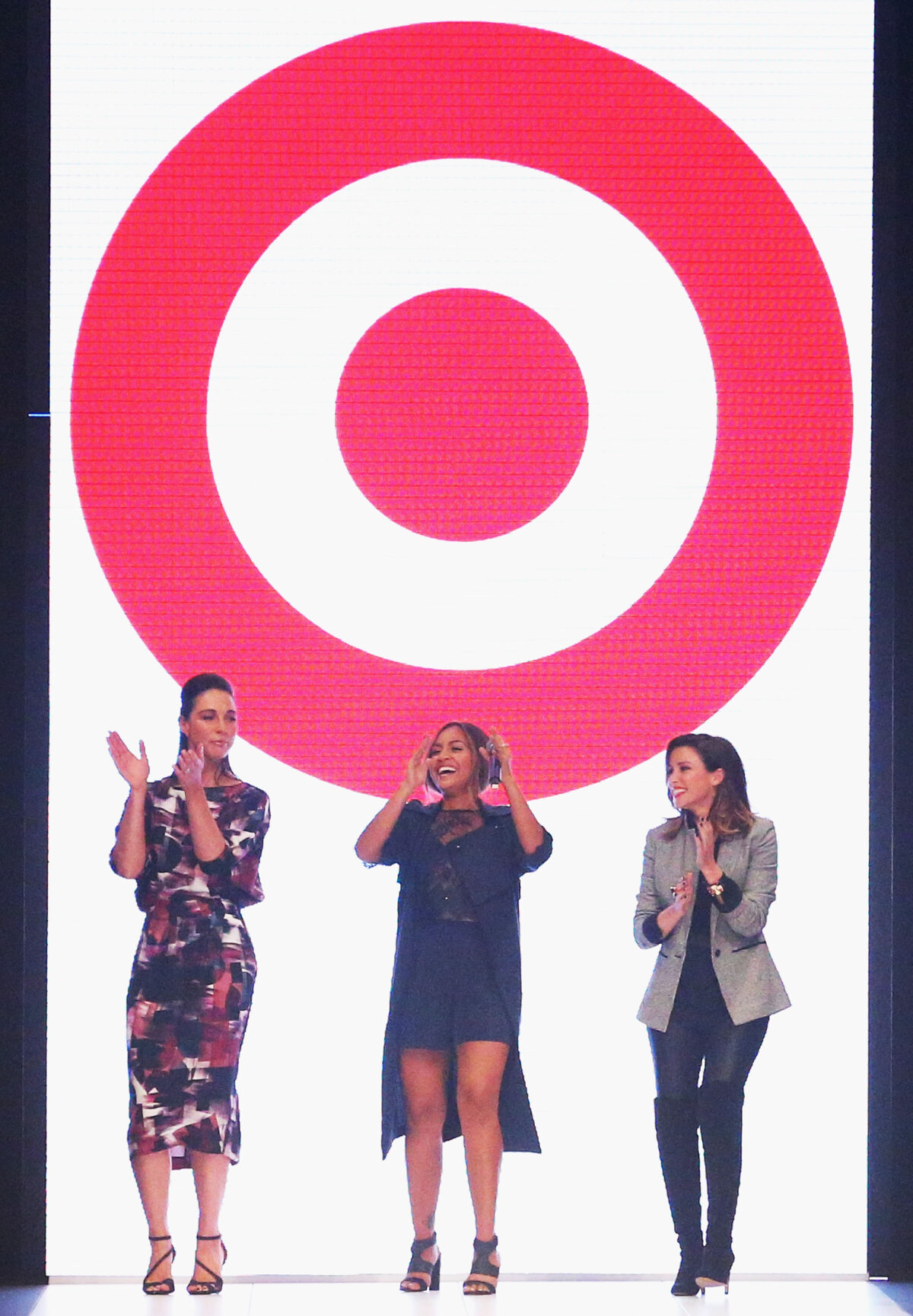
Hospitality giant Accor, which owns hotel chains including Novotel and Mercure, recorded just a 3.7 gap despite employing 60 percent of women. Also performing well on this measure was Target, which pays its 58 per cent female workforce 3.5 percent less than the men.
On the tier just beneath, supermarket giants had larger gaps: Woolworths at 5.7 percent, Aldi at 5.3 percent, Coles at 5.6 percent, and Metcash (IGA, Foodland etc.) at 3.9 percent.
In terms of fast-food, Dominos had a 13.6 percent gap, while Nandos achieved pay equity, as has McDonalds head office (though not necessarily its individual franchisees) and KFC coming close at 1.1 percent.
The Good Guys was very good to its guys, paying them 9.4 percent more than it pays its 40 percent female workers, whereas Cash Converters’ stores divide the cash evenly, with just a 0.1 percent difference.
Heavy Industry Had Large Pay Differentials
As might be expected, businesses in industries where heavy work is required were among some of those with the largest pay equity gaps.
ABC Paper and Paper Mills recorded 19.2 percent, while smelter operator Alcoa has an 11.2 percent gap and a workforce that is 81 percent male.
However, a similar gap (11.1 percent) also applies to publishers Allen and Unwin, despite their workforce being 86 percent women. Infrastructure consulting firm Aecom has a gap of 25.1 percent and just 36 percent of its workforce women.
Telstra has a 20.2 percent differential in what it pays its 34 percent female workforce, while Optus does slightly better with a 14.7 percent gap, but has only 32 percent women amongst its employees.

Eclipsing those figures was Visy Pulp and Paper, owned by billionaire Richard Pratt, which has a 27.4 percent difference between the sexes, with just 14 percent of the workforce being female; Toll Holdings at 33.7 percent another predominantly male (73 percent) workforce; and Virgin Australia, which pays its 40 percent female staff 41.7 percent less than males.
Qantas fares only marginally better, at 37 percent.
What About Sports?
Also amongst the worst performers is the Adelaide Football Club, with a pay gap of 31.2 percent affecting its 41 percent female workforce, whereas Titans Rugby League, with a male-dominated (75 percent) workforce pays its female staff 14 percent more.
The NSW/ACT AFL Commission, however, achieved gender pay equity, as did AFL NT and AFL Queensland. And Cricket Australia pays its 44 percent of female staff 0.4 percent more than the men.
What About Indigenous Groups?
Indigenous-owned businesses often had fewer male employees, but still recorded significant pay gaps.
For instance the Aboriginal and Torres Strait Islander Community Health Service in Brisbane recorded an 8.7 per cent pay gap, with men making up just 24 percent of the workforce, while the NSW Aboriginal Legal Service logged a 9.8 percent differential with a male workforce of 28 percent.
The Central Australian Aboriginal Congress performs better than most employers, though, with just a 1.6 percent gap affecting its 72 percent female staff, and Nunkunwarrin Yunti of South Australia pays its 73 percent of women 0.8 percent more than the men.
Social Media Companies?
The staff at Tiktok’s Australian office are 56 percent female, but they earn 19.9 percent less than their male equivalents.
Facebook does better, paying its 53 percent female staff 2.6 percent more than the men. Apple achieves 5.5 percent for its 44 percent female staff, while only a third of Microsoft staff are female, and they earn 9.7 percent less than their male equivalents.
Uber has a 6 percent gap, and the woman working to get you a tax refund at H&R Block is earning 8.5 percent less than the man the next desk over.
The data in this report is derived from the Workplace Gender Equality Agency under licence. Businesses profiled were selected based on their public profile, or for comparison purposes. They do not represent the full scope of the data, which may be viewed at https://www.wgea.gov.au/data-statistics/data-explorer