
UK inflation dropped last month, but food prices were at their highest since 1977, according to official figures.
On Wednesday the Office for National Statistics (ONS) said the rate of Consumer Prices Index (CPI) inflation fell to 10.5 percent in December from 10.7 percent.
The ONS said that decreased fuel costs were largely behind the slowdown, with the average petrol price down by 8.3 pence per litre month-on-month in December.
Average petrol and diesel prices are now back to the levels seen in February last year, standing at 155.3 and 179.1 pence per litre respectively in December.
CPI inflation was still in double digits and food and drink and was 16.8 percent in December, up from 16.4 percent in November, marking the highest level since September 1977.
Rising Costs
Restaurants and hotels have had to pass on rising costs to customers, with inflation across the hospitality sector at 11.3 percent in December, the highest for more than 31 years.
Grant Fitzner, chief economist at the ONS, said: “Inflation eased slightly in December, although still at a very high level, with overall prices rising strongly during the last year as a whole.
“Prices at the pump fell notably in December, with the cost of clothing also dropping back slightly.”
“Food costs continue to spike, with prices also rising in shops, cafes and restaurants,” he added.
CPI has eased since a 41-year high of 11.1 percent in October last year, but soaring energy bills are set to continue.

Chancellor Jeremy Hunt said: “High inflation is a nightmare for family budgets, destroys business investment, and leads to strike action, so however tough, we need to stick to our plan to bring it down.
“While any fall in inflation is welcome, we have a plan to go further and halve inflation this year, reduce debt and grow the economy—but it is vital that we take the difficult decisions needed and see the plan through.”
On Wednesday in a video on Twitter, Hunt said that there are “lots of reasons” for inflation increasing and that food and energy prices have risen because of COVID-19, Russian President Vladimir Putin, and the war in Ukraine.
He said that the government aims to halve the inflation rate by the end of the year.
‘Decided It Was Good Time to Print a Lot of Money’
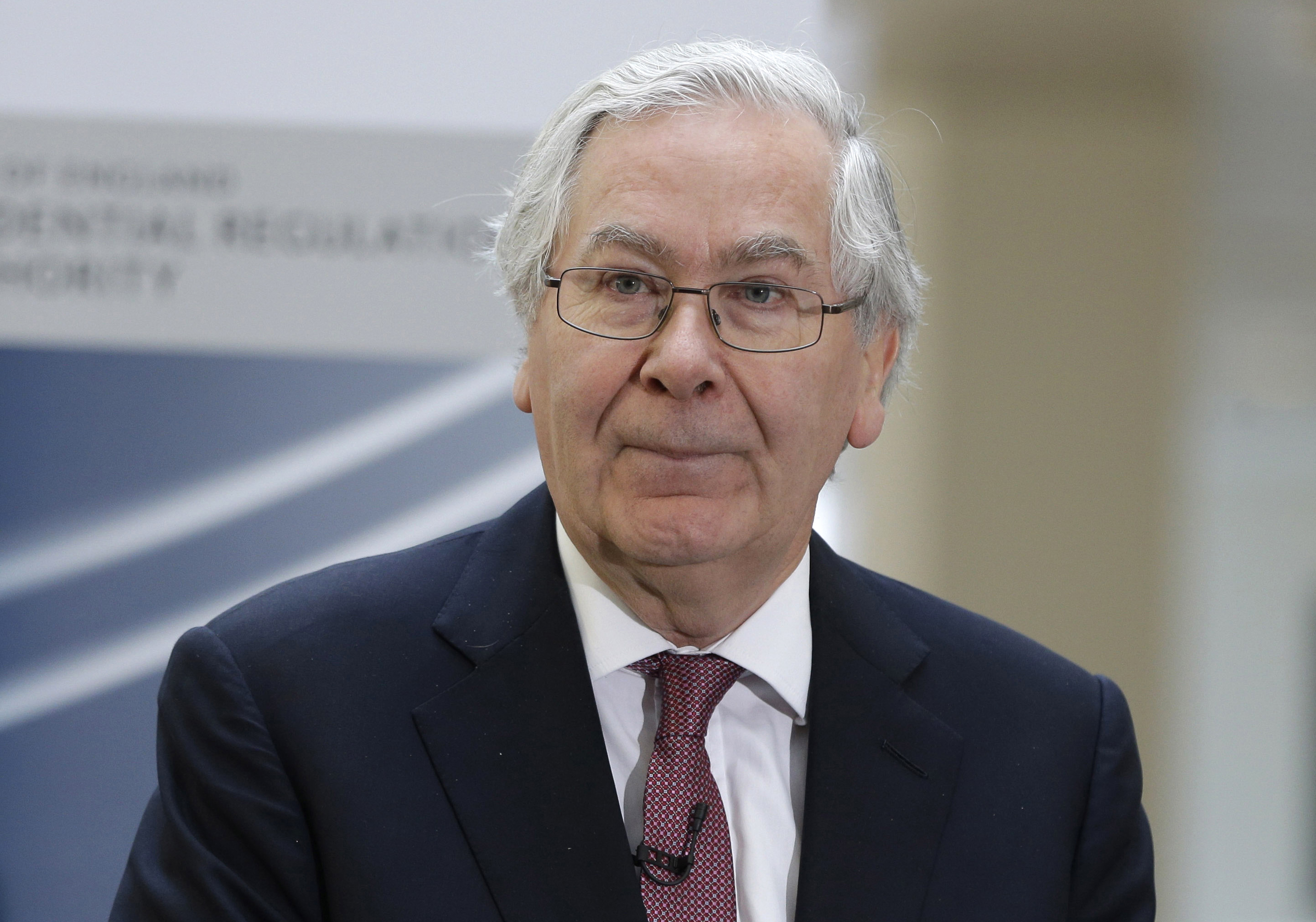
Last year Mervyn King, the former governor of the Bank of England, told the BBC that he believed that “all central banks in the West, interestingly, made the same mistake.”
“And during COVID, when the economy was actually contracting because of lockdown, central banks decided it was a good time to print a lot of money. That was a mistake. That led to inflation.”
“We had too much money chasing too few goods. And the result was inflation. That was predictable. It was predicted, and it happened.
“So that’s one problem we have to try to get out of. But the public finances both in the United States and the United Kingdom were not put on a sustainable track. And markets responded to that,” he added.
Business groups also raised concerns over the impact of high inflation on firms across the UK.
Commenting on the recent figures, British Chambers of Commerce Head of Research, David Bharier, said he believed that the peak has passed.
“A second consecutive easing in the rate of inflation to 10.5 percent, while minimal, suggests the peak has now passed. A further fall in the growth of fuel costs was partially offset by continued increased inflation within the hospitality sector. But this simply means that prices will stabilise at a much higher level than one year ago.
“Inflation is still by far and away the top issue affecting businesses. Our latest research shows that inflation is a concern for 80 percent of firms, close to the highest on record.
“Small firms continue to face a tidal wave of higher costs from energy, raw materials, interest rates, and higher taxation. Businesses have told us of 600 percent increases in gas and electricity costs. This makes investing for growth impossible,” he added.
“The scaling back of government support on energy costs means that firms will look to the Spring Budget for concrete action to create a much more stable environment to invest, focusing on infrastructure, skills, trade, and green tech,” said Bharier.
PA Media contributed to this report.