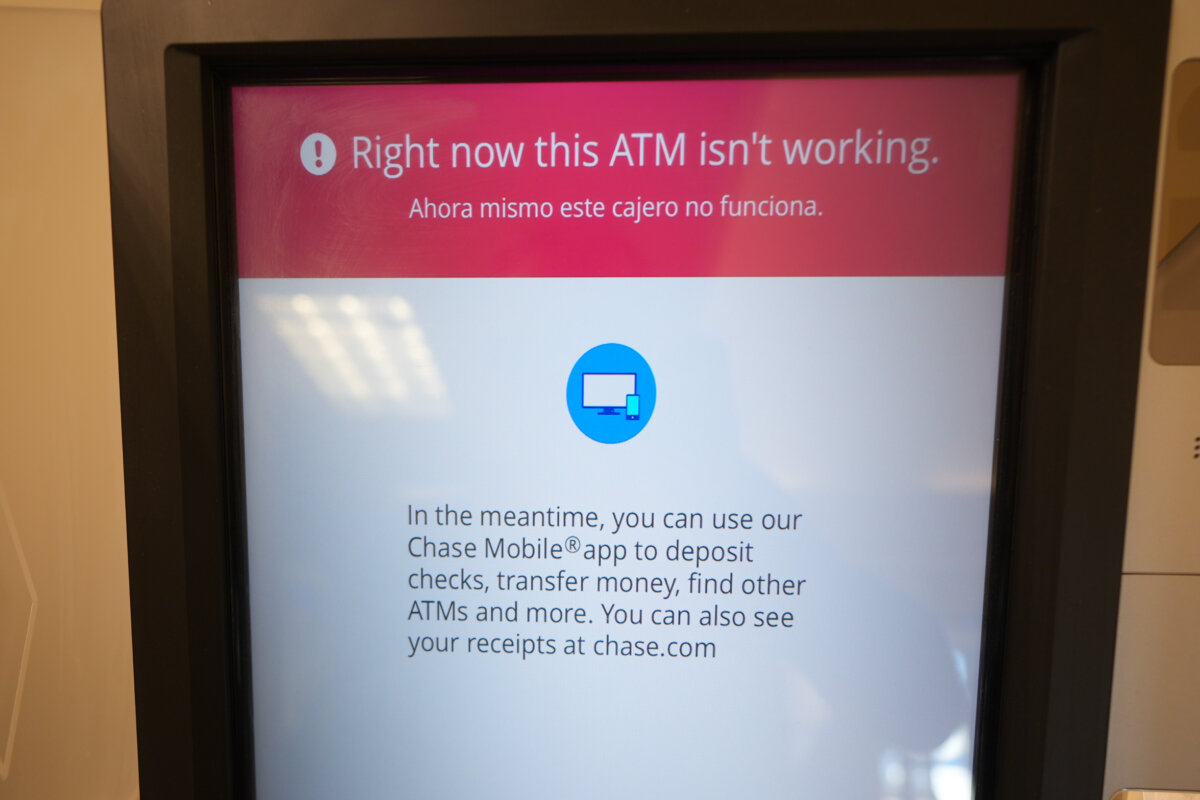

JPMorgan Chase said Thursday that third parties who provide services to the banking institution were the target of a cyberattack, adding that it wasn’t linked to an outage earlier this week.
“We have learned that third parties who provide services to the firm were the target of a cyber attack,” the company said in a statement through its Chase bank X account.
Based on a current investigation, it added, “we believe the attackers accessed certain marketing data held by those vendors, which may include some customer names and email addresses.”
“There is no disruption to our services,” the company said. “Where appropriate, we will contact affected customers directly and offer support, including complimentary credit monitoring.
JPMorgan Chase, which is the largest U.S. lender, added that the attack had no connection to an outage and service disruption that occurred earlier this week, during which the bank experienced problems processing transactions due to a software bug. The bug also affected other banks and caused some disruptions.
The incidents at JPMorgan comes on the heels of several other problems including a nationwide Federal Aviation Administration ground stop that disrupted travel last week and Microsoft’s global email outage. There were also outages reported in recent days at other major banks, Apple, the PlayStation Network, and more.
At the same time, Google and the FBI recently issued separate warnings on attacks carried out by artificial intelligence (AI) with the FBI writing in a report last week that criminals have been observed using an open-source tool called ARTEX to launch attacks on companies.
Google’s warning was more broad, stating in a post and report that the “era of autonomous attacks” launched by AI is now here. It said that AI doesn’t need to take a break, unlike human actors, and can continually target systems and networks.
“For the most part, attackers aren’t using new groundbreaking methods to break into systems—they are still going after known, unfixed issues, just with much greater speed and scale,” John Hultquist, the chief analyst with Google Threat Intelligence Group, said in a statement this week. “Instead of relying on manual effort to keep up, we will have to embrace agentic defense. Or we risk falling behind.”
In the meantime, U.S. Director of National Intelligence Jay Clayton said in a congressional hearing on Wednesday that outages were not caused by cyberattacks, addressing fears from Americans that the country is under attack.
Clayton described the incidents to the House Homeland Security Committee as “separate service outages associated with maintenance and technical changes. They are not a coordinated or state-sponsored attack.”
Meanwhile, on Thursday, European Commission spokesperson Thomas Regnier confirmed the European Union’s executive arm, the European Commission, was targeted in an AI-related cyberattack.
“I can confirm that the Commission has recently taken necessary steps in response to a detected cybercampaign,” European Commission spokesperson he said in a media briefing, adding it was an “AI-generated campaign.”
“As a protective and preventive measure, we temporarily took down several applications and most of them have since been restored,” he said. “The investigation is still ongoing. We are taking any necessary steps, based on the findings as they come.”
Reuters contributed to this report.