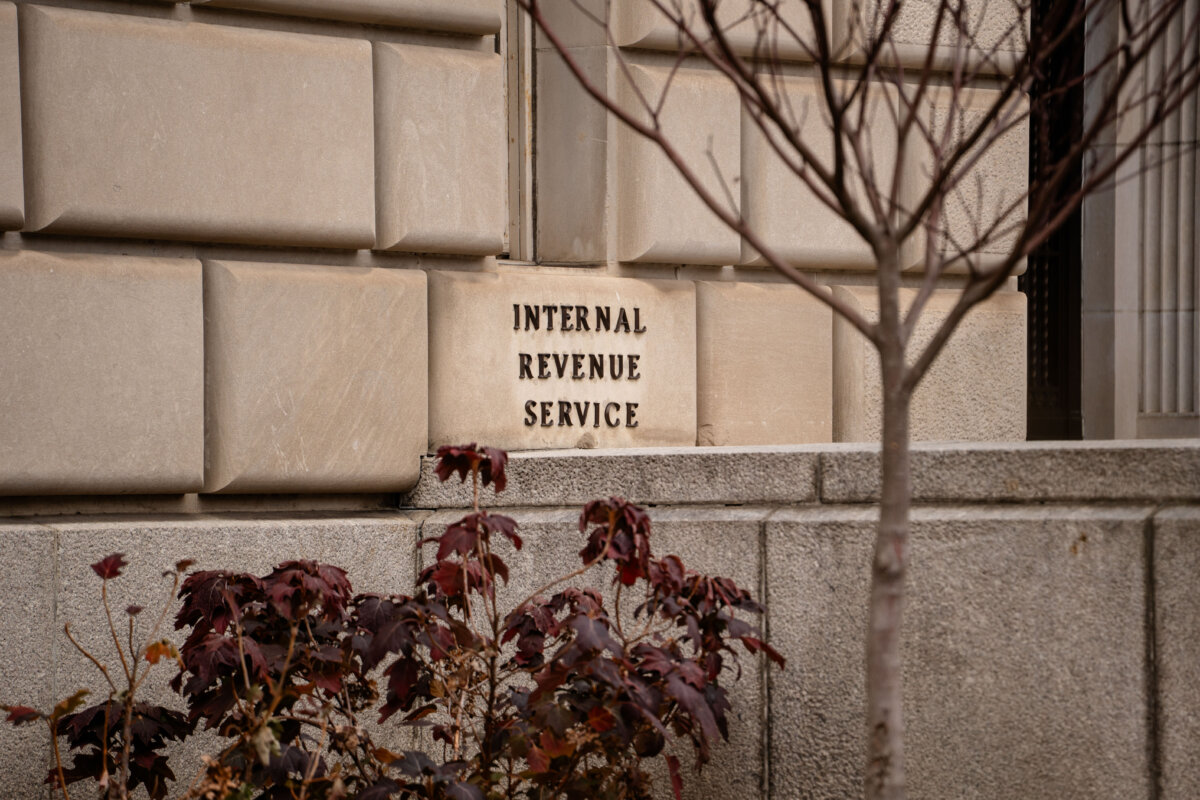

The Department of the Treasury and the Internal Revenue Service (IRS) have taken action to ensure that more American employees are signed up for retirement plans, issuing final regulations on the automatic enrollment of employees into some 401(k) and 403(b) plans.
For plan years beginning after Dec. 31, 2027, eligible workers automatically enrolled in covered 401(k) and 403(b) plans will generally start at a default contribution rate of at least 3 percent, increasing by at least 1 percentage point annually until reaching at least 10 percent, with maximum rate capped at 15 percent, according to the new rules. Employees can choose different contribution rates or opt out.
According to the Nov. 17 joint announcement, the regulations implement a key provision of the SECURE 2.0 Act, which was enacted in 2022 and helps toward simplifying workplace retirement plan rules and increasing employee savings.
Before the Act, automatic enrollment was voluntary for companies.
SECURE 2.0 required covered employers to automatically enroll employees into their newly established 401(k) and 403(b) retirement plans beginning in 2025. The IRS and Treasury only finalized the rules now because Congress wrote the 2025 deadline into the law, while the federal rulemaking process—combined with complex edge cases, public feedback, and shifting agency priorities—takes years to complete.
The final regulations give employers flexibility in the timing and amount of automatic contribution increases. For instance, an employer can choose when to raise a worker’s automatic savings rate each year, and set the exact percentage bump, provided it is within the limits set by the government, the statement said.
Companies can reduce the number of notices sent to qualifying employees by combining certain communications, and reduce notices sent to nonparticipating employees, if they’re getting annual reminders, and any requested plan documents.
The automatic enrollment requirement does not apply to 401(k) or 403(b) plans set up before Dec. 29, 2022. It is also inapplicable to SIMPLE 401(k) plans, governmental plans, or church plans.
New businesses in existence for less than three years and small businesses that normally employ 10 or fewer workers are also exempt from the requirement.
Finally, the new regulations detail how automatic enrollment requirements are processed and managed in cases of plan mergers.
The new regulations are expected to affect roughly 1.5 million taxpayers per year, and the underlying SECURE 2.0 provision will raise retirement savings by an average of $4.2 billion annually over 2023–2032, according to the joint agency statement.
“A financially secure retirement is a cornerstone of the American Dream, and every worker deserves the opportunity to achieve it,” Treasury Secretary Scott Bessent said in the statement.
“Today’s rules help more American families and workers build retirement savings while keeping them in control of their contributions and give employers the clarity and flexibility to invest in their employees’ futures,” Bessent said.
Kelsey Mayo, chief of Retirement Policy and Regulatory Affairs at the American Retirement Association, welcomed the updates, according to a Nov. 17 post from the American Society of Pension Professionals and Actuaries, which is part of the Association.
The plans can now raise default contribution rates earlier and by over one percentage point, allowing businesses to align such increases with pay hikes, Mayo said.
The updates for automatic enrollment in 401(k) and 403(b) retirement plans come as the IRS announced higher contribution limits for these plans for 2027.
The annual contribution limit for employees who participate in the plans is set at $25,500 for 2027, up from $24,500 this year, the IRS said in a Nov. 12 statement.
The catch-up contribution limit, typically applicable to employees aged 50 and older, has risen from $8,000 to $8,500. Such contributions allow these older workers to put extra money into their retirement accounts, exceeding the standard limits.
“Along with the Working Families Tax Cuts, this increase in the pension limitations will help American families keep more of their hard-earned income,” IRS Chief Executive Officer Frank Bisignano said in the statement.