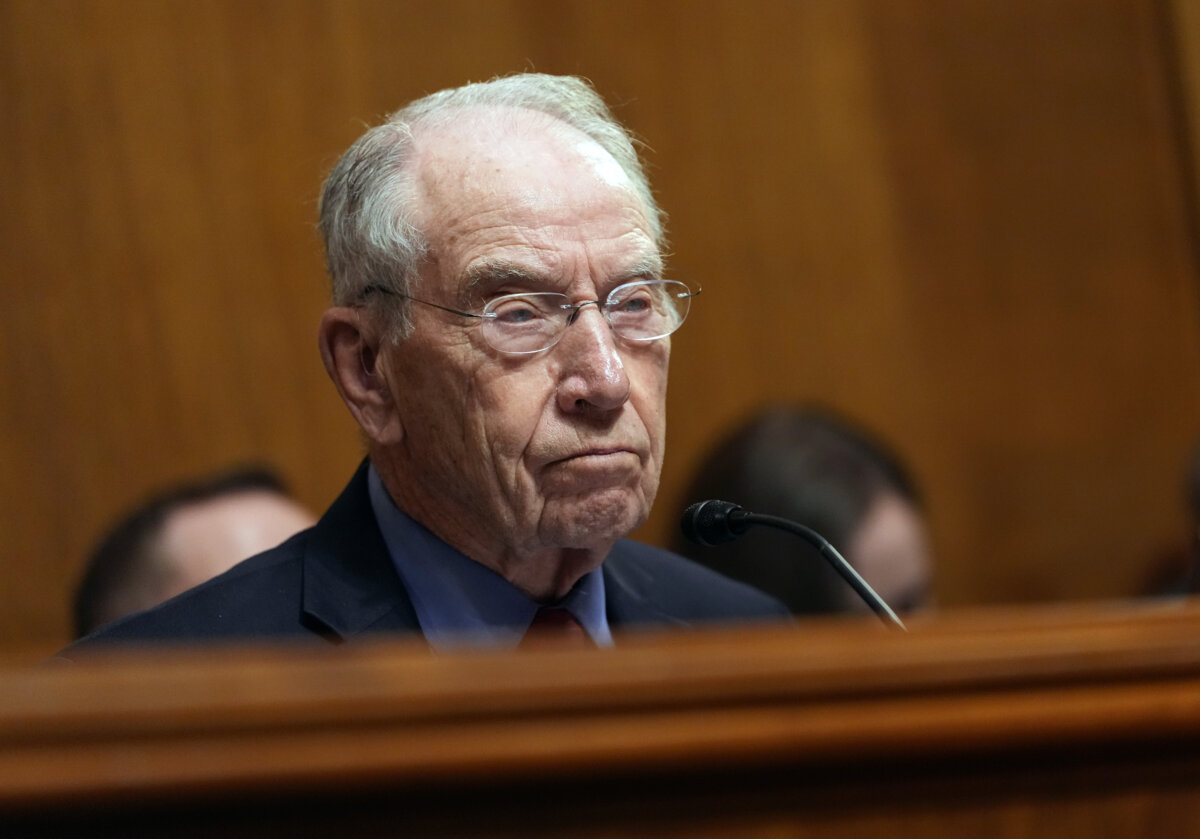
The Senate Judiciary Committee made a final push for action on prescription drug price reform in the waning days of the 119th Congress.
The committee, led by Sen. Charles Grassley (R-Iowa) and Ranking Member Dick Durbin (D-Ill.), recommended passage of six prescription drug price reform bills with near-unanimous support in April 2025. Only one of them passed the full Senate. None were passed in the House.
Grassley and Durbin on Tuesday voiced concern over a lack of progress on the proposed reforms, given the high cost of prescription drugs.
“Ask some people who are on prescription drugs [about] the cost of their drugs and whether or not it creates a hardship on their family budget,” Durbin said. “Congress must pass these bills sooner rather than later.”
Sen. John Kennedy (R-La.) called it unconscionable that the remaining pieces of legislation hadn’t been brought to a vote by the full Senate.
Here’s what a cadre of senators on both sides of the aisle aim to accomplish.
Pharmacy Benefit Manager Reform
Pharmacy benefit managers are the middlemen in the drug supply chain. They negotiate prices and rebates on prescription drugs for insurance companies and manage pharmacy claims.
The industry has consolidated into three large benefit managers, each owned by a healthcare conglomerate with insurance operations, which influence drug pricing and claims for hundreds of millions of Americans.
Senators acknowledged that these intermediaries provide a service for insurers but said their complex contracts and lack of transparency leave employers and patients unable to determine where their money goes.
“When the transactions are hidden behind confidential contracts, rebates, fees, and payments to affiliated companies, patients and consumers have a hard time following the money,” Grassley said.
Alex Oshmyansky, co-founder and CEO of Mark Cuban Cost Plus Drug Company, listed tactics he said benefit managers use to obscure their business model.
“Copayment maximizers, accumulators, pharmacy switches, source programs, spread pricing, effective rate clawbacks, rebate guarantees, data fees, inflation protection fees,” he said.
Durbin added, “You’re going to get lost in the sauce if you try to understand [pharmacy benefit managers] and how they work.”
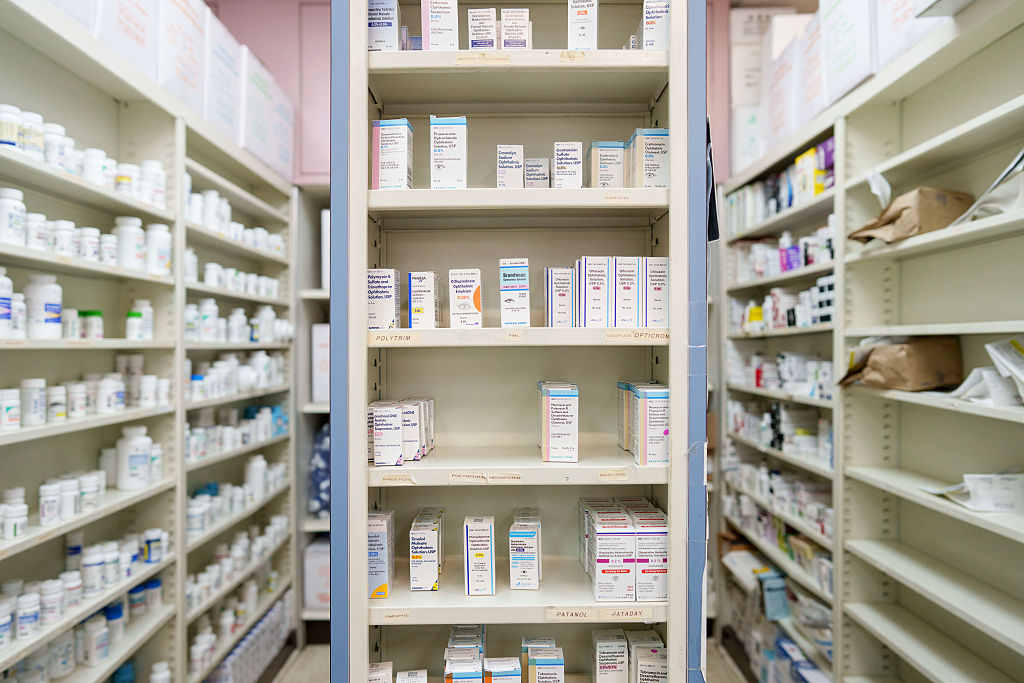 Medications are stored on shelves at a pharmacy in Los Angeles on May 12, 2025. (Eric Thayer/Getty Images)
A bill already recommended by the committee would direct the Federal Trade Commission to report on how pharmacy benefit managers charge for their services, collect and use pharmacies’ proprietary data, determine which drugs to include for insurance payment, and whether they steer patients to particular pharmacies.
The Pharmaceutical Care Management Association responded to the hearing, saying that recent regulatory changes have dramatically improved transparency in the pharmacy benefit manager practices.
“Innovative business model changes, sweeping provisions in the Consolidated Appropriations Act, and mandates in the new Department of Labor PBM rule guarantee unprecedented visibility into every aspect of the PBM industry,” the group said in a statement provided to The Epoch Times.
Closing Big Pharma Loopholes
Several other pending bills target pharmaceutical manufacturers’ practices.
Merith Basey, CEO of Patients for Affordable Drugs Now, told the committee that drug manufacturers manipulate the system to prevent the market from working as intended.
“They build walls of overlapping patents around existing medicines. They move patients onto slightly modified products as generics approach,” Basey said.
“They strike agreements that keep competitors off the market and exploit regulatory processes intended to protect patients. The result is the same: less competition, longer monopolies, and higher prices.”
Proposed legislation would make it significantly easier to introduce biosimilar medications, which are usually much less expensive than brand-name drugs.
Lawmakers say the bills would deter so-called sham citizen petitions, cap patent-infringement lawsuits against biosimilar manufacturers, and bar pharmaceutical companies from paying other drug makers to keep generic drugs off the market.
Grassley and Durbin have also proposed a bill that would require pharmaceutical manufacturers to include a drug’s price in television advertising.
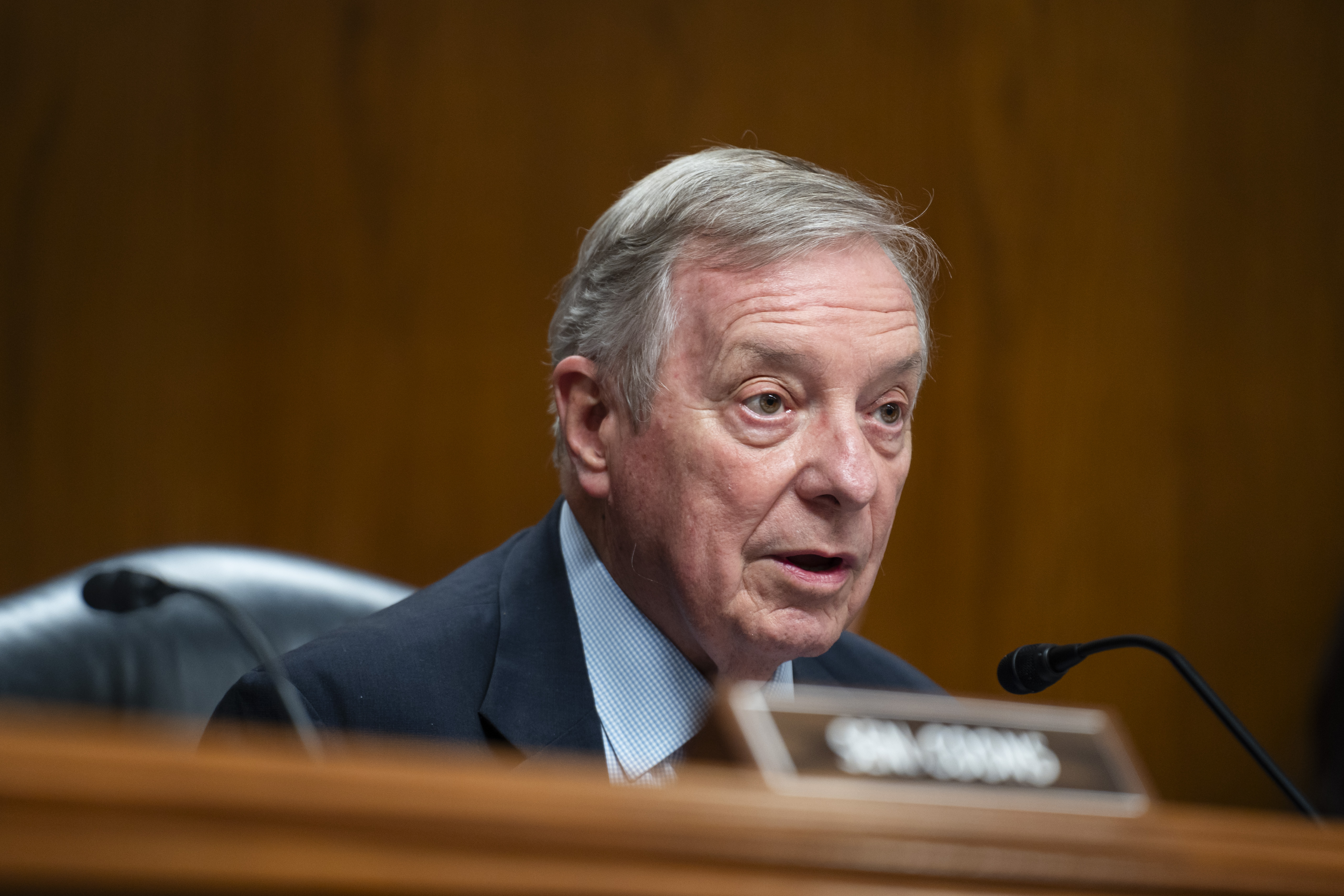 Sen. Dick Durbin (D-Ill.) on Capitol Hill in Washington on July 14, 2026. (Madalina Kilroy/The Epoch Times)
“The starting point is: the American people are already paying for the basic research that leads to the drugs which they need to stay healthy,” he said.
Kennedy defended the role of pharmaceutical manufacturers in developing new drugs and bringing them to market.
“Only the private sector can do it. If you assign this job to government, it’ll never happen. Those who risk their capital to develop these drugs are entitled to recoup their costs and a fair return on their investment,” he said.
The Pharmaceutical Research and Manufacturers of America, a trade organization representing pharmaceutical companies, did not respond to a request for comment by the time of publication.
Outcome Uncertain
Grassley called for immediate Senate action.
“It’s time for the Senate to pass the five other bills that have been reported by this committee,” he said.
With just 18 legislative days remaining on the Senate’s calendar, it’s uncertain whether the bills will come to a vote.
“We’re not going to have another chance,” Kennedy said. “We took our shot, and we missed.”
Basey was more optimistic, noting that the hearing itself is a sign of progress.
“I think the election did send some very clear messages that people are upset. They’re frustrated with healthcare costs. They’re frustrated with drug pricing costs,” she told The Epoch Times.
“Patients are struggling, and they will need every tool available to really begin to see a difference in their pocketbooks at the end of the day.”