The Trump administration has designated three Guatemala-based groups as terrorists for their role in assisting Mexican drug cartels.
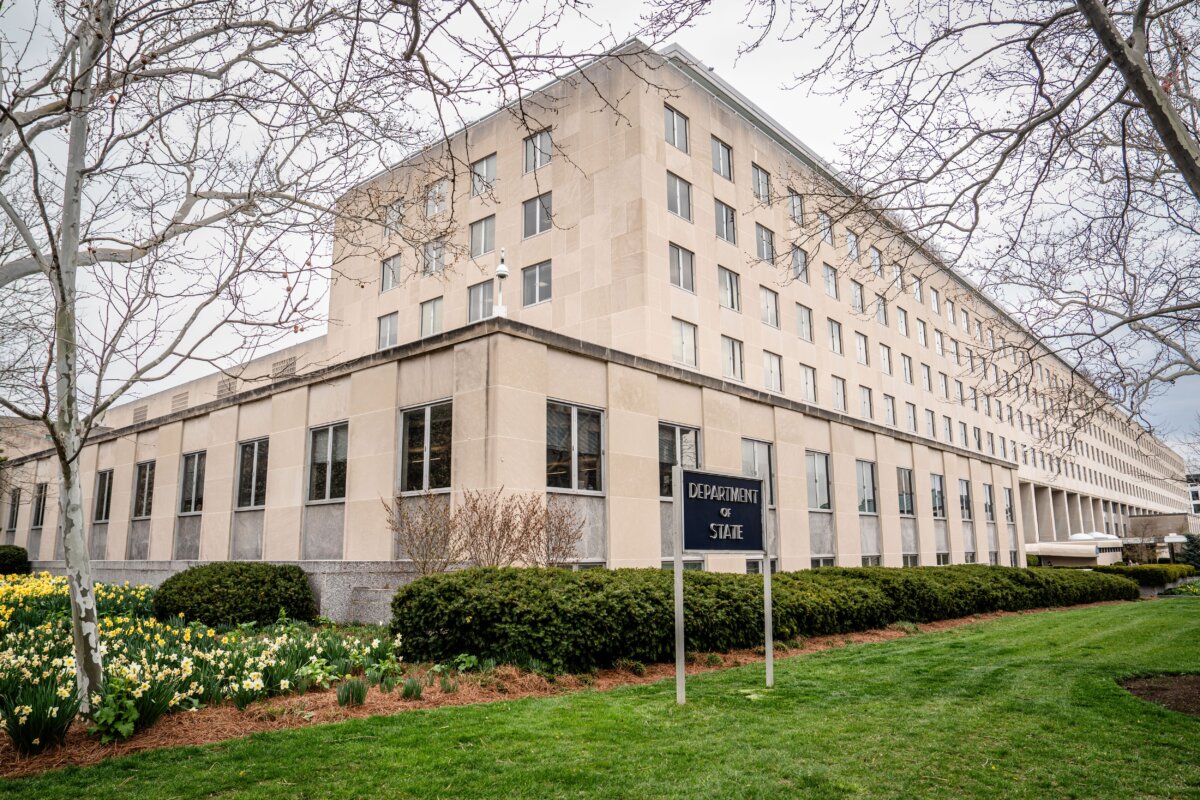
“Today, the Trump Administration is imposing terrorist designations against Los Lorenzanas, Los Huistas, and Los Mendoza,” Secretary of State Marco Rubio said in a Nov. 13 statement.
“These three Guatemala-based groups have deep ties with Mexican cartels, helping to move and export illicit drugs to fund terrorism and criminal activity.”
The State Department designated Los Lorenzanas, one of Guatemala’s most powerful drug trafficking clans, as both a Foreign Terrorist Organization and a Specially Designated Global Terrorist. The group has carried out numerous acts of violence against civilians, government officials, and military forces, according to the department.
Meanwhile, the Treasury Department designated Los Huistas and Los Mendoza as Specially Designated Global Terrorists for providing material support to Mexican narco-terrorist cartels.
Treasury Secretary Scott Bessent said the action “exposes the ties between politically influential Guatemalan criminal organizations and Mexican foreign terrorist organizations that facilitate the flow of deadly narcotics into the United States.”
“Under President Trump’s America First agenda, the Treasury Department will continue to target the criminal networks that enable violent organizations like the Sinaloa Cartel and CJNG to traffic drugs across our borders and threaten the safety of the American people,” Bessent said, referring to the Cartel de Jalisco Nueva Generación.
Los Mendoza and Los Huistas control strategic trafficking corridors along Guatemala’s borders with Honduras and Mexico, making them logistics partners of the Sinaloa cartel and CJNG, both of which are U.S-designated foreign terrorist organizations.
They facilitate the receipt, storage, protection, and cross-border movement of drugs headed for the United States.
The designations freeze any assets under U.S. jurisdiction and bar U.S. persons from dealing with the groups. The foreign terrorist organization status for Los Lorenzanas also criminalizes providing material support to the group.
The actions rely on section 219 of the Immigration and Nationality Act, Executive Order 13224 as amended, and Executive Order 14059.
The moves are an extension of previous actions taken by the Trump administration against transnational criminal groups over the past two years.
In September 2025, the State Department designated the Barrio 18 street gang as a Foreign Terrorist Organization and Specially Designated Global Terrorist.
Rubio at the time called Barrio 18 “one of the largest gangs in our hemisphere” and attributed the move to the administration’s “unwavering commitment to dismantling cartels and gangs and ensuring the safety of the American people.”
In his most recent statement, Rubio said that the administration “will continue to use all available tools to protect our nation by keeping illicit drugs off our streets and disrupting the revenue streams funding violent narcoterrorists.”
“We will not stand by while these foreign terrorist organizations corrupt Guatemala’s institutions,” he added.
Earlier in 2025, the department designated MS-13, Tren de Aragua, the Sinaloa cartel, and CJNG under the same framework.
Los Mendoza has operated since the 1980s as a family-based transport intermediary for the Sinaloa cartel, using border crossings, airstrips, and protection networks in the Guatemalan regions of San Marcos, Huehuetenango, and Petén.
It has also engaged in contract killings, money laundering, land seizures, and cattle and real-estate ventures.
Los Huistas, which has been active since the 1990s, maintains ties to local businessmen, police, and politicians in northwestern Guatemala.
The Treasury first sanctioned Los Huistas back in March 2022 under Executive Order 14059.
In March 2025, Guatemalan and Mexican authorities arrested Aler Baldomero Samayoa Recinos, known as La Chicharra, the alleged top leader of Los Huistas, in a joint operation with U.S. involvement.
Guatemalan Interior Minister Francisco Jiménez said on X at the time that Samayoa Recinos was Guatemala’s number-one most wanted fugitive and also ranked among the 100 most wanted by the United States.
The Lorenzana clan has faced repeated U.S. prosecutions.
In 2024, Marta Julia Lorenzana-Cordon, a leader from Zacapa, Guatemala, received a 33-year prison sentence and was ordered to forfeit $27 million after pleading guilty to conspiring to distribute cocaine for import into the United States.
Authorities had described the network as one of the most brutal and destructive drug trafficking organizations in the world. Her brothers were also handed lengthy sentences.
The latest designations expand those earlier efforts against the same families and trafficking corridors.