
Around 6,179 pounds of narcotics were seized across two separate maritime interdictions in the Eastern Pacific Ocean that involved a U.S. task force.
In the first interdiction, the Costa Rica Coast Guard tracked a suspicious vessel in the Eastern Pacific.
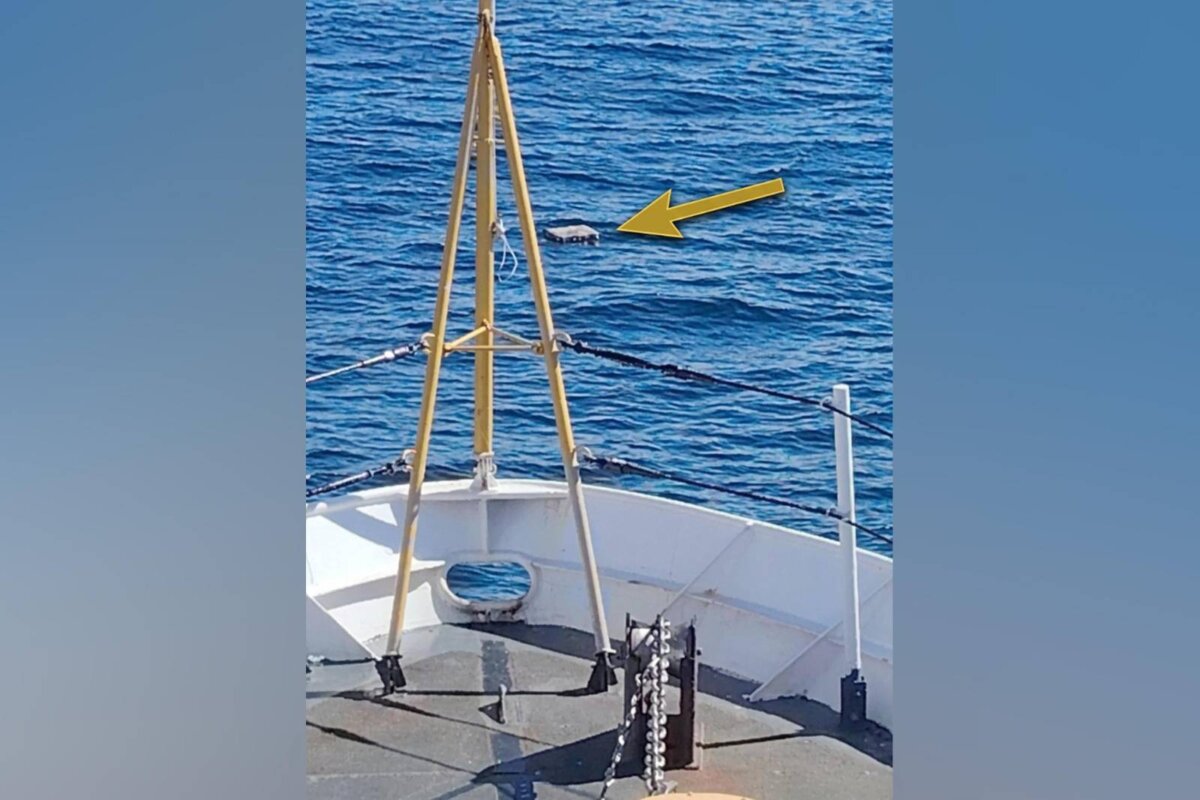
Later, the Coast Guard discovered about 70 packages floating in the water, the Joint Interagency Task Force South (JIATFS) said in an Oct. 28 post on X. In total, roughly 3,675 pounds of cocaine were seized, with the jettisoned cargo fully recovered.
The second interdiction led to the seizure of 2,504 pounds of marijuana, JIATFS said in an Oct. 29 post on X. The task force helped in detecting, monitoring, and supporting the interception of the go-fast vessel trafficking the marijuana together with authorities from a partner nation, which was not mentioned in the post. Three people were detained.
JIATFS supports U.S. Southern Command-led operations in the Caribbean Sea and the Eastern Pacific to detect and dismantle narcoterrorist networks operating across the region, the post said. The task force is an international alliance composed of 20 international and 13 domestic partners.
For the first interdiction, a U.S. Maritime Patrol Aircraft and the JIATFS provided support in searching and locating the narcotics cargo.
The U.S. Department of the Treasury has targeted facilitators of maritime drug trafficking activities. For instance, in January, the Treasury announced sanctions on one of the largest narcotics traffickers in the Caribbean, Luis Manuel Picado Grijalba, and his network.
The Grijalba-led network is responsible for transporting vast quantities of cocaine from Colombia, storing them in Costa Rica, and eventually shipping them to the United States and Europe, the Treasury said. The Treasury also sanctioned four additional individuals and five entities.
In August, the Treasury sanctioned 15 Ecuador-based targets and designated 10 vessels allegedly used to traffic narcotics as blocked property.
These vessels operated as legitimate fishing businesses but were secretly engaged in trafficking cocaine into the United States, the Treasury said. The cocaine was smuggled through Mexico by cartels such as the Sinaloa Cartel and Jalisco New Generation Cartel.
“Under President Trump’s leadership, Treasury is relentlessly targeting the narcoterrorist networks that profit from poisoning Americans,” Treasury Secretary Scott Bessent said in the statement.
“Working alongside our law enforcement partners, we will continue to disrupt the cartels’ drug trafficking operations and protect our borders.”
A May report from the Office of National Drug Control Policy said that the Caribbean corridor is a strategic maritime and air transshipment zone for narcotics.
Transnational Criminal Organizations (TCOs) use high-speed go-fast boats, semi-submersibles, submersibles, and low-profile vessels to transport cocaine. These groups use corruption and lawlessness to enable their operations, presenting a major risk to regional stability and America’s national security, the report said.
“The region’s complex geography, comprising thousands of islands and vast maritime expanses, provides ample cover for TCOs to conceal their operations. U.S. territories, particularly Puerto Rico and the U.S. Virgin Islands (USVI), are prime targets for traffickers,” the report said.
In an Oct. 20 statement, the Drug Enforcement Administration announced the extradition of three Mexican nationals to face maritime drug trafficking charges in the United States.
The individuals are alleged to have conspired to distribute cocaine while aboard a U.S. vessel they were working on. In April last year, Costa Rican authorities interdicted the vessel and seized roughly 1,851 pounds of cocaine hidden in the ship, arresting the three crew members.
“This case is noteworthy for several reasons,” First Assistant U.S. Attorney Brad Schimel said in a statement.
“First, this is one of the largest drug seizures ever charged in the Eastern District of Wisconsin.
“Second, it is an unusual case because an enormous quantity of drugs was intercepted before it ever entered the United States. This case demonstrates the incredible capabilities of U.S. authorities working in partnership with our counterparts in Central and South America.”
An earlier version of this article misspelled First Assistant U.S. Attorney Brad Schimel’s name. The Epoch Times regrets the error.