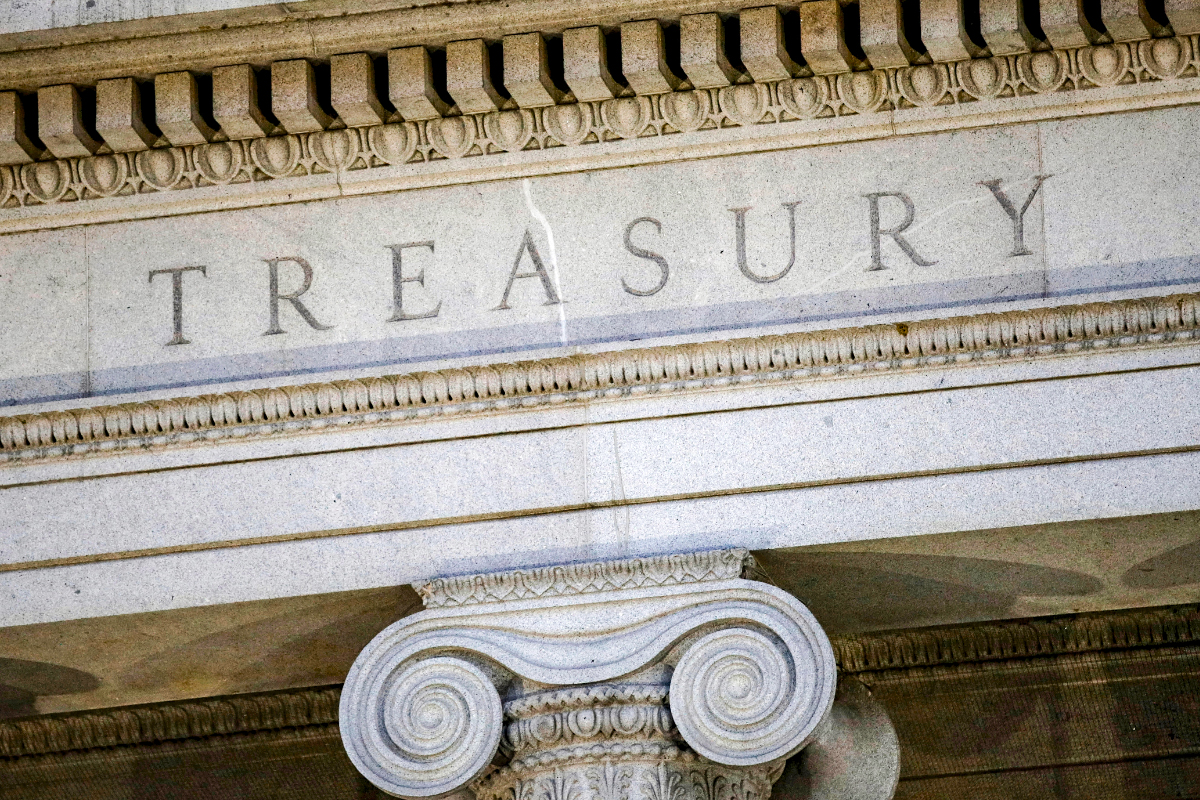

The Treasury Department on Thursday excluded Venezuela from proposed restrictions on certain U.S. investments abroad, saying the government of former President Nicolás Maduro no longer exists following his capture in January.
The Treasury said Venezuela’s current government, led by Maduro’s former deputy, Delcy Rodríguez, did not meet the statutory definition of a country of concern under the proposed rules.
The proposed rules could still apply to certain investments in Venezuelan entities.
The department issued a Notice of Proposed Rulemaking on Thursday to update its Outbound Investment Security Program under the Comprehensive Outbound Investment Security (COINS) Act.
The COINS Act directs the Treasury secretary to set rules requiring U.S. individuals and businesses to report certain investments in foreign entities working on sensitive technologies and banning other investments in those technologies. The proposed rules require notification of prospective investments in six sectors and five designated countries, while banning them outright for artificial intelligence.
The Treasury Department added an additional sector—biotechnology—to the five identified in the legislation: advanced semiconductors and microelectronics, artificial intelligence systems, quantum information technologies, high-performance computing and supercomputing, and hypersonic systems. It said certain advanced biotechnologies could pose an acute risk to national security, citing the proliferation of biological weapons, the development of brain-computer interfaces, and harm to U.S. supply chain security.
The Treasury will accept comments through Dec. 7 on the proposed rules, mandated under the COINS Act, which passed Congress in December following a bipartisan effort that began under President Joe Biden in 2023.
The countries of concern under the earlier framework included China, Cuba, Iran, North Korea, Russia, and Venezuela “under the regime of Nicolas Maduro.”
Curbing Investment Risks
Secretary Scott Bessent said that under President Donald Trump’s leadership, the Treasury is committed to putting America’s national security first.
“The proposed regulations would strengthen the existing Outbound Investment Security Program to prevent our adversaries from using U.S. investment to develop critical technologies that threaten U.S. national security,” Bessent said in a statement.
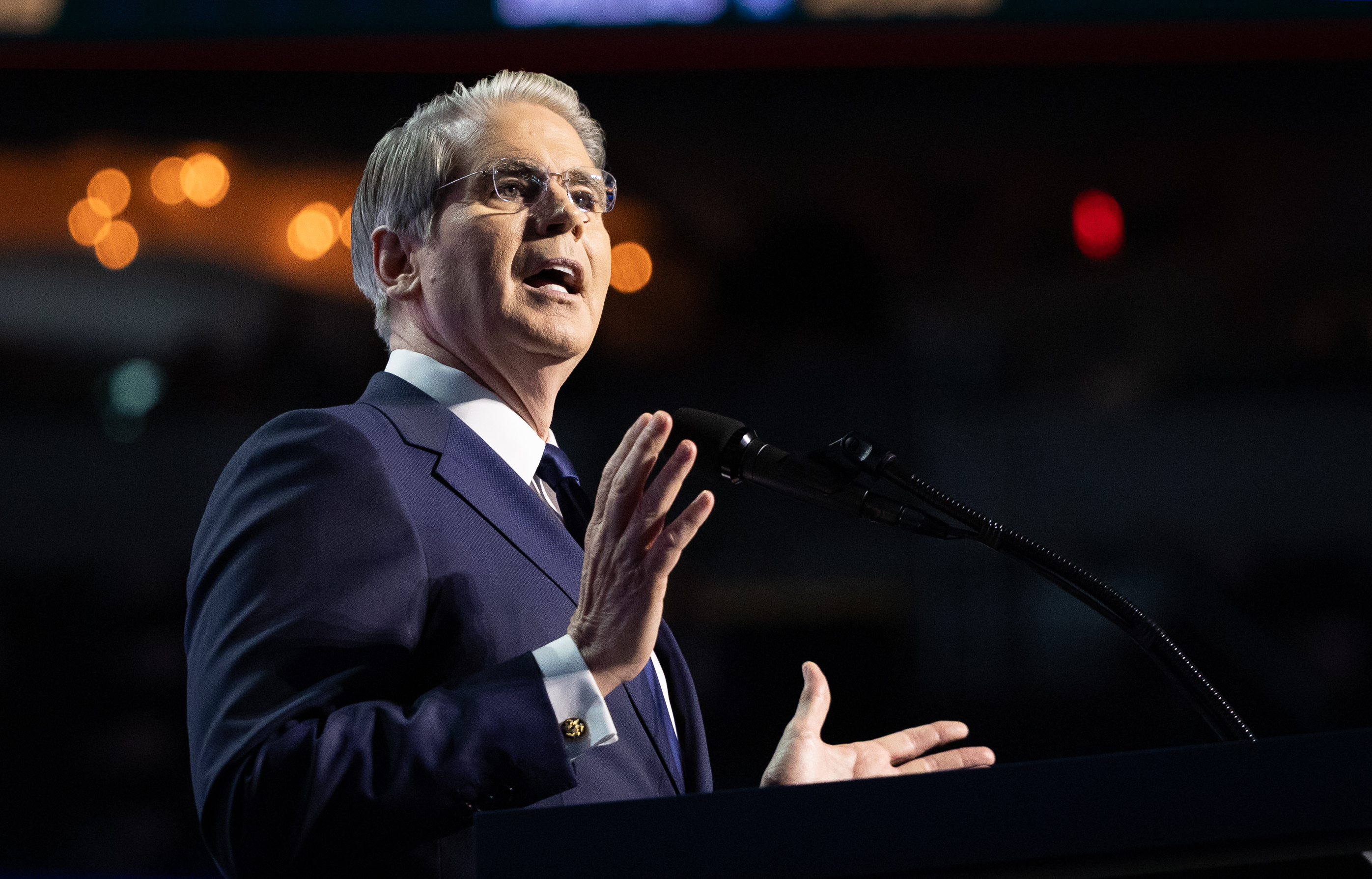 Treasury Secretary Scott Bessent speaks at Day 1 of the 2026 Republican National Committee (RNC) Midterm Convention in Dallas on Sept. 9, 2026. (John Fredricks/The Epoch Times)
Assistant Secretary of the Treasury for Investment Security Christopher Pilkerton added that the proposed regulations “are designed to address risks that can arise when foreign adversaries try to benefit from U.S. investment in key technology sectors.”
Washington Eases Restrictions
Washington has encouraged U.S. investments in Venezuela since Maduro’s capture in January, and in April, the Treasury relaxed restrictions on doing business with Venezuelan banks.
Among deals made was Venezuelan authorities granting New York City-headquartered investment firm Heeney Capital operational and export rights for a gold mine. The initial investment in the El Callao mine is estimated to be up to $1 billion. The United States imposed heavy sanctions on Venezuela’s gold sector starting in 2018, targeting Maduro’s regime and state mining firm Minerven. In March, the Treasury softened sanctions on Minerven.
Significant oil deals have also been made, with the White House releasing details on Aug. 31 about an agreement that would give the United States access to 65 billion barrels of Venezuela’s oil reserves.
Reuters contributed to this report.