
New screwworm cases were reported in New Mexico, and a first-ever detection in U.S. wildlife was logged in Texas, less than a week before the southern border reopens to livestock imports from Mexico, officials said on Oct. 21.
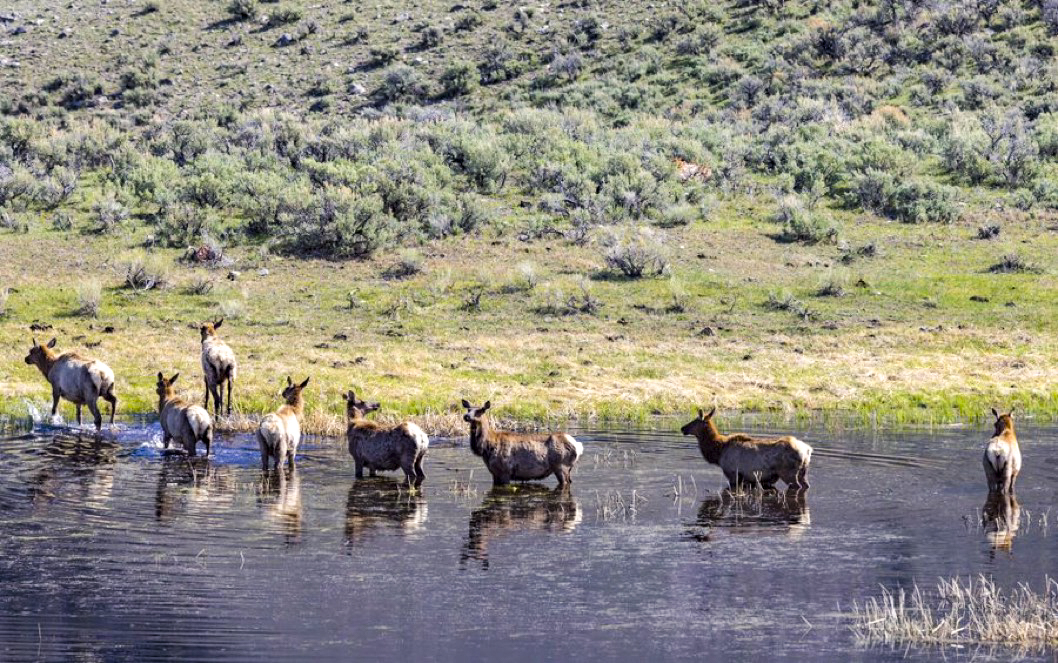
Wildlife officials confirmed that an elk located on a game ranch in Pecos County, Texas, was infested with the first case of New World screwworm. The elk was harvested by a hunter and reported to the U.S. Department of Agriculture (USDA).
“This detection highlights the critical role hunters, landowners, outdoor enthusiasts, and wildlife professionals play in helping detect and stop the spread of [screwworm],” the USDA said in a statement.
The Texas Animal Health Commission is expected to modify the state’s infested zone. The USDA and Texas Parks and Wildlife Department are conducting more wildlife surveillance in the area following the report.
In New Mexico, a fifth case of screwworm was confirmed by state animal health officials, this time in a beef cow in Otero County on Oct. 21.
“We are working closely with our state and federal partners to investigate these cases, increase surveillance and monitor for additional infestations,” State Veterinarian Samantha Holeck, with the New Mexico Livestock Board, said in a statement.
On Oct. 15, the pests were found in a horse and a calf in Grant County.
State and federal officials expanded surveillance and fly trapping around the affected locations to identify any additional cases and find whether the pest had spread beyond the infested animals.
The state now has two infested zones where animals must be inspected and treated, if necessary, before they are moved within or out of the area.
“This is a critical time as we move toward cooler weather. Cold daytime temperatures can slow screwworm activity, but the risk is not completely eliminated,” New Mexico Secretary of Agriculture Jeff Witte said.
Grant County is home to an active and historic cattle ranching community and about 25,000 head of cattle, the USDA estimated. In all, the state has about 1.2 million head of cattle and calves.
More than 40 farms operate in the county, and about 1 million acres are dedicated to farming and ranching in the area.
The state’s ranchers are counting on saving their cattle by detecting the pests early, according to the New Mexico Farm and Livestock Bureau.
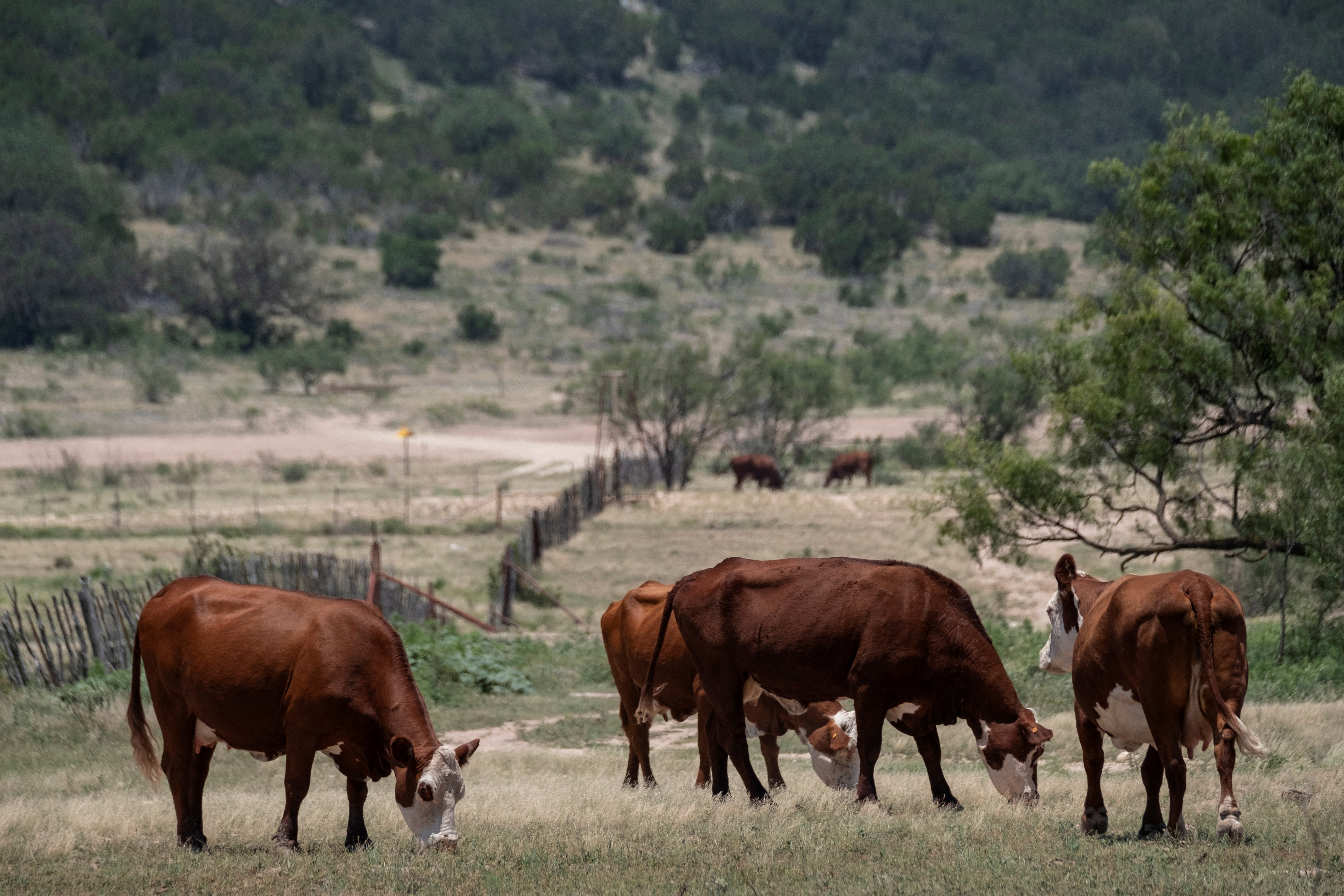 Cattle roam a field adjacent to State Highway 163 south of Ozona, Texas, on June 22, 2026. (Joel Angel Juarez/Reuters)
Agriculture Secretary Brooke Rollins visited Columbus, New Mexico, on Oct. 20 to speak with producers ahead of the livestock crossing reopening, which is scheduled to start on Oct. 26.
The southern livestock ports, which closed in May 2025, are scheduled to reopen to livestock now that active cases of the screwworm have sharply declined.
“I met with ranchers and state leaders and toured the stockyards to discuss our aggressive efforts to STOP this devastating pest before it threatens American livestock,” Rollins said in a post on X. “The Trump Administration’s aggressive response is delivering REAL results.”
 Agriculture Secretary Brooke Rollins meets with livestock owners and public officials in Columbus, N.M., on Oct. 20, 2026. (USDA)
Rollins announced that Santa Teresa Port of Entry in New Mexico, which started importing cattle in September after the animals met inspection requirements on both sides of the border, will resume importing horses on Oct. 26.
She said that in Columbus, New Mexico, reopening to cattle is set for Oct. 26. Every animal must undergo multiple inspections before entering the United States.
And in Nogales, Arizona, cattle imports will be allowed on Nov. 30 if conditions continue to support safe trade, Rollins said.
The New World Screwworm Rapid Response, a coalition of federal and international partners led by the USDA to contain and eradicate the parasitic flies, has released more than 1 billion sterile flies to disrupt the pests and eradicate the infestations.