
The Trump administration expects to roll out a plan to boost the domestic beef industry by opening new grazing land and building more processing plants, U.S. Agriculture (USDA) Secretary Brooke Rollins revealed during an interview with CNBC Oct. 21.
“We have a pretty big package coming out very soon, perhaps this week,” Rollins said.
The plan would incentivize and open up new lands to make it easier to become a rancher in the United States. It would also allow more processing plants to be built around the country, Rollins said.
Four big companies currently control about 85 percent of U.S. beef processing—Cargill, Tyson Foods, JBS, and National Beef—according to the USDA. The consolidation of processing plants has many in the industry concerned about the market pricing out smaller, independent cattle growers.
Rollins estimated that the U.S. lost 17 percent, or about 150,000 of its ranchers, who stopped ranching as the market consolidated over the past decade.
“The prices are high,” Rollins said. “The president is very focused on fulfilling his promise on bringing grocery prices down.”
The administration hopes to begin moving beef production back to America with its upcoming plan.
Americans consume about 12 million metric tons of beef each year and produce about 10 million metric tons. Two metric tons of beef are imported. Trump’s recently discussed Argentine beef imports would make up part of the 2 million metric tons imported, according to Rollins.
The Public Lands Council, representing cattle and sheep producers who hold 22,000 federal grazing permits in the western United States, plans to review the administration’s package before commenting on it, a spokesperson told The Epoch Times.
Trump’s focus on saving domestic beef production represents a shift from the Biden administration’s actions that limited grazing.

During the Biden administration, in April 2024, the Bureau of Land management finalized a rule that gave land conservation an equal priority with cattle grazing and other public land uses.
The new rule was widely criticized by ranchers, who feared it could lead to future grazing reductions.
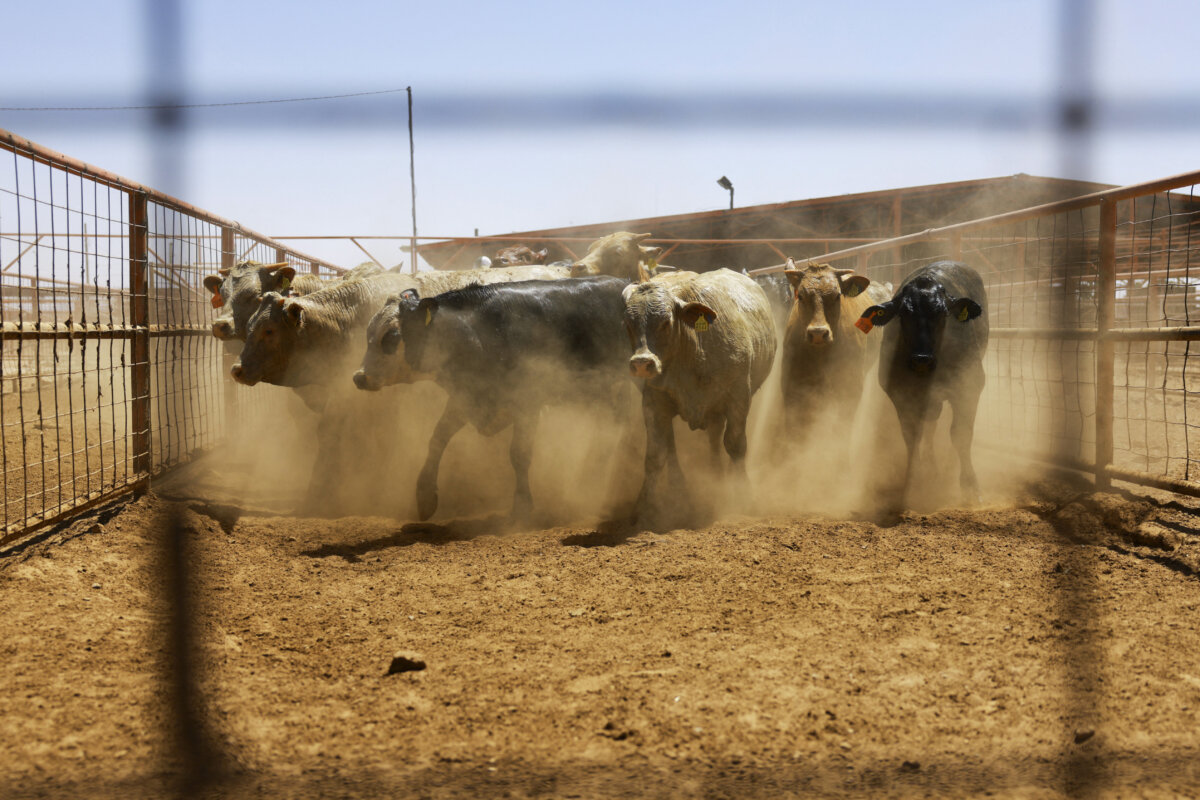
The rule was officially rescinded in September by the Trump administration in favor of supporting responsible energy development, ranching, grazing, timber production, and recreation on America’s public lands.
President Joe Biden also used the Antiquities Act to unilaterally establish two new national monuments. The decisions included removing 1 million acres in Arizona to create the Ancestral Footprints of the Grand Canyon National Monument.
The land designation removed some of the country’s richest uranium deposits from mining, and ranchers lost nearly 40,000 acres of grazing area, according to a study by the Heritage Foundation.