
Commentary
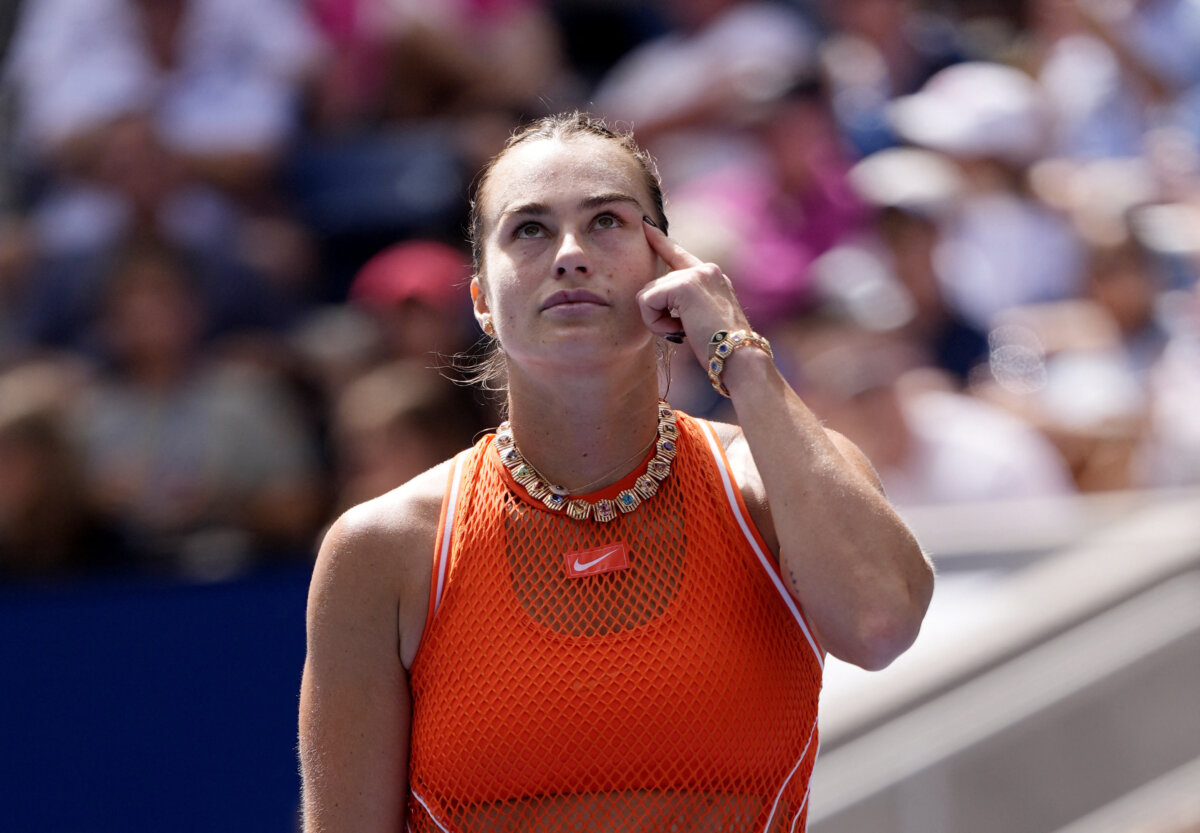
It was a beautiful day for tennis when Aryna Sabalenka—one of the top-ranked players in the world—had to stop and talk to the umpire. It seems the disgusting odor of marijuana smoke was in the air at the U.S. Open in Queens this September.
Spectators covered their noses. There was giggling, but not in a good way. They were laughing at America.
The U.S. Open is one of the four biggest tennis tournaments held in the world. In all the other locations—France, Australia, and England—recreational marijuana use is illegal, as it was in New York not too long ago. Simply put, the incident was a national embarrassment for the American brand. Marijuana stinks.
And the cloud of marijuana smoke offending nostrils and civic pride is only going to get worse. After the blue wave in the midterm elections, a whole new slate of states is looking likely to legalize the addictive drug, including Wisconsin, Pennsylvania, New Hampshire, Hawaii, North Carolina, Iowa, and Texas.
Yet each year the evidence of the harmful effects of marijuana, or cannabis, on the human mind and body—young and old—only mounts. The latest research, published in September by the peer-reviewed medical journal Psychological Medicine, is a systematic meta-study finding that marijuana use is associated with about twice the odds of becoming violent. Marijuana use is also associated with higher odds of becoming a victim of violence. The advocacy group Americans Against Legalizing Marijuana (AALM) said in an email statement reacting to the study: “The ‘marijuana is harmless’ narrative is getting harder to defend—and policymakers need to stop treating it as fact.”
This is where marijuana proponents revert to either research supposedly showing marijuana’s benefits or to the “Well, it’s better than alcohol” argument. The former requires only a little probing to see it is virtually all spin and weak findings. The latter only avoids the reality that the choice for America is either (1) alcohol is legal and marijuana is illegal or (2) they both are legal. Alcohol isn’t going anywhere and is a deeply entrenched part of our culture since time immemorial, but marijuana can certainly be illegal again as it is still in many U.S. states and most of the world.
Meanwhile, the disaster of marijuana legalization has taken on a new dimension. In Siskiyou County, California, the Sheriff’s Office has found that there was an explosion of illegal marijuana growers after the drug was legalized in 2016. Earlier this month, it was reported, “More than $48 billion worth of black market cannabis is produced annually in Siskiyou County alone.” Illegal growers are associated with shootings, kidnappings, robberies, bribery, and water theft. They also use toxic pesticides banned in the United States.
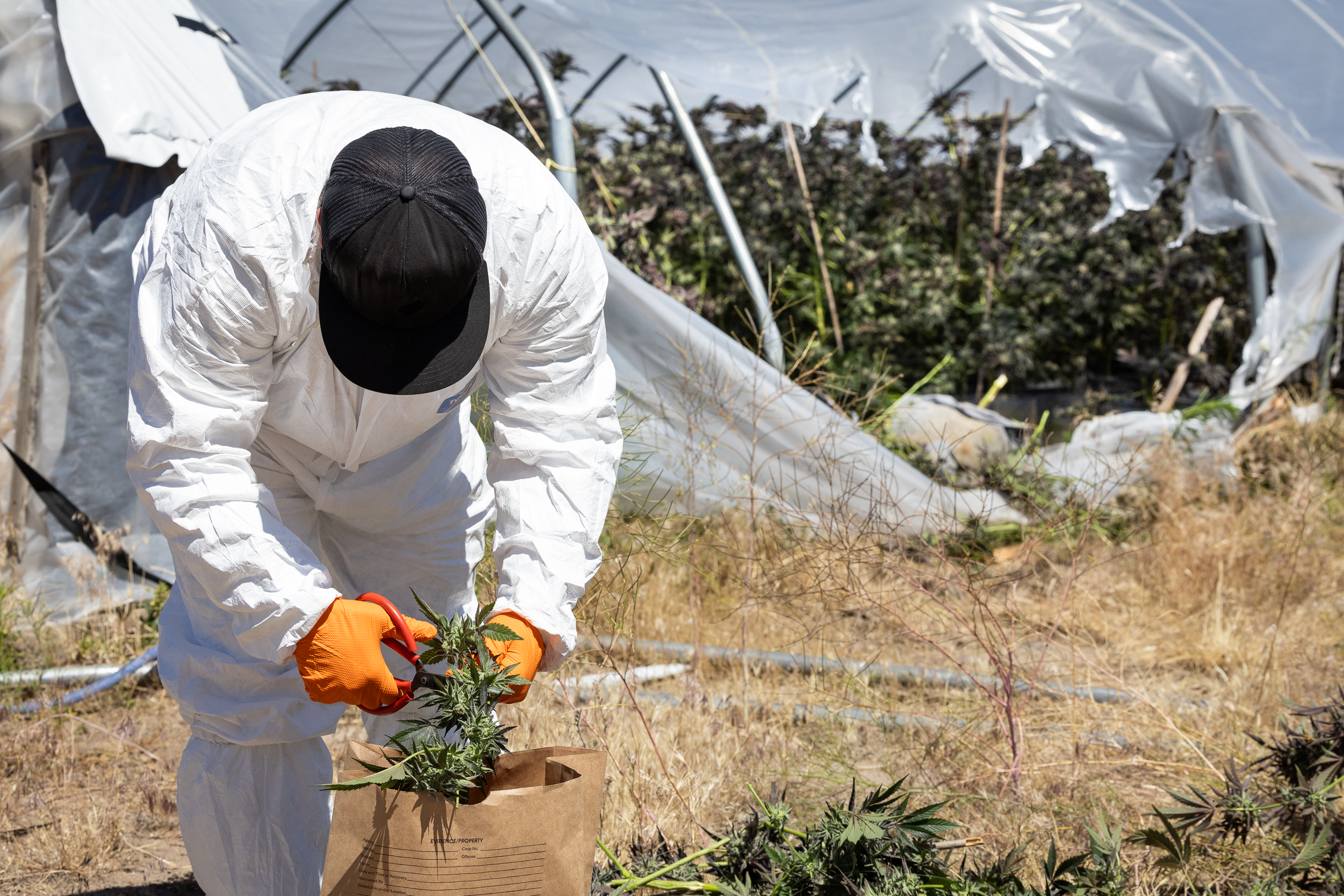 Siskiyou County officials obtain evidence of pesticides being used at illegal Marijuana farms outside of Montague, Calif., on June 4, 2026. (John Fredricks/The Epoch Times)
Yet no politician can realistically take a strong stand against marijuana legalization. The latest Pew Research poll from January found that 55 percent of Americans want marijuana legalized for recreational use. If those who want it legal for medical use are added, the number goes up to 88 percent.
This is the proverbial slowly boiled frog. Americans have not yet woken up to the clear and present danger of legalization. Instead, there is a foggy idea floating around that marijuana is good for medical use. Yet the research supporting this is missing. Todd Neff, writing for UCHealth in March, said, “Study after study is having a hard time finding scientific evidence that marijuana is useful as a medical therapy.” New research is underway.
Meanwhile, what we know for certain is that marijuana legalized for medical use is currently destroying people’s lives. Just ask Laura Stack about how her son Johnny—a high achiever who grew up in a healthy, stable family—became addicted to medical marijuana in Colorado and committed suicide at age 19.
 Johnny Stack at age 16 at junior high school, in Colo., on Sept. 24, 2016. (Courtesy of Laura Stack)
She started the nonprofit Johnny’s Ambassadors, which is dedicated to “saving our youth from the harms of marijuana.” She does speaking engagements and tours the country to raise awareness.
And Johnny Stack’s is only one story. The grassroots organization Smart Approaches to Marijuana (SAM) allows parents across the country to share what today’s high-potency marijuana has done to their families.
In one story, Suzy Gilleon of California talks about her son Evan’s mental deterioration and the failure of the system to identify what was wrong. She says, “Throughout this process, Evan, and many professionals around him, believed cannabis was harmless or even therapeutic. He rejected medication, sleep aids, and medical care as ‘unnatural,’ while continuing to consume high-THC marijuana daily.”
Ms. Gilleon says that only years later a physician correctly identified his condition as cannabis-induced psychosis. I can’t help but ask, how many years later will it take America to correctly identify its cannabis-induced problems?
Views expressed in this article are the opinions of the author and do not necessarily reflect the views of The Epoch Times.