
Commentary
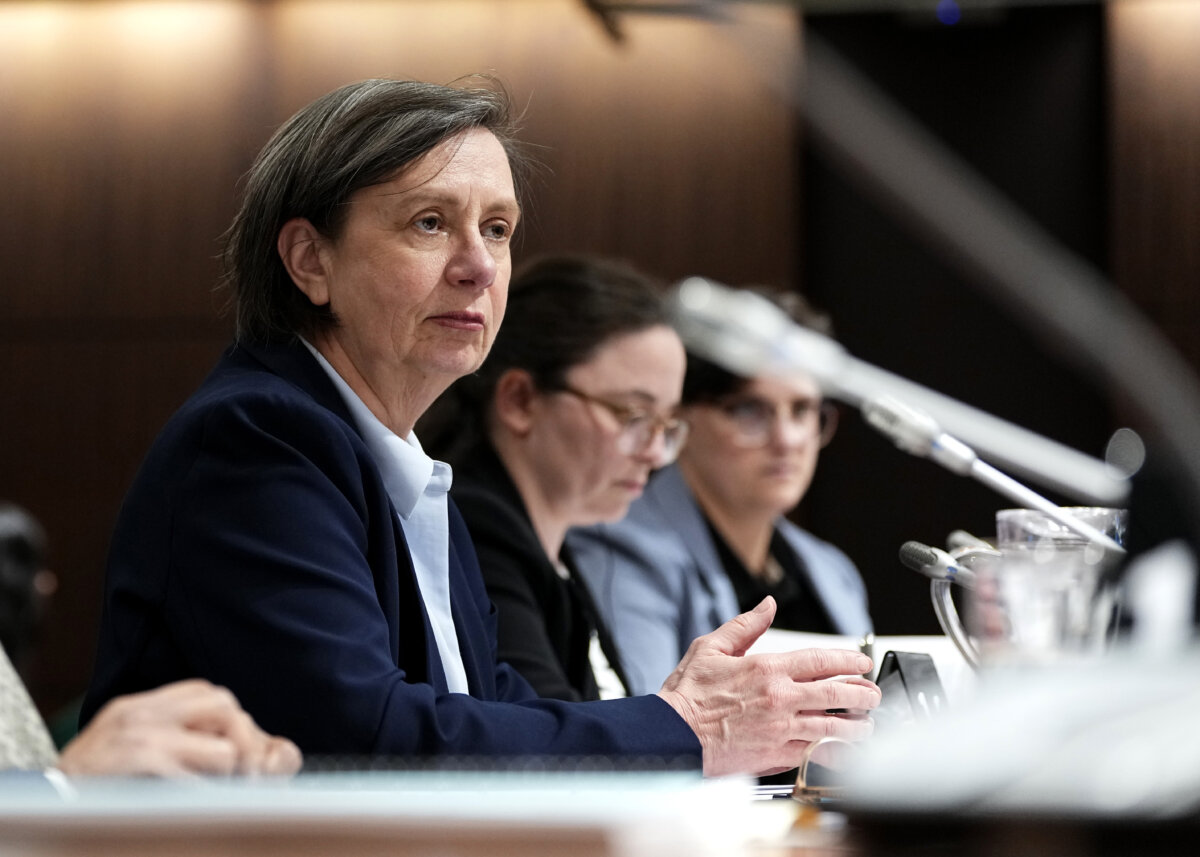
The Parliamentary Budget Office traditionally offers good, critical insight into government spending, and its report on the latest federal budget is no exception. PBO Officer Annette Ryan cuts through the government’s public presentations and offers the hard numbers. And for the most part they aren’t pretty.
In her Nov. 17 review, Ryan found that the federal government gained $158.3 billion in new fiscal room over five years, largely because higher commodity prices pushed up nominal growth and tax revenues. Of that room, 96 percent went to $151.5 billion in new measures. “Almost none of the fiscal windfall went to reducing deficits,” Ryan said.
Canadians often forget that while high oil prices cause pain for consumers at the pump, they also bring in billions of dollars for the federal government. It doesn’t just pad the coffers of the Western provinces. We can’t always count on Middle Eastern conflicts to keep commodity prices high. Oil and gas prices are volatile, and a drop in oil prices will cause projected deficits to climb quickly.
If the government had simply tried to hold the line on spending, it could have kept the deficit down. The PBO says this year’s shortfall would have been $43.8 billion without this budget’s new spending measures. With them, it is $62.3 billion. Deficits are projected to stay above $52 billion every year through 2030–31, adding up to $288.7 billion over five years. The cost of maintaining the ballooning debt is becoming pricey.
Debt costs are where the arithmetic becomes hard to ignore. Public debt charges rise from $53.5 billion last year to $85.5 billion by 2030–31, growing faster than any other major federal expense. The PBO projects they will exceed the Canada Health Transfer from this fiscal year onward. By 2030–31, Ottawa will spend 26 percent more servicing its debt than it sends the provinces for health care, and 31 percent more than it collects from the GST. To put that into perspective, the money being spent to service the debt could have built a large hospital every week, per the Canadian Taxpayers Federation.
It’s not just dependence on high commodity prices that makes the budget unlikely to stay within projected numbers. Interest rates have been on the rise as the Bank of Canada tries to suppress inflation. The base borrowing rate will likely continue to grow in coming years, and that quickly inflates debt servicing costs.
The PBO tested what happens if rates rise. A permanent one-point increase would add $5.1 billion to debt charges in the first year and $15.8 billion by the fourth. When the numbers get that high, the average citizen’s eyes tend to glaze over when hearing them. We need to always measure the costs against tangible items we could have had. Every dollar spent on interest is a dollar unavailable for health care, defence, or tax relief.
The budget lowers projected program spending by $62 billion over five years through an “aggregate forecasting adjustment” that is not tied to any specific program, and the PBO says it will seek more information from the Department of Finance. Projecting spending restraint without offering specifics doesn’t bring confidence.
Meanwhile, the PBO’s conclusion that federal finances are sustainable over the long term excludes the government’s commitment to reach NATO’s 5 percent of GDP defence target by 2035. If that target is met, the PBO says, deficits and debt would be higher than projected.
The government promised Canadians a new discipline in which it would spend less on operations to invest more in growth. Ryan summarized the outcome bluntly: “This budget spends more, invests more and borrows more.” Some of the government’s “investments” are questionable at best. Do Canadians really need to invest $5 million for electric vehicles in Senegal or $560 million for a tropical rain forest fund managed by Brazil? These are not the sort of investments a government ostensibly practising fiscal restraint should be diving into, and it’s hard to see how Canadians will get a tangible return on them.
While the federal government’s budget is challenged by the ongoing trade war with the United States, it was gifted with favourable conditions through high world oil prices and relatively low interest rates. Ottawa had a good year, and the PBO’s numbers show it spent nearly all of it. There was an opportunity to keep the deficit in line while not cutting existing services, but the government chose to increase spending. The PBO isn’t predicting a fiscal catastrophe, but it is raising red flags on spending patterns, debt servicing costs, and budget vulnerability due to its reliance on commodities and low borrowing costs.
The PBO does a great job of summarizing the economic outlook, and it’s offering warnings. Canadians would be well-served to pay attention and demand that the federal government practice the fiscal discipline it preached.
Views expressed in this article are the opinions of the author and do not necessarily reflect the views of The Epoch Times.