
Commentary
The desire for a place to call home is universal. What constitutes a home may vary across cultures, generations, and circumstances, but the yearning for somewhere to belong is something we all share. Even the homeless long for a place of their own; we see this in makeshift villages of cardboard, tarps, and other materials that serve as their shelters, their homes, places where they can find refuge, safety, and some measure of security.
Most of us are familiar with the expressions “A man’s home is his castle” and “It feels safe, it feels like home.” They speak to something deeper than the four walls and roof of a house. Our homes are where our families are raised, children are nurtured, memories are made, and our day-to-day life unfolds. They are places of love, growth, responsibility, and belonging. Our homes become part of the communities we build, the relationships we establish, and the future we hope to leave to our children.
For many Canadians, purchasing a home represents a rite of passage. We work, save, make sacrifices, and often take on decades of debt to buy a piece of property we can call our own. Some will spend much of their working lives paying for it, trusting that their investment will provide stability and perhaps something of value to pass on to the next generation.
So what does it actually mean to own a home, to own property?
Is it unreasonable, in a civilized nation, to expect that once we have fulfilled the financial and legal obligations that come with purchasing property, the property registered in our name is ours? Certainly, we recognize that ownership comes with responsibilities and that there are laws governing the use of our property. But we also assume that no one can simply lay claim to it or take it from us without lawful justification and recourse.
Most Canadians don’t give much thought to the legal foundations of property ownership. We hire a lawyer, obtain financing, sign the necessary documents, and receive confirmation that title has been transferred. The property is now ours. We reasonably conclude that our ownership is protected by law. Who would consider that there might be a caveat in that ownership?
What happens when government agreements or court decisions raise the possibility that someone else may have a claim to the property we legally purchased? How secure is our ownership, and what happens to our trust in the institutions responsible for protecting it?
In recent years, the question of land title and property rights has become increasingly visible as Canadians watch developments in British Columbia, particularly following the August 2025 Cowichan decision.
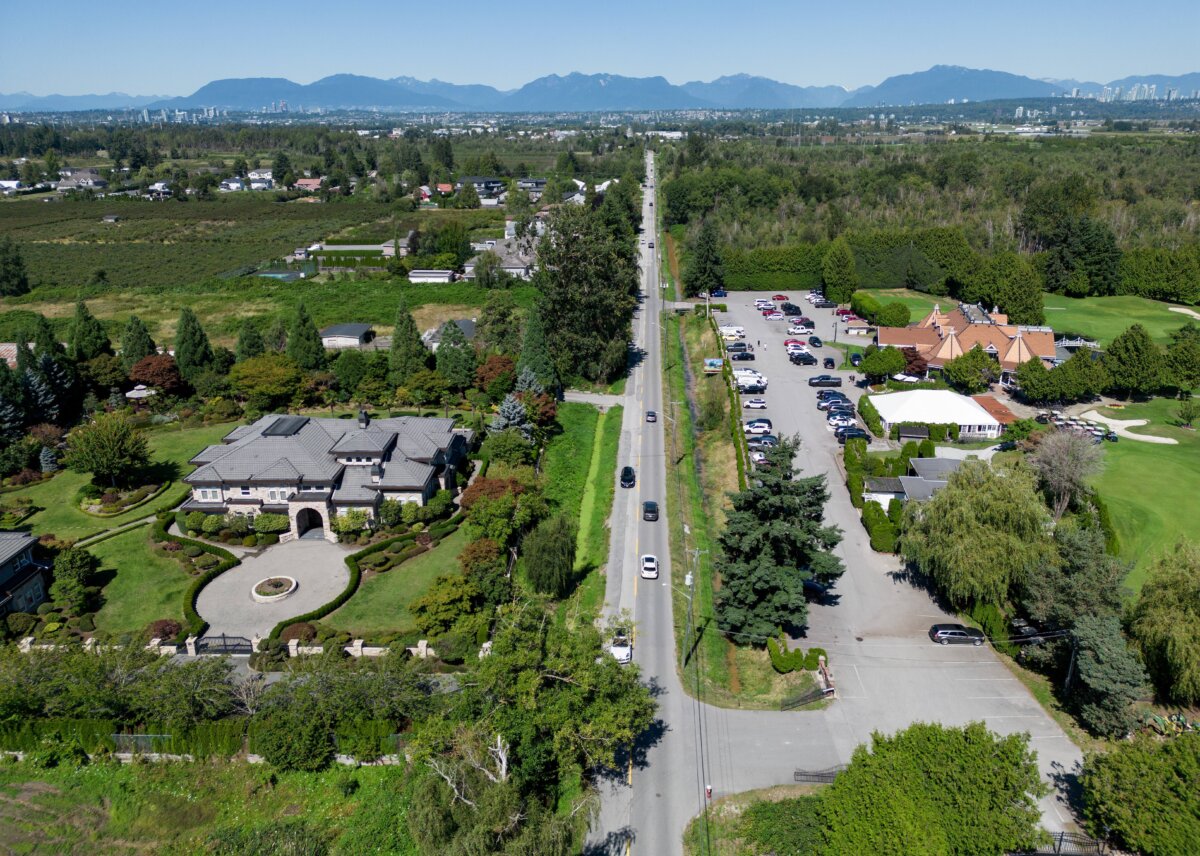
The B.C. Supreme Court recognized aboriginal title over lands in Richmond, including privately owned properties. The court also found certain fee simple interests held by Canada and the City of Richmond defective and invalid, while directing the province to negotiate the reconciliation of privately held interests with Cowichan title. The ruling did not simply cancel the titles of individual homeowners, but it raised important questions about the relationship between aboriginal title and registered private ownership.
Perhaps one of the most consequential statements in the judgment appears at paragraph 2259, where Justice Young writes: “Aboriginal title currently lies beyond the land title system in British Columbia and the LTA does not apply to it.”
For Canadians who have relied upon the security of registered land title, that finding raises serious questions. If aboriginal title exists outside the system established to recognize and protect property ownership, what happens when those two forms of title overlap? And what protection can property owners reasonably expect?
The decision is under appeal, with both federal and provincial governments expressing concerns about its implications for private property rights. Questions remain about the positions they took during the trial and the extent to which those positions contributed to the judgment. Are their assurances that they will appeal a genuine commitment to defending property rights, or merely political posturing? And will they seriously challenge the findings that have created such uncertainty for property owners?
During an NCI Live discussion in October, lawyer and National Citizens Inquiry lead counsel Paul Jaffe raised concerns about the consequences of uncertain land ownership, questioning why anyone would invest in a business, such as a lumber mill, without knowing who owned the land beneath it.
In another recent talk, Jaffe was more direct about the implications for homeowners.
“Nobody really in B.C. knows anymore whether or not the house in which they’ve invested their entire life savings actually belongs to them or not,” he said.
His concern reaches far beyond British Columbia. What about the Canadian family whose life savings are tied up in a home? The farmer whose land has been cultivated for generations, or the young couple assuming a mortgage with the expectation that they are building a secure future?
In December 2025, BC Premier David Eby assured British Columbians that “people’s homes and businesses are not bargaining chips.” Yet his government has engaged in confidential negotiations concerning Crown land transfers and proposed legislative changes.
If governments are entrusted with protecting our property rights, should Canadians not have a right to know what is being negotiated, who is being represented and how those decisions might affect them? What authority do governments have to enter into agreements that may affect the rights of people who have had no opportunity to participate in those negotiations?
These questions go beyond the legal complexities of land registration and competing claims. They concern the responsibilities of those who govern and the confidence Canadians place in the institutions established to protect their rights.
Governments establish the legal framework under which property is purchased and transferred. Courts interpret the law and resolve disputes. Authority also carries responsibility. If governments recognize and register our ownership, should they not also be accountable for protecting the rights we have relied on?
These are questions that deserve to be examined openly, with an opportunity for those who may be affected to be heard. The National Citizens Inquiry will take up these issues at public hearings in Langley, B.C., on Dec. 8–10, examining land claims, aboriginal title, Crown authority, jurisdiction, and private property rights. The hearings will provide an opportunity for witnesses to present evidence and testimony and for Canadians to consider the implications for themselves.
For most of us, our home is not simply a parcel of land recorded in a government registry. It represents years of work, sacrifice, family life, and hope for the future. We have every reason to expect that the rights attached to that ownership will be respected and protected.
Who is ultimately responsible for protecting the property rights Canadians have been assured they possess?
Dominique Fournier is executive assistant and communications lead for the National Citizens Inquiry, where she works closely with witness testimony examining issues affecting Canadians, public policy, and government accountability. She holds a Master’s degree in political science from the University of Calgary.
Views expressed in this article are the opinions of the author and do not necessarily reflect the views of The Epoch Times.