Commentary
In my childhood, food wasn’t just something we bought and ate. It was part of the culture I grew up in.
In upstate New York, I remember harvesting wild strawberries and black caps. In Maine, we picked blackberries and blueberries. We also had peach trees along the driveway. We picked cherries from the fence lines for pies on the Fourth of July. My grandparents summered in Maine, and picking crab was part of our summer afternoons. It was a lot of work for what you got in the end: a crab roll.
At the table with my grandmother, we cleaned green beans or shelled peas. My aunt, mother, or grandmother might be making jam or jelly. My mother made tofu and tempeh every week.
We went down to the root cellar for carrots, potatoes, cabbage, and apples. My father held apple-tasting parties, inviting people to try the varieties he grew alongside apples he had ordered. We canned cucumbers and green beans for dilly beans and made tomato sauce from the garden.
When I visited my grandparents, I used to joke that every meal involved a discussion of the next one: What were we going to eat? What needed harvesting or cleaning? Who was making dessert? Which berries did we need to pick for pies or cobbler?
Planting fruit trees and tending a big garden were ordinary parts of life. So were the hours of work that came with them: picking, washing, sorting, preserving, and cooking. The work happened together, often around a kitchen table, and the food carried those hours with it.
I went to a Waldorf school, where we had a garden. We used the vegetables we grew to make soup, and we baked bread to go with it. We didn’t grow the grain for the bread, but we did learn that a meal involved more than opening a package. Food took care, time, and work.
My aunt worked at a food co-op, in part, I think, to get a discount. My mother worked at an organic bakery. She would bring home flour that had bugs in it, freeze it, and sift the bugs out. I can’t imagine many people doing that now. It’s easier to throw the flour away. We have grown accustomed to food arriving clean, packaged and ready to use, and to discarding things that once would have been salvaged.
Yesterday, my husband processed 36 chickens. Some will be used for tacos at Jeffrey Tucker’s Brownstone supper club here at the ranch, and some will go to our store. It took all day. It would be easier to buy organic boneless, skinless chicken breasts at Costco, but that wouldn’t be the same meal.
We’ll serve tacos made with beef, pork, and chicken from the ranch, along with chili peppers, cilantro, onions, and corn tortillas from the ranch. I can’t count the thousands of hours of work that have gone into the food we’ll serve our guests. Raising animals and growing crops take time. So do the daily chores, the harvesting and processing, the cooking, and all the work that happens before anyone sits down to eat.
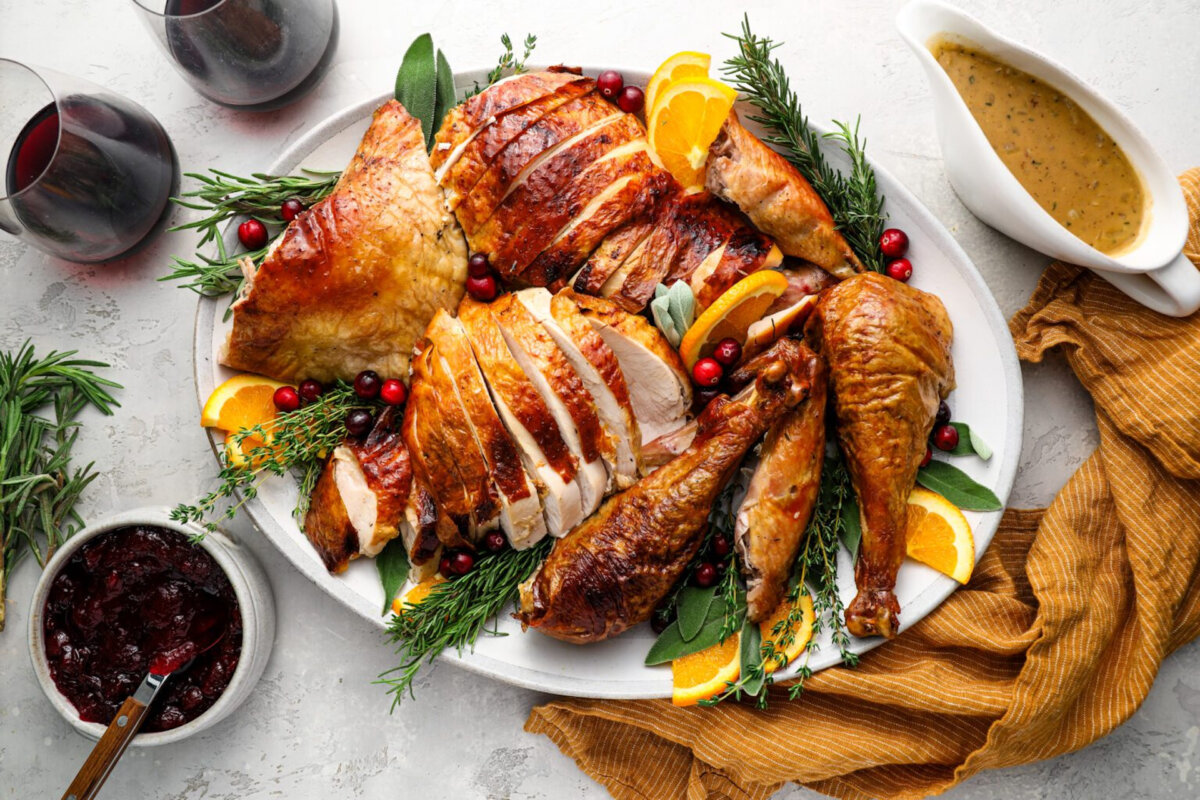
Last year for Thanksgiving, my husband shot the turkeys on our land. This year, we’ll serve turkeys we raised here on the ranch. That changes the way you think about dinner. Instead of starting with a recipe and a shopping list, we ask: What do we have in abundance, and how can we make a meal from it?
One of the things I offer people at Sovereignty Ranch is the chance to eat food that came from the land they’re standing on. They can sleep here, walk the property, see the animals and crops, and then sit down to a meal made from what this place produced. That used to be ordinary. People often ate food grown, gathered, or raised close to home. Now, for many people, it is unusual to know where a meal came from, let alone to eat food raised on the very land where they are sitting.
My children are getting to participate in some of this. They can see where food comes from and take part in the work of growing, harvesting, and preparing it. But I wonder how much of this food culture has disappeared for everyone else—and how much knowledge is lost when fewer families forage, garden, preserve, and cook together.
Foraging and harvesting as a family may be becoming a lost art. So is the everyday knowledge of what is ready in the garden, how to put it away for winter, and how to make a meal from what you have. Those skills are practical, but they also connect us to one another and to the place we live.
I grew up thinking it was normal to talk about food all day: what we had, what we were going to make, what still needed to be picked. Maybe it was more than a family habit. It was a way of paying attention—to the seasons, to the people around us and to the work that feeds us.
When people eat what comes from the land beneath their feet, the meal becomes part of their experience of that place. They can taste the soil, the season, the labor, and the care. That kind of connection was not a rarity in the past. Today, it almost never happens. At the ranch, I want people to have the chance to experience it again.
Views expressed in this article are the opinions of the author and do not necessarily reflect the views of The Epoch Times.