
Commentary
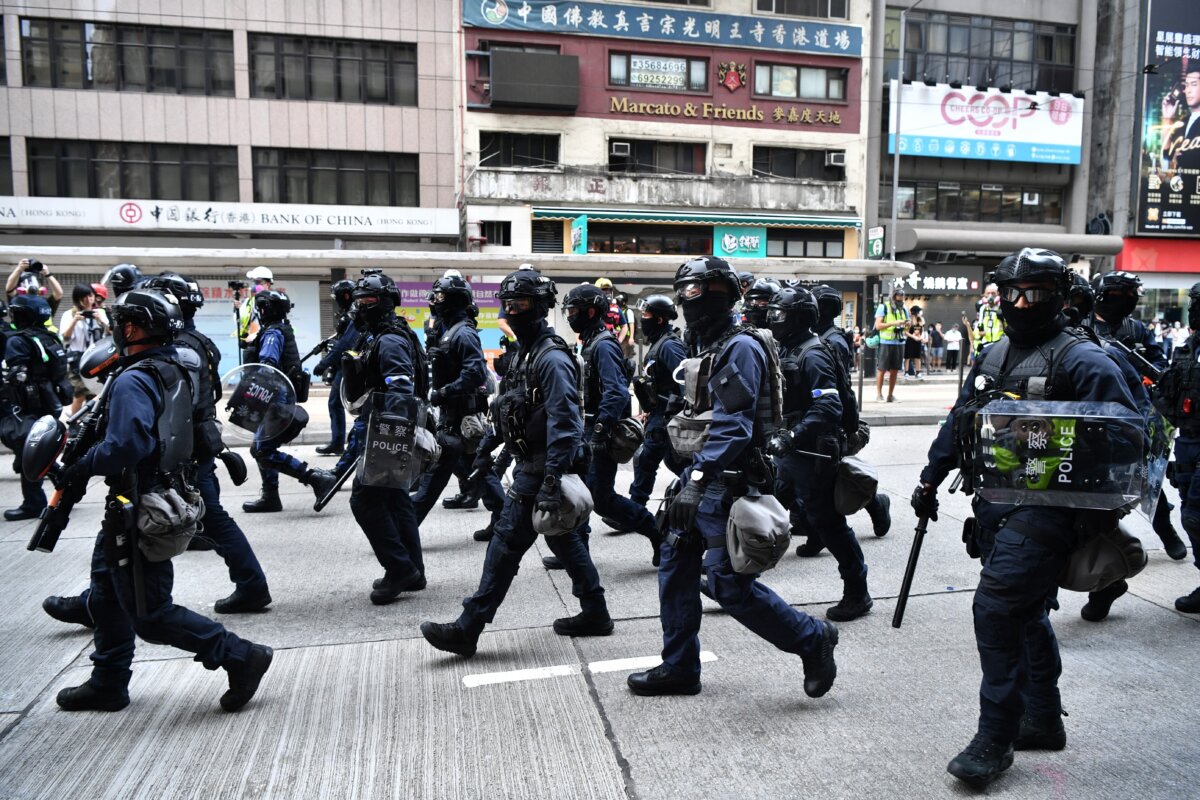
Those from Hong Kong who came to Canada through the Hong Kong pathways are among them. The program was introduced following Beijing’s crackdown under its draconian National Security Law.
This matters because of the backlog. For Hongkongers alone, the numbers tell the story. IRCC’s own figures, presented to Parliament on Oct. 29, showed 34,150 people waiting under the Hong Kong pathway, against 800 admissions planned for 2026. As of June 30, there were 30,315 applications covering 48,560 people. These are not numbers on paper. They are real people who are already here, already working, already paying taxes, already building lives—waiting years for processing.
I know many people caught in this backlog. One was a client from my years as a financial adviser. They have lived in Canada for more than 10 years. They are high-income earners. They have paid taxes throughout that time, yet they are still waiting for permanent residency.
One former client, a high-income investment banker who had lived in Canada for nearly a decade, was ultimately told to leave. They went to Thailand.
There is no reason someone who has lived here, worked here, and paid taxes here for more than a decade should still be waiting for permanent residency—or be told to leave.
Whether to apply for citizenship after getting permanent residency is a personal decision. That is up to each person. But you cannot make that decision if you can’t even get permanent residency in the first place. For many applicants, the gateway has effectively been blocked. The problem is that applicants do not know whether they will wait one year, three years, or 10 years. That uncertainty is what this new measure begins to address.
Let me be clear about what this is and what it is not. It is a one-time measure to clear the backlog—the government has said its goal is to clear all remaining Hong Kong pathway applications, together with some other similar backlogged applications, by the end of 2027. It is not a reopening of the pathway, which was closed to new applications on Aug. 31 this year.
Immigration Minister Lena Metlege Diab has confirmed the measure will provide space for up to 32,000 additional permanent resident admissions for Hong Kongers, over and above the targets in the plan. That 32,000 is the first concrete figure attached to this backlog. No timetable has been published, and there is no guarantee of approval for any individual applicant.
I am not going to pretend this solves everything, but it is a concrete response. That is the point. For years, the response to the backlog has been words—acknowledgements, expressions of concern, promises to look into it. This is different. This is 200,000 actual places for people who are already here. It is the government delivering outcomes, not just lip service.
Over the years, as a financial adviser and immigrant integration advocate, I have seen firsthand how prolonged processing delays affect families, careers, and long-term planning. I have spent years advocating for immigrant integration—for foreign credential recognition, for integration services that actually work, and for revamping the accreditation, government, education, and social-support systems that newcomers have to navigate.
The through-line is simple: if someone is here, contributing, paying taxes, and building a life, the system should work for them, not against them. A backlog that leaves people in limbo for years is the system working against them. And the warning not to leave is sound: integration only works when people stay and contribute. That is the same point I have made for years—newcomers’ skills should be recognized so they can contribute fully, rather than being forced to start from zero or leave Canada altogether.
So yes, this substantively useful move by the government is welcome. It is one measure, time-limited, and it doesn’t fix everything. But it is real, it is concrete, and it will change lives.
After years of waiting, that counts for something. It counts for a lot.
Views expressed in this article are the opinions of the author and do not necessarily reflect the views of The Epoch Times.